
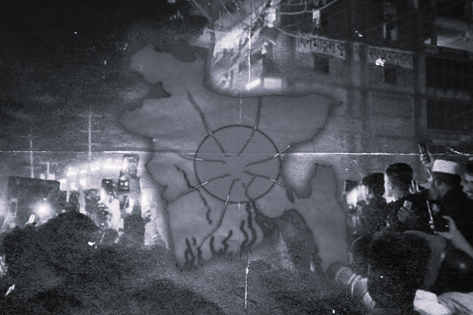
Minorities under siege? Questions rise over reported attacks in Bangladesh
A recent disclosure in India’s Parliament that roughly 3,100 incidents of violence against Hindus and other minorities occurred in Bangladesh between August 2024 and February 2026 has sparked serious concern about minority safety in the neighbouring country. The data, presented by the Ministry of External Affairs, was attributed to “human rights organisations,” though no specific groups or methodology were publicly detailed, a gap that has prompted questions about verification, transparency, and the true scale of the crisis .
Even with uncertainties surrounding the source, the sheer number of reported incidents suggests a troubling pattern. Attacks allegedly targeted homes, businesses, and places of worship , with reports of killings and arson . If accurate, such acts would represent not only communal violence but also a grave violation of internationally recognised human rights principles, including freedom of religion, equality before the law, and the right to life and security .
The issue carries particular sensitivity for India, which shares a long and porous border with Bangladesh and deep historical, cultural, and demographic ties. Instability affecting minorities across the border can have humanitarian, diplomatic, and security implications , including displacement pressures and cross-border tensions.
India has stated that it has repeatedly raised minority safety with Bangladeshi authorities and expects thorough investigations and accountability . However, the responsibility for protecting all citizens ultimately rests with the government of Bangladesh. Rights groups argue that beyond reactive policing, sustained legal protection, swift prosecution of offenders , and community reconciliation efforts are essential to prevent recurring violence.
Without transparent, independently verifiable data, the full picture remains contested. Yet the allegations alone underscore a broader concern: when minorities in any country face persistent insecurity, it challenges the region’s commitment to pluralism, rule of law, and fundamental human dignity .
If substantiated, the reported violence would not be an isolated domestic issue but a regional human rights concern demanding sustained international attention.