
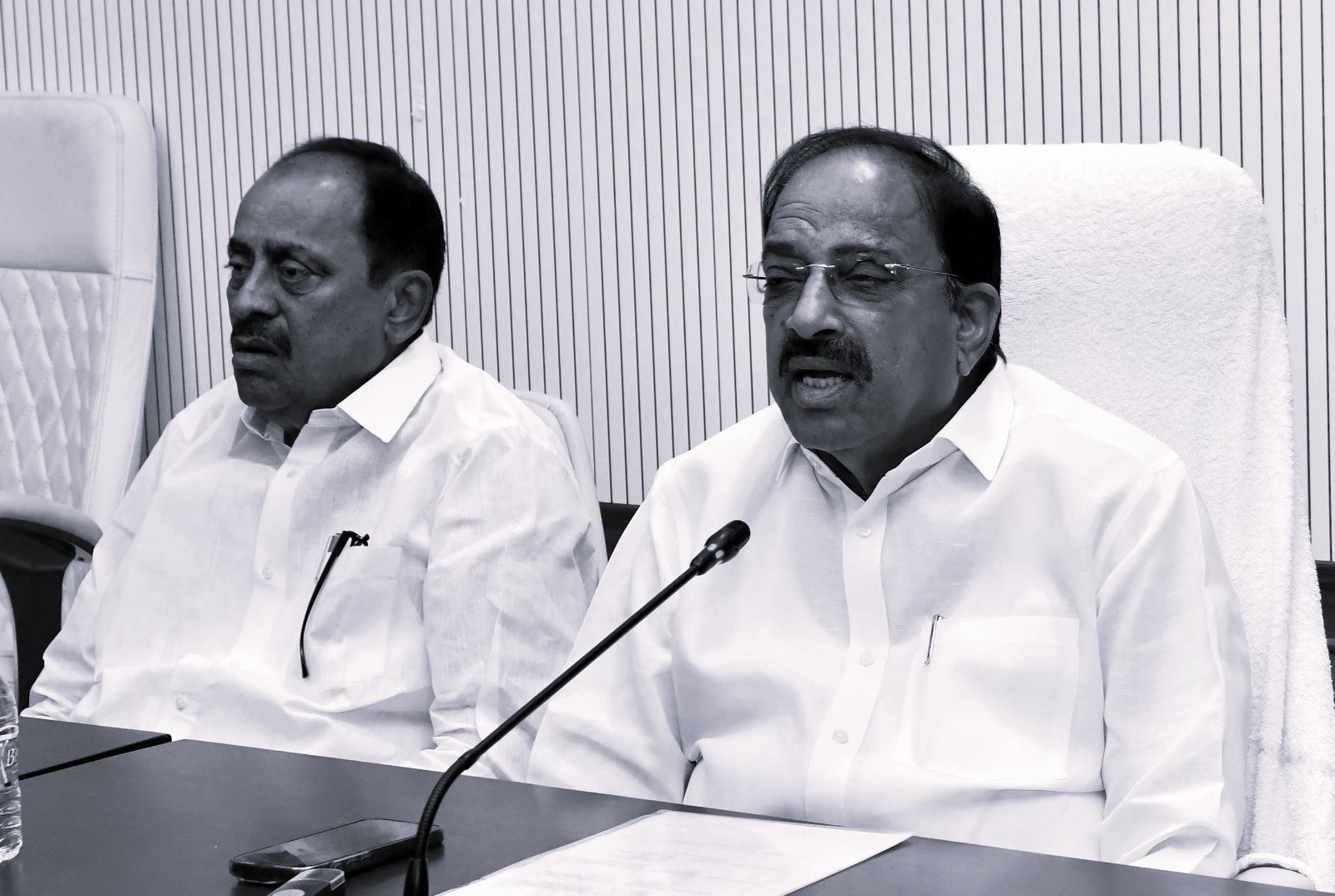
Minister Tummala Nageswara Rao Urges Farmers to Reduce Urea Use
Every Tuesday, a quiet digital bridge connects Telangana’s farmers with policymakers, and this week’s Rythu Nestham session carried a strong message about the future of agriculture. From Hyderabad, Agriculture Minister Tummala Nageswara Rao interacted with farmers across districts through a video conference , turning the programme into a real-time platform for guidance and feedback. What stood out was the growing role of technology-driven agriculture , as farmers shared how a urea app has replaced long queues with doorstep convenience, saving both time and effort.
However, the discussion quickly shifted to a more serious concern the excessive use of urea in Telangana. The minister warned that overdependence on nitrogen-based fertilizers is harming soil health , weakening crops, and increasing vulnerability to pest attacks . Experts have found that many farmers apply far more urea than recommended, assuming it boosts productivity, when in reality it leads to declining crop yields and rising input costs. He stressed the need for balanced fertilization , encouraging the use of alternative nutrients, nano urea , and sustainable practices to restore soil strength and ensure long-term productivity.
With the harvesting season underway, the issue of crop residue burning also came into focus. The minister cautioned that burning farm waste contributes to air pollution , destroys beneficial soil organisms, and reduces fertility over time. Instead, farmers were advised to adopt eco-friendly methods of residue management. At the same time, he promoted crop diversification, particularly oil palm cultivation , which offers the potential for stable income compared to traditional crops like paddy, cotton, and maize.
As the session concluded, officials were directed to expand farmer participation and ensure timely support through Rythu Nestham. The broader vision is clear Telangana is gradually shifting toward a sustainable agriculture model that balances productivity with environmental responsibility, driven by informed decisions, innovation, and continuous farmer engagement.