
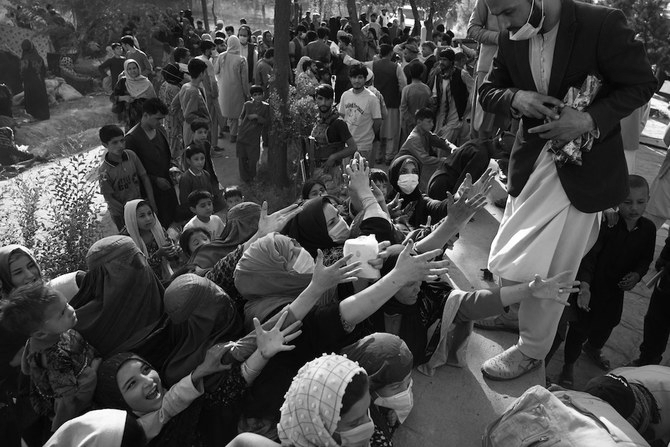
Millions of Afghans face deepening hunger as aid cuts worsen humanitarian crisis
Millions of Afghans are facing unprecedented hunger and hardship as severe cuts to international aid, economic collapse, natural disasters, and social restrictions converge to create one of the country’s gravest humanitarian crises in years.
For families like that of Rahimullah, a 29-year-old former soldier, daily survival has become a struggle. Selling socks in eastern Kabul for $4.5 to $6 a day, he struggles to feed his wife and three children. “Now I don’t have enough money even for flour, oil, rent, or electricity,” he said. His wife, once a teacher, is unemployed due to Taliban restrictions on women working. Rising rents, fuel costs, and scarce food have intensified the pressure on millions of families like his.
The World Food Programme (WFP) warns that over 17 million people are now facing crisis-level hunger , three million more than last year. Only about 1 million of the most vulnerable received food aid in 2025 , down sharply from 5.6 million in the previous year, reflecting severe cuts in donor funding. Major contributors to humanitarian aid include the United States, European Union and its member countries (Germany, UK, Sweden), Japan, Canada, Turkey, Qatar, and UN agencies such as WFP, UNICEF, and the International Committee of the Red Cross (ICRC). While these donors continue emergency support, recent funding shortfalls have left millions without lifelines.
The crisis is compounded by multiple shocks. Afghanistan has suffered recurring droughts, two deadly earthquakes, and the return of 7.1 million refugees over the past four years, which has strained housing, jobs, and local resources. In northern Badakhshan, families like Sherin Gul’s, with 12 members, rely on sporadic work and neighborly help, often going to bed hungry during harsh winters.
UN officials warn that 22 million Afghans will need assistance in 2026 , but with funding shortfalls, agencies may focus only on 3.9 million in urgent need , leaving millions at risk. Experts say continued low aid levels could trigger widespread malnutrition, disease outbreaks, displacement, and further economic collapse. Children, women, and the elderly are especially vulnerable, while restrictions on women’s work and girls’ education threaten long-term generational poverty.
“The situation is dire. If aid does not increase, we risk a humanitarian catastrophe, with millions unable to survive harsh winters or access basic food and health services,” said Tom Fletcher, UN humanitarian chief.
As Afghanistan enters 2026, millions face the grim prospect of starvation, illness, and displacement , highlighting the urgent need for renewed international support amid a deepening humanitarian crisis.