
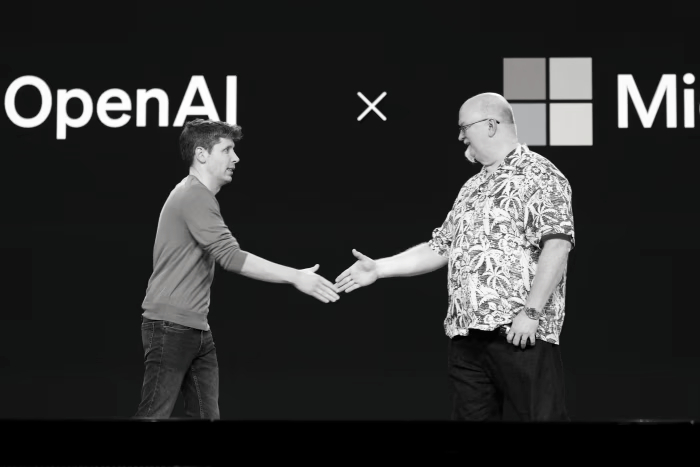
Microsoft frees OpenAI, eyes solo AI ambitions
In a move shaking the tech world, Microsoft and OpenAI have announced a new agreement that redefines their partnership, giving OpenAI the flexibility to operate more independently. This shift could see OpenAI transform into a for-profit company, raising capital freely and potentially listing publicly,a major step for a startup that has been at the forefront of AI innovation for years.
OpenAI, which revolutionized AI with tools like ChatGPT, had been closely backed by Microsoft since 2019. The software giant first invested $1 billion, followed by a $10 billion boost in 2023, gaining priority access to OpenAI’s advanced models and exclusive marketing rights via Azure. But the relationship has evolved. OpenAI is now expanding its infrastructure with Project Stargate and signing long-term cloud deals with Oracle and Google, reducing dependency on Microsoft.
This strategic realignment allows OpenAI to tap into a broader ecosystem of computing power, crucial as the company scales to meet growing demand for AI applications. By converting to a for-profit entity, OpenAI can attract investment on Wall Street terms, fueling research and development of more sophisticated AI models. However, the change still requires approval from regulators in California and Delaware, with a year-end deadline looming.
Microsoft isn’t stepping back. While OpenAI gains independence, Microsoft is simultaneously developing its own AI models, aiming to compete while retaining guaranteed access to OpenAI technology. The company’s goal is clear: continue its leadership in enterprise and consumer AI without being dependent on any single partner.
The restructuring also highlights OpenAI’s unusual governance. Its nonprofit arm still oversees key decisions and stands to receive a substantial share,over $100 billion,if the for-profit conversion reaches the projected $500 billion valuation. This creates a unique blend of profit-driven innovation and nonprofit oversight in the AI sector.
Analysts say this separation signals a high-stakes era for AI competition. Microsoft wants to be a dominant force with its own models, OpenAI is pushing forward with aggressive expansion, and new players like Oracle and Google are joining the fray. The result: a global AI race that will shape not just technology, but business models, regulations, and even societal adoption of AI tools.
In short, the Microsoft-OpenAI story is no longer just about collaboration,it’s about strategic independence, competition, and the next wave of AI innovation. Both companies are positioning themselves to define the future of artificial intelligence, with billions in investment, powerful infrastructure, and a growing global appetite for AI solutions.