
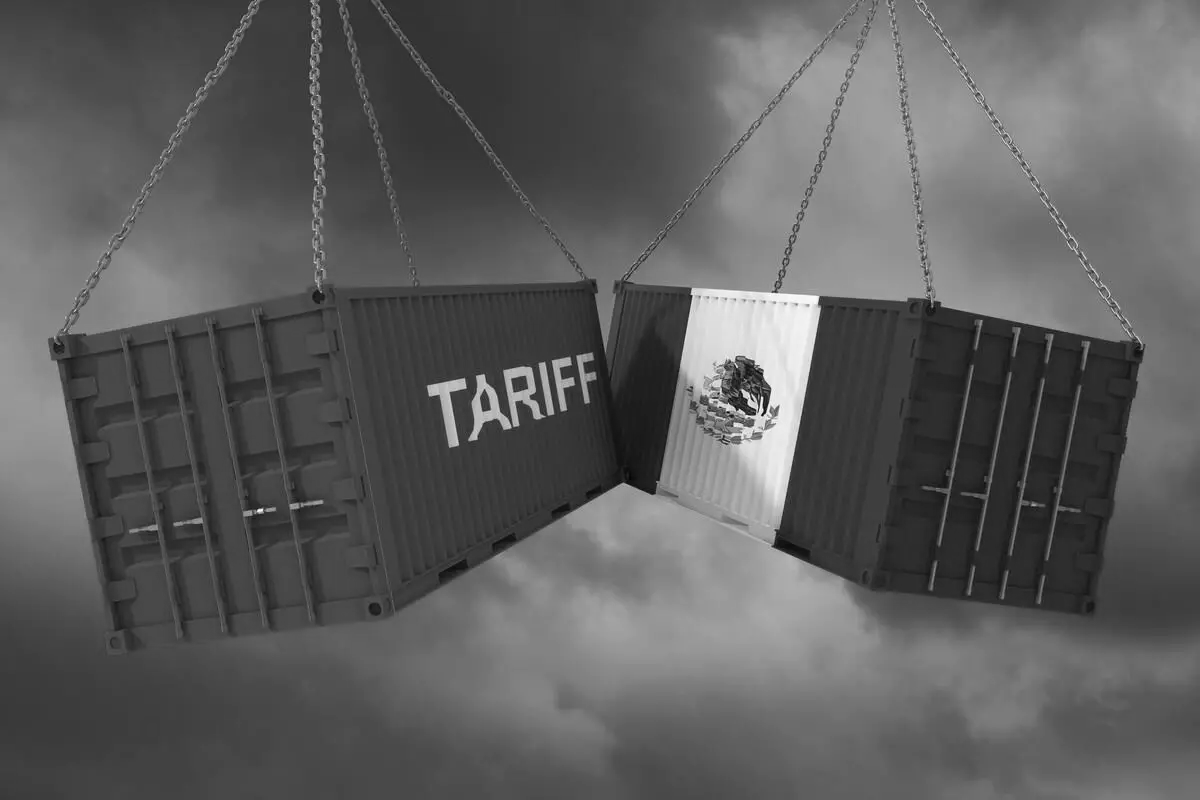
Mexico’s 50 percent tariff shock to hit 75 percent of India’s exports to Mexico from 2026
Mexico’s decision to sharply raise import tariffs by up to 50 percent on countries that do not have a free trade agreement with it is set to hurt Indian exports in a major way from January 1, 2026 . The move does not target India alone, the higher duties also apply to China, South Korea, Thailand and Indonesia , meaning all these countries will face the same steep tariff hikes. But India will feel one of the biggest impacts because of its strong export presence in Mexico.
India currently enjoys a USD 1.6 billion trade surplus with Mexico, which means India exports much more to Mexico than it imports. However, this advantage is now at risk. Mexico is raising tariffs from the existing 0-15 percent range to 25-50 percent on most products coming from non-FTA countries. According to the Global Trade Research Initiative (GTRI), nearly 75 percent of India’s USD 5.75 billion exports to Mexico will be hit by these higher duties.
The biggest damage will be in the automobile and two wheeler sector, which has been one of India’s strongest export segments to Mexico. Passenger vehicles, auto components and motorcycles , which once enjoyed strong demand, will now face a 35 percent tariff , making them much costlier. Motorcycles, a major Indian success story in Mexico, could see exports fall by 40-50 percent next year.
Other important sectors will also face serious challenges. Smartphones , which earlier entered Mexico at 0 percent duty , will now be taxed at 35 percent , making them almost uncompetitive. Steel , especially flat steel products, will be hit the hardest with a 50 percent tariff , likely shutting Indian steel out of the Mexican market. Industrial machinery, garments, textiles and ceramics will now attract duties between 25 and 35 percent , reducing India’s price advantage across these sectors.
Only pharmaceuticals remain relatively unaffected, with tariffs rising only slightly from 0-5 percent to 0-10 percent. This means Mexico will continue to be a fairly stable market for Indian generic medicines.
Mexico’s move comes just months after the United States increased tariffs on several Indian goods, and analysts see this as part of a bigger push by North American nations to protect their own industries and strengthen regional supply chains through “near-shoring”.
Since India imports only about USD 2.9 billion worth of goods from Mexico, New Delhi has very limited scope to retaliate. Instead, India is expected to focus on finding new markets and adjusting its export strategies as more countries around the world adopt protectionist trade policies.
For India, the tariff hike marks a serious setback. A market that once supported strong growth, especially for autos, two wheelers, smartphones, machinery and steel, is now becoming far more difficult to access, potentially costing billions in future export earnings.