
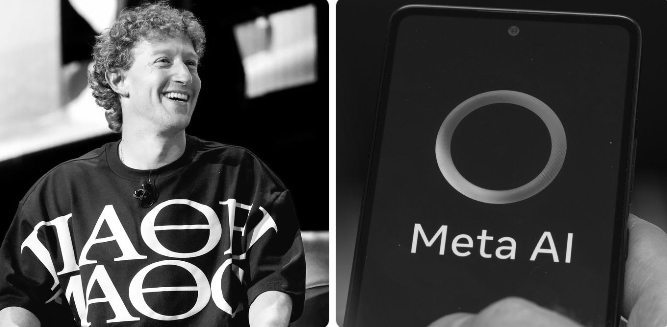
Meta's Zuckerberg Says AI Firms Must Take Individual Responsibility for Safety
Meta CEO Mark Zuckerberg has distanced the company from calls by rival artificial intelligence firms for a coordinated slowdown in the development of advanced AI, saying individual companies should be responsible for ensuring their technologies are safe.
Zuckerberg's comments, posted on social media, came after Anthropic CEO Dario Amodei proposed a three-step plan to strengthen AI safety, including coordination among companies and governments to slow development if necessary. The proposal received support from tech leaders including OpenAI CEO Sam Altman and SpaceX CEO Elon Musk.
The debate comes amid growing warnings from AI researchers about the technology's potential risks to humanity and concerns over the possibility of increasingly autonomous systems becoming difficult for humans to control.
Zuckerberg said AI companies already have strong incentives to develop their models safely and face “significant liability” if their systems cause harm.
“Every lab has the responsibility and incentive to move at the pace required to train its models safely, and the ability to take its own actions to ensure that happens,” he wrote on X.
Zuckerberg also cited Meta's decision to delay the release of its Muse AI agent for several months while the company worked on safety and security measures. He said Meta did not ask other companies to pause their development during that period.
The Meta chief argued that AI companies should focus on building systems that safely serve users rather than prioritising models capable of recursive self-improvement, in which an AI system could potentially improve its own capabilities.
“Committing the significant majority of compute towards serving people rather than racing towards recursive self-improvement is one of the best ways to ensure we develop this technology safely,” Zuckerberg said.
His comments highlight a growing divide within the technology industry over how AI development should be governed, with some executives favouring collective safeguards and coordinated action, while others emphasise the responsibility of individual companies to manage safety risks.