
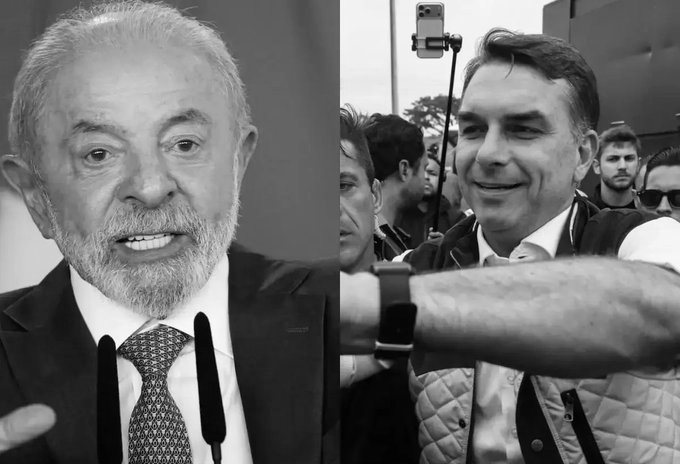
Meta Denies Anti-Lula Bias After Brazil Court Orders Equal Treatment In Election Runoff
Meta has denied accusations of political bias in Brazil’s presidential election campaign after the country’s electoral court ordered the technology giant to ensure equal treatment for incumbent Luiz Inacio Lula da Silva and opposition candidate Flavio Bolsonaro ahead of their October 25 runoff.
Lula’s campaign filed a lawsuit alleging that Meta, which owns Facebook, Instagram and WhatsApp, used biased algorithms and artificial intelligence (AI) restrictions to favour Bolsonaro. The company attributed the reported problems to technical glitches, anti-fraud measures and regulatory compliance, denying deliberate political interference.
Meta said two global disruptions earlier in October affected its platforms. One froze Instagram Reels view counts in more than 100 countries without disrupting content distribution, while another temporarily affected advertisement creation from existing Instagram posts.
Regarding Meta AI, the company said a loophole involving generic first names and electoral numbers briefly prevented some users from generating images of Lula while allowing images of Bolsonaro for an additional day.
However, Meta did not explain why Bolsonaro’s Instagram and WhatsApp channels received algorithmic recommendations, a practice Brazil’s electoral court ruled illegal.
“Brazilian voters deserve facts, not a political narrative constructed by combining unrelated technical issues,” Meta said, insisting its rules applied equally to all candidates. It added that it would comply with electoral legislation, correct errors and continue defending itself against the lawsuit.
On Friday, Brazilian newspaper Folha de S. Paulo reported, citing leaked internal communications, that Meta employees acknowledged Lula’s campaign accounts faced restrictions on boosting certain posts because of technical glitches and algorithmic limitations. Engineers reportedly attributed the problems to system failures and automated errors.
The dispute comes amid Lula’s efforts to regulate Big Tech. Since taking office in 2023, his administration has introduced online protections for women and minors and pursued greater platform accountability. Google, Meta and TikTok have also faced requirements to monitor and remove hate speech, racism and incitement to violence in Brazil. The approach has drawn criticism over potential threats to free speech and strained relations with the Trump administration.
Separately, a study by researchers at the Federal University of Rio de Janeiro found that Meta allowed at least 1,613 irregular political advertisements between July and September. The ads generated 171 million views and approximately 2 million reais (USD 400,000) in revenue, primarily from US-funded campaigns.
Communication professor Marie Santini said Brazilian law prohibits entities other than political parties, candidates or coalitions from purchasing electoral advertisements, raising further questions about political advertising and platform accountability.