
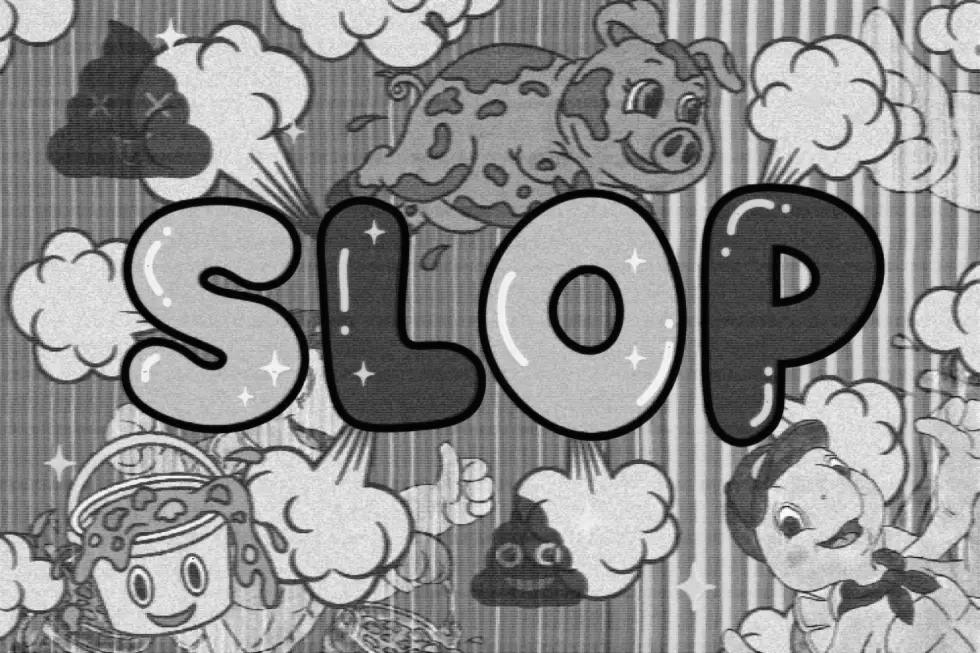
Merriam-Webster names “Slop” as 2025 word of the year, reflecting rise of AI-Generated content
Creepy, zany, and often fake digital content is increasingly being called “slop” , a term Merriam-Webster has selected as its 2025 Word of the Year . The word’s rise reflects the growing prevalence of low-quality, AI-generated content online , from absurd videos and manipulated images to cheesy AI-written books and fake news.
“ It’s such an illustrative word ,” said Greg Barlow, Merriam-Webster’s president. “It’s part of a transformative technology, AI, and it’s something that people have found fascinating, annoying, and a little bit ridiculous.”
From Mud to Digital Chaos
Originally used in the 1700s to mean soft mud , “slop” evolved over time to describe something of little value. Today, it broadly refers to digital content of low quality produced in quantity by artificial intelligence , including manipulated media that can mislead audiences or spread misinformation.
AI tools such as video generators allow users to create realistic clips from text prompts, but their rapid proliferation has raised concerns about deepfakes, copyright violations, and political misuse. In one notable example, U.S. Defence Secretary Pete Hegseth posted a manipulated image of a character from the children’s show Franklin as a grenade-wielding fighter to defend military actions, highlighting the ethical and political challenges of AI content.
Cultural and Editorial Significance
The term “slop” evokes unpleasant imagery , like mud-caked pigs or a steaming, fetid stew, symbolising the chaotic and nonsensical nature of much AI-generated content. Yet, Barlow sees hope in the spike in searches for the word: “People want things that are real and genuine . Sometimes AI actually doesn’t seem so intelligent.”
Merriam-Webster has selected a Word of the Year annually since 2003 to capture the cultural, social, or technological mood of that period. Words are chosen based on search trends, usage data, and editorial consensus , with emphasis on reflecting societal significance rather than mere frequency. Past Words of the Year include “polarisation” (2024), “gaslighting” (2023), “goblin mode” (2022), and “pandemic” (2020 and 2021) .
“Words like ‘ubiquitous’ or ‘albeit’ are always looked up, but they don’t reflect the unique context of the year,” Barlow said. “We aim to act as a mirror for society .”
The latest Merriam-Webster edition added over 5,000 new words, marking one of the most comprehensive updates to the dictionary in recent years. With “slop,” the dictionary highlights how AI and digital culture are shaping language and society, offering both a warning about low-quality content and a reminder of the enduring value of genuine human creativity.