
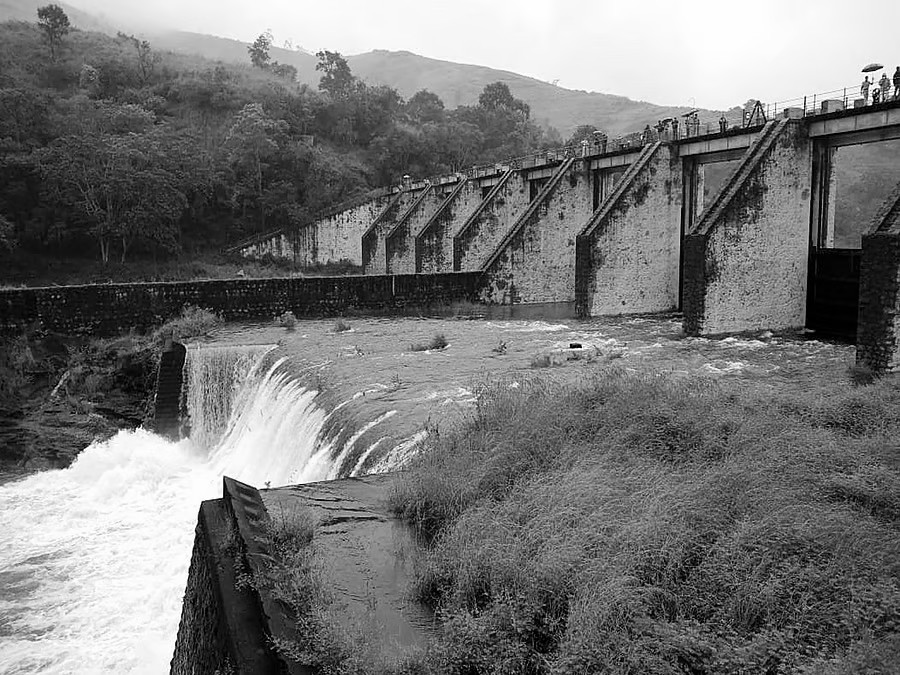
Mekedatu Dam Row: How Karnataka’s Project Could Impact Cauvery Flows, Forests and Tamil Nadu
The Mekedatu reservoir on the Cauvery has triggered a dispute over water security and environmental consequences, with Tamil Nadu and PMK warning over downstream flows, forests and wildlife.
The Cauvery originates at Talakaveri in Karnataka’s Kodagu district and flows through Karnataka and Tamil Nadu before entering Puducherry and eventually draining into the Bay of Bengal. The river is one of the most important interstate water systems in southern India, with its waters shared primarily by Karnataka and Tamil Nadu, besides Kerala and Puducherry.
Under the 2018 Supreme Court judgment and the Cauvery Water Disputes Tribunal framework, Karnataka was allocated 284.75 TMC of Cauvery water, while Tamil Nadu was allocated 404.25 TMC. Kerala was allocated 30 TMC and Puducherry 7 TMC. The arrangement also requires Karnataka to ensure the stipulated releases to Tamil Nadu at Biligundulu.
In terms of the Cauvery basin's catchment area, Karnataka accounts for about 42 per cent, Tamil Nadu around 54 per cent, Kerala about 4 per cent and Puducherry less than 1 per cent, according to commonly cited basin estimates. Despite having a smaller share of the basin's catchment than Tamil Nadu, Karnataka is the upstream state and controls several major reservoirs on the river and its tributaries.
The sharing of Cauvery waters has been the subject of disputes for decades. The conflict intensified between Karnataka and Tamil Nadu over reservoir operations, water releases and allocations, eventually leading to the Cauvery Water Disputes Tribunal, constituted in 1990. The Tribunal delivered its final award in 2007, and the Supreme Court modified the allocation in its 2018 judgment. The Cauvery Water Management Authority was subsequently established to implement the water-sharing arrangements.
Karnataka describes Mekedatu as a balancing reservoir intended to meet Bengaluru’s drinking-water needs, with hydropower generation envisaged. The total storage is about 67 TMC. Karnataka maintains that the project will not diminish Tamil Nadu’s protected Cauvery share. A revised Detailed Project Report was submitted to the Centre in August, after the Central Water Commission said the earlier DPR could no longer be processed because the project had substantially changed.
Tamil Nadu’s concern is downstream flow regulation. A large reservoir could allow Karnataka to store and regulate water before it reaches the interstate border. Tamil Nadu fears this could affect the timing of releases to Biligundulu, particularly during lean or drought years, and influence supplies to the Mettur reservoir and Cauvery delta. The Supreme Court has made clear that Karnataka remains bound by the Cauvery-sharing framework; preparation of a DPR is not construction approval.
The environmental stakes are significant. Earlier assessments estimated that the project could submerge thousands of hectares, including areas of forest within the Cauvery Wildlife Sanctuary. Habitat loss could affect elephants, giant squirrels, otters, fish and other species, while inundation and construction could fragment wildlife corridors and alter river ecology. Older estimates cited more than 7,800 acres of sanctuary land and over 4,500 acres of adjoining reserve forest, though the footprint may change.
PMK president Anbumani Ramadoss has warned that a larger submerged area could intensify risks and, in an extreme dam-failure scenario, cause severe downstream flooding in Tamil Nadu. Such catastrophic flooding remains a hypothetical risk, not an established outcome; its scale would depend on final engineering, reservoir operations and emergency plans.
Ultimately, Mekedatu’s impact will depend on its final design, operating rules and environmental assessments. The key questions are whether downstream Cauvery flows remain protected and whether forest and wildlife losses can be justified and mitigated.