
Meira Kumar Presides Over CEC’s ‘Public Impeachment’ From Nehru’s Former Chair
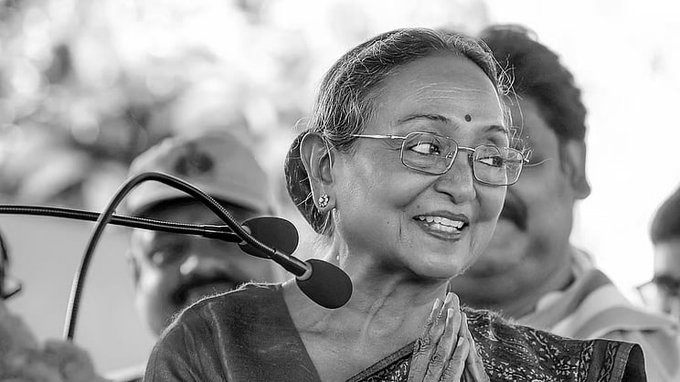
Former Lok Sabha Speaker Meira Kumar presided over the INDIA bloc’s symbolic “public impeachment” of Chief Election Commissioner Gyanesh Kumar on Saturday while seated on a chair that Congress leader Pawan Khera said was once used by India’s first prime minister, Jawaharlal Nehru.
Khera, head of the Congress media and publicity department, shared the historical detail on social media platform X, saying the chair had remained Nehru’s seat throughout his tenure as prime minister.
The chair, he said, had witnessed some of the most consequential decisions in the country’s history and carried the weight of that legacy.
Invoking Nehru’s legacy, Meira Kumar pronounced the CEC unfit to continue in office during the symbolic proceedings, Khera said. He also claimed that Gyanesh Kumar had been rejected by the people and that his departure was only a matter of time.
The INDIA bloc organised the unprecedented symbolic exercise to protest what it alleged were deliberate deletions of voters’ names to influence election outcomes. Opposition leaders demanded that the CEC be tried in court for treason and jailed.
The event brought together opposition MPs, political leaders and civil society members at 10, Rajaji Marg, the New Delhi residence of Congress president Mallikarjun Kharge. The proceedings were organised in a setting resembling a parliamentary session, culminating in the passage of a resolution seeking to “impeach” the CEC.
Kharge, who moved the motion, alleged that citizens’ voting rights were under threat because the Election Commission was functioning at the behest of Prime Minister Narendra Modi and Union Home Minister Amit Shah.
Leader of Opposition in the Lok Sabha Rahul Gandhi described the symbolic impeachment as a “political weapon” aimed at those allegedly involved in undermining the votes of Indian citizens.
The exercise was a political protest by the opposition, rather than a formal constitutional impeachment or removal proceeding against the Chief Election Commissioner.