
Meghalaya Illegal Coal Mine Blast Kills 18, Rat-Hole Mine Explosion Under Probe
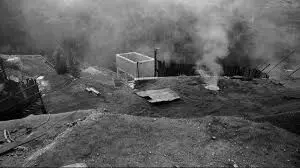
An explosion at a suspected illegal coal mine in the East Jaintia Hills has left 18 people dead and prompted an intensified rescue and criminal inquiry, officials said on Thursday. The blast occurred in the Thangskai/Thangsku area , where small underground “rat-hole” workings remain active despite long-standing legal restrictions.
East Jaintia Hills Superintendent of Police Vikash Kumar told reporters that the explosion happened during coal-extraction activity early in the morning and that teams recovered multiple bodies as rescue personnel cleared debris and stabilised compromised tunnels. One injured worker was taken to a local primary health centre and later referred to Shillong for advanced treatment. The exact number of people inside the workings when the blast occurred remains under verification.
State disaster and police teams, supported by specialised units, mounted search-and-rescue operations at the scene. Officials said narrow, unstable tunnels and smoke made entry hazardous; teams worked to ventilate passages and shore up weakened sections before deeper searches. Local administration sources warned the toll could change as operations proceed.
Meghalaya Chief Minister Conrad K. Sangma expressed grief and announced a comprehensive inquiry, saying accountability would be fixed and those responsible for operating illegal mines would face strict action. The Union government has also responded: the Prime Minister’s Office said the Centre will provide ex-gratia assistance to the next of kin and the injured.
Cause, legal context and inquiry
Preliminary statements from investigators indicate the blast likely occurred during extraction and that explosives may have been used; a formal probe has been ordered to determine the precise cause and to identify operators and transporters linked to the workings. The operation is described as an unpermitted “rat-hole” mine, a method of digging narrow horizontal tunnels that was banned in Meghalaya by the National Green Tribunal in 2014 and later restricted by the Supreme Court of India to scientific, regulated mining. Those directives bar such unscientific practices and the illegal movement of coal extracted by them.
Safety, enforcement and next steps
Under India’s mining framework, legally licensed mines must follow safety standards enforced by the Directorate General of Mines Safety including ventilation, structural supports, emergency plans, personal protective equipment and routine inspections. Illegal rat-hole workings operate outside that framework, lacking basic safeguards and emergency preparedness, which sharply raises the risk of explosions, collapses and flooding. After the blast, district authorities said they would step up patrolling, block known access routes used to move illicit coal, and intensify inspections to curb illegal operations. Police indicated criminal cases and seizures are likely as the probe advances.
Police and rescue teams said recovery and clearance operations will continue until every shaft and tunnel in the affected pocket is examined and all victims are accounted for. A detailed forensic and administrative inquiry is expected to follow, with possible arrests and asset-seizure orders if the investigation shows organised illegal mining and culpable negligence.