
Mega Waterfront Plan to Recast Mumbai as India’s Leading Maritime and Cruise Hub
The Union government has accelerated the redevelopment of Mumbai’s eastern seafront, reaffirming its commitment to the ₹22,672-crore Eastern Waterfront Transformation Plan following a recent review by Sarbananda Sonowal . The initiative, being implemented through the Mumbai Port Authority , aims to convert underutilised port lands into a global maritime, tourism and urban economic hub , marking a shift from decades of routine port maintenance spending toward integrated waterfront redevelopment.
Earlier investments at Mumbai Port focused mainly on operational needs such as dredging of navigational channels , berth repairs, shore protection and strengthening of offshore oil terminals at Jawahar Dweep. These works, funded through annual port capital expenditure, maintained cargo operations but did not significantly change the port-city interface. The present phase introduces a diversified investment model spanning maritime infrastructure, tourism, commercial development and public spaces, aligned with India’s long-term maritime growth vision.
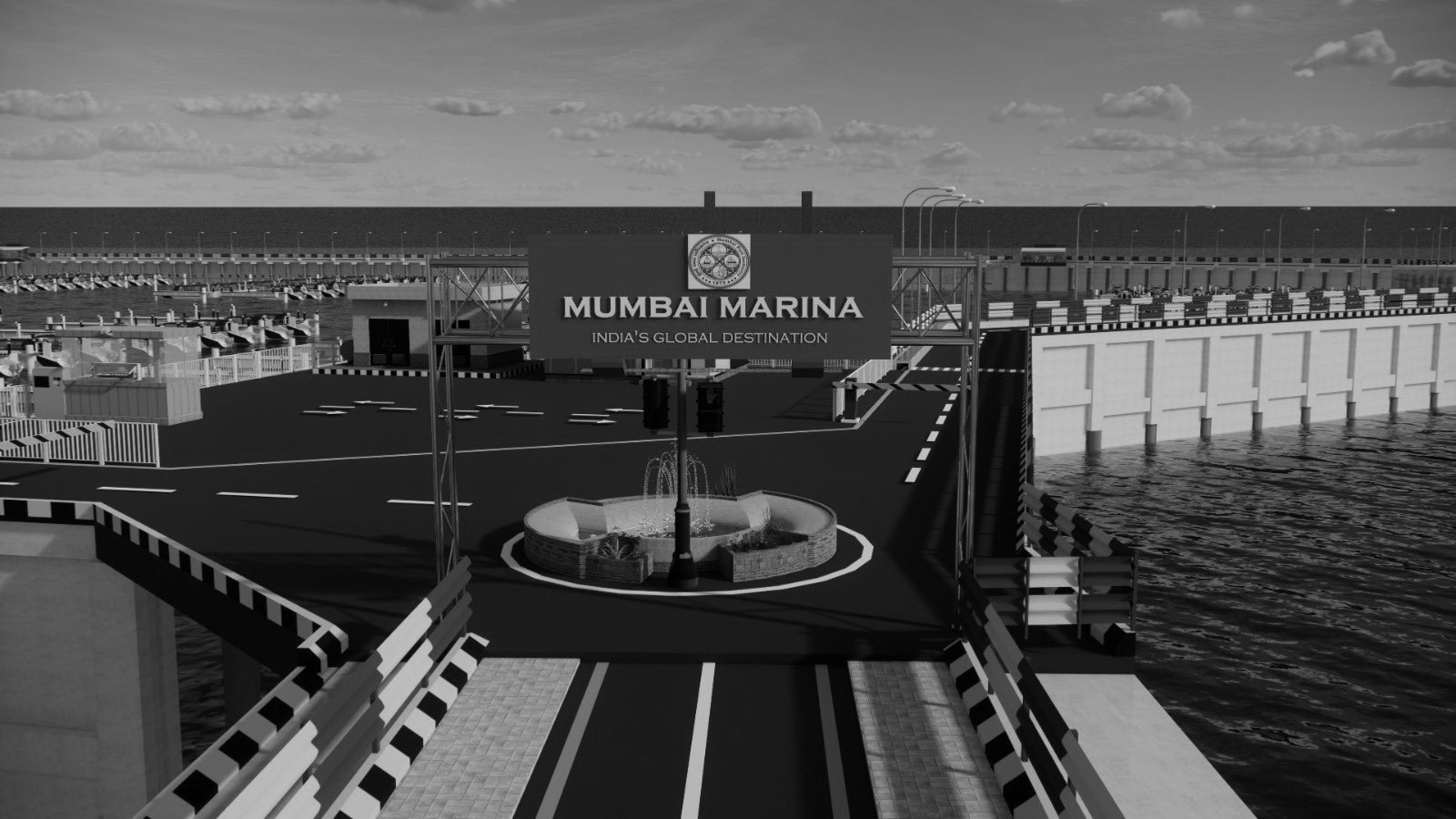
A key anchor project is the Viksit Bharat Mumbai Marina , envisioned as India’s first and largest world-class marina, with an investment of ₹887 crore under a hybrid EPC–PPP model . Complementing this is the Namo Bharat International Sailing School , which will promote structured sailing education and wider public access to water sports. The redevelopment also includes the Chhatrapati Shivaji Maharaj International Convention Centre at Princes’ Dock, proposed at ₹5,500 crore on a PPP basis, designed to function as a landmark MICE destination hosting national and international business events.
Passenger and cruise infrastructure are being strengthened through the RoPax Terminal , the Bhaucha Dhakka Glass House and Passenger Terminal, and activation of the Domestic Cruise Terminal as an event venue. Supporting traditional livelihoods, a ₹132-crore fish jetty at Mallet Bunder will increase fishing trawler capacity from about 300 to over 1,200 vessels while improving safety. The surrounding area will feature themed streets, open-air dining and public spaces, contributing to a 3.5-kilometre waterfront promenade for citizens and tourists.
Institutional upgrades form another component of the transformation. A new Mumbai Port Administrative Building is being constructed at an estimated ₹295 crore , alongside the Shivdurg Tower and a Central Government Office Complex at Cotton Green to modernise governance infrastructure.
Mumbai was chosen as the flagship project because its port estate lies within a dense metropolitan setting, offering exceptional commercial and tourism potential. As projects advance in phases aligned with national maritime goals, Mumbai’s eastern shoreline is expected to evolve into an integrated coastal district where trade, tourism and urban life converge.