
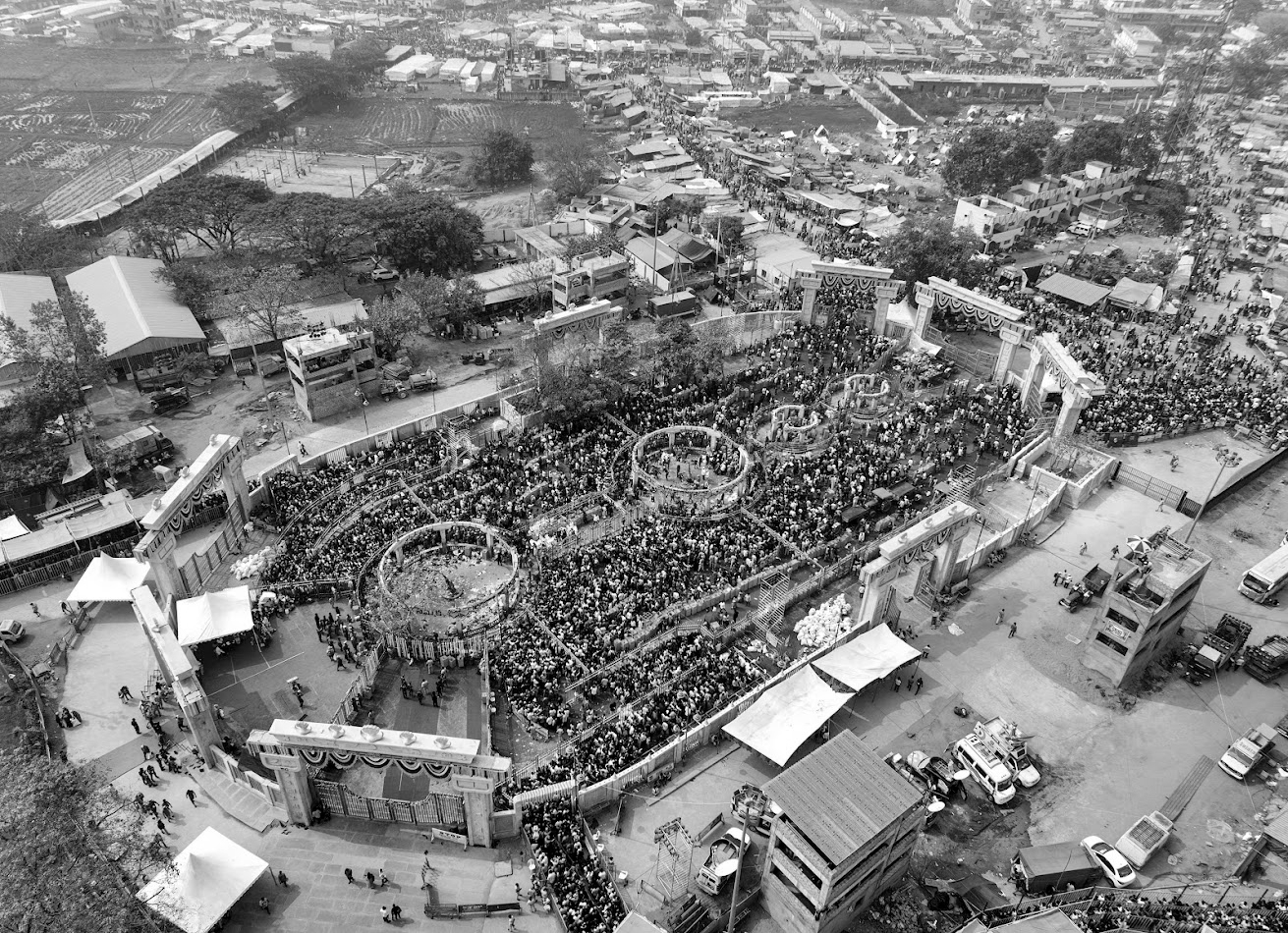
Medaram Turns Sea of Faith as Sammakka–Saralamma Maha Jatara Draws Unprecedented Rush
The Sammakka–Saralamma Maha Jatara at Medaram in Mulugu district has once again transformed the forest heartland of Telangana into a vast centre of devotion, culture, and tribal identity. Recognised as Asia’s largest tribal religious congregation , the biennial festival has witnessed an unprecedented influx of devotees this year, reaffirming its significance as one of the most important spiritual gatherings in the country. The Jatara, deeply rooted in indigenous traditions, symbolises the enduring bond between nature, faith, and the cultural heritage of tribal communities.
On the second day of the Jatara, the Medaram forest resonated with devotional chants, rhythmic drumbeats, and the trance rituals of Shivashaktulu . The sacred arrival of Sammakka and Saralamma from their forest shrines to the revered gaddelu marked a defining moment of the celebrations. As Sammakka emerged from Chilakalagutta, police personnel rendered ceremonial honours, reflecting the unique blend of tribal tradition and state protocol that characterises the festival. The gaddelu area, queue complexes, and the banks of Jampanna Vagu were packed beyond capacity, creating a powerful visual of faith flowing through the forest landscape.
Officials estimated that nearly 80 lakh devotees visited Medaram in a single day, with the total footfall expected to cross three crore by the end of the festival. Pilgrims arrived in large numbers not only from Telangana but also from neighbouring states such as Andhra Pradesh, Maharashtra, Chhattisgarh, Odisha, and Karnataka. Carrying jaggery, traditionally revered as bangaram , devotees fulfilled vows after taking holy dips in Jampanna Vagu, continuing rituals that have been passed down through generations.
The Sammakka–Saralamma Jatara holds deep historical and cultural importance for tribal communities, particularly the Koya tribe. According to oral traditions, Sammakka and her daughter Saralamma symbolised resistance against injustice and stood as protectors of tribal rights centuries ago. Over time, their legacy evolved into a mass spiritual movement, with the organised form of the Jatara taking shape in the mid-20th century. Today, the festival is widely regarded as a symbol of tribal self-respect, resilience, and cultural continuity , often compared in scale and significance to the Kumbh Mela.
Given the massive scale of the congregation, the Telangana government undertook extensive preparations months in advance. Temporary arrangements worth nearly ₹150 crore were made to ensure smooth conduct of the Jatara, while a long-term master plan exceeding ₹230 crore has been prepared for the permanent development of Medaram. Land acquisition for this purpose is underway, with 29 acres already secured and another 41 acres in progress. Permanent infrastructure including internal roads, cottages, function halls, sanitation facilities, bathing complexes, eco-parks, and tourism amenities is planned across nearly 70 acres.
To address water availability, the government is preparing a project to ensure year-round water flow in Jampanna Vagu by transporting water through pipelines from the Ramappa–Laknavaram reservoir system . In parallel, a ₹2,500-crore temple circuit project from Basar to Bhadrachalam along the Godavari basin has been launched, with Medaram identified as a key spiritual centre. The Jatara area has been divided into multiple zones and sectors, with over 40,000 personnel from various departments deployed for security, crowd management, health services, sanitation, and emergency response.
Transport and technology played a crucial role in managing pilgrim movement. Special trains and thousands of RTC buses were operated from major towns and railway stations, while digital platforms such as a dedicated website, mobile application, and WhatsApp chatbot provided real-time updates on facilities, routes, and emergency services. Medical camps, ambulances, bike ambulances, and missing-person assistance centres were established across the Jatara site, with sanitation teams working continuously to maintain hygiene.
The festival also witnessed visits by senior leaders and Union Ministers. Union Coal Minister G. Kishan Reddy and Union Tribal Affairs Minister Jual Oram offered prayers at Medaram and praised the scale and organisation of the Jatara. Telangana ministers, including Ponguleti Srinivasa Reddy , Danusari Anasuya (Seethakka) , and Adluri Laxman Kumar , personally supervised arrangements on the ground. Once again, the Telangana government urged the Centre to declare the Sammakka–Saralamma Maha Jatara a national festival , citing its unparalleled cultural and spiritual significance.
Despite challenges such as pressure on local resources and rising prices of essentials in surrounding areas, the Jatara has continued peacefully and smoothly. More than a religious gathering, the Sammakka–Saralamma Maha Jatara remains a living celebration of tribal heritage, collective devotion, and cultural pride. As millions gather in faith, Medaram stands as a powerful reminder of India’s rich indigenous traditions and the enduring spirit of its tribal communities.