
Mecca On Air Attack Alert: Why Has The Houthi-Saudi War Come So Close To Islam’s Holiest City?
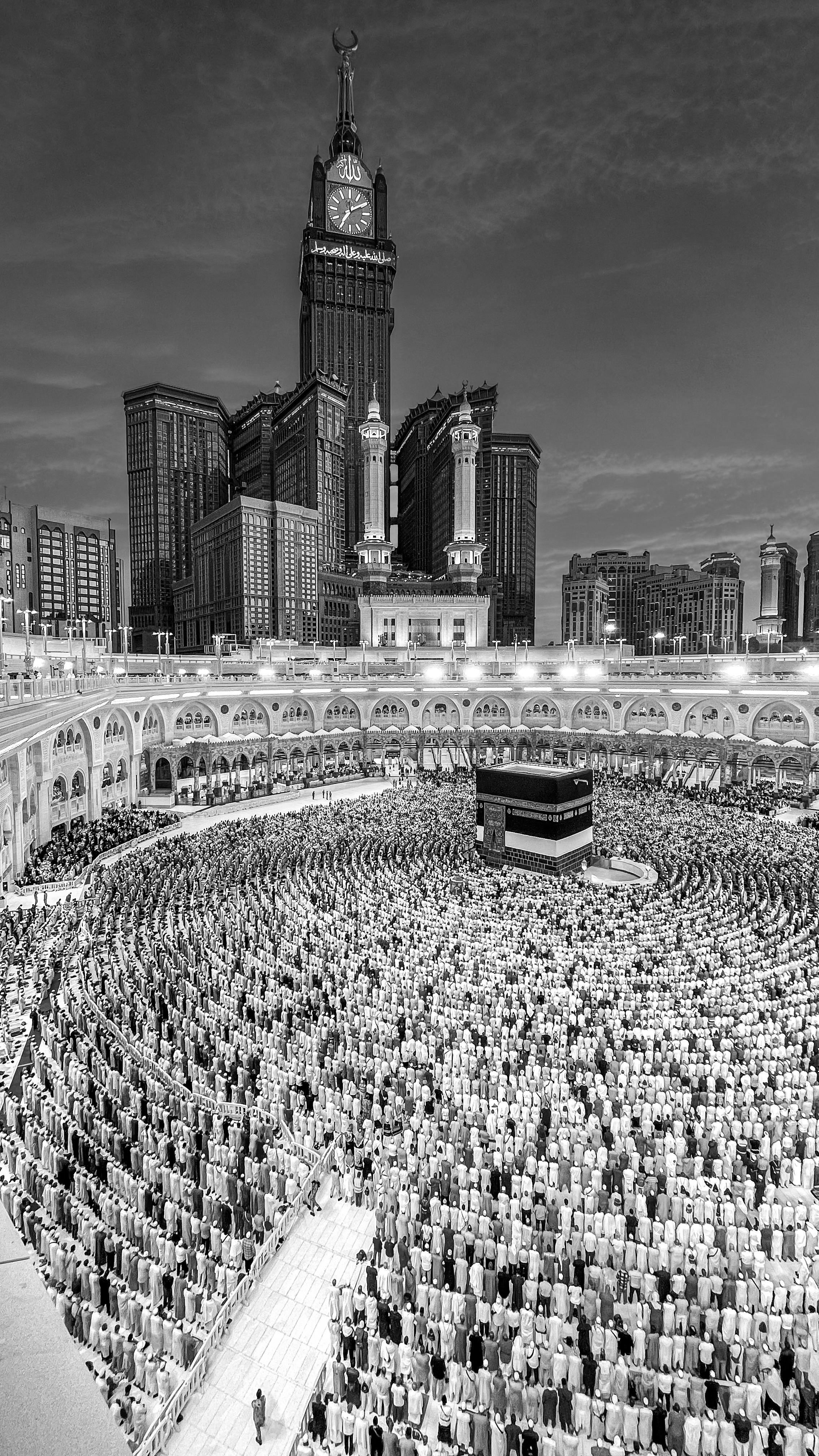
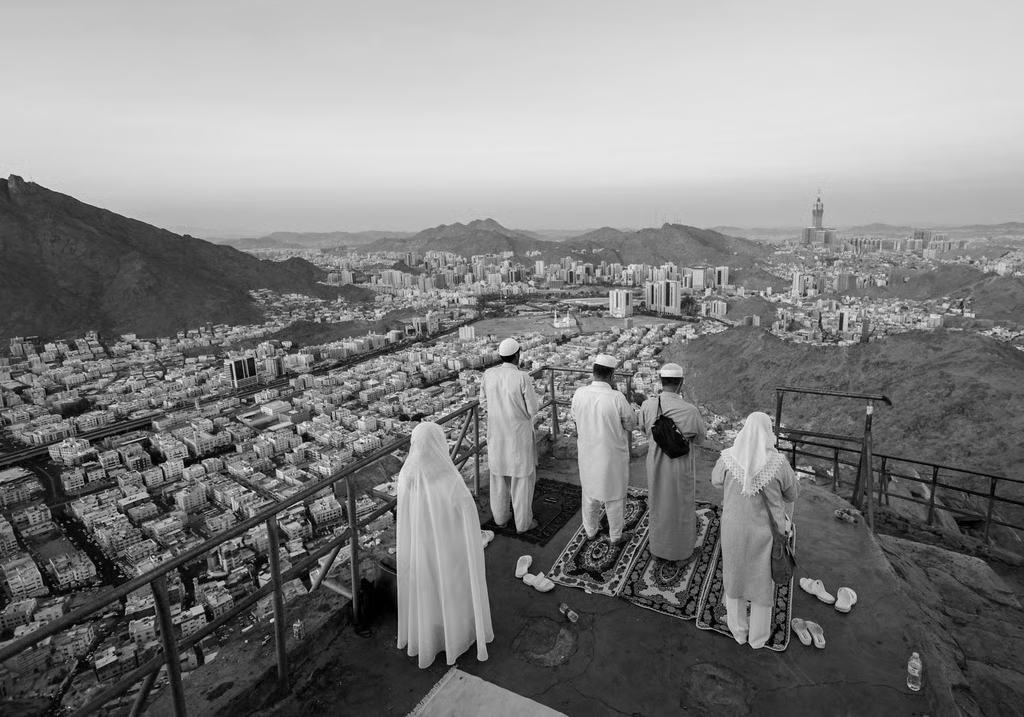
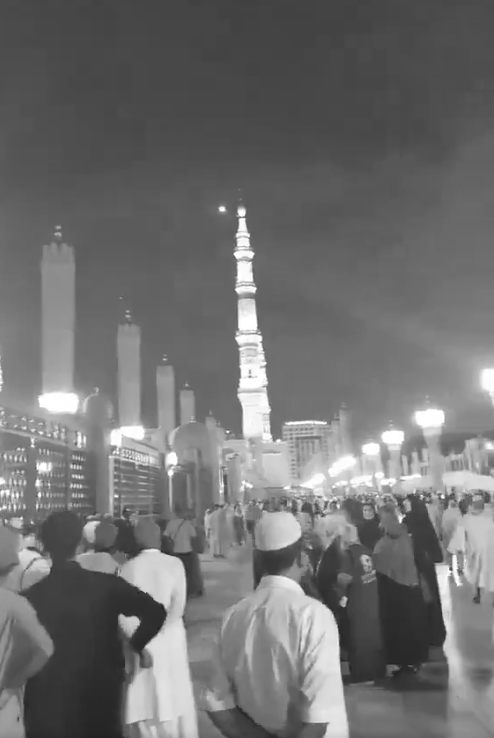
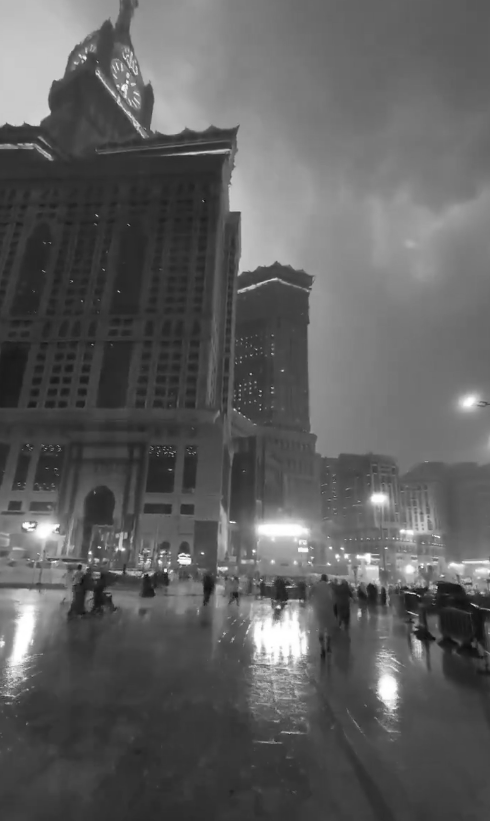
There are places where even the threat of war feels almost unthinkable. Mecca is one of them. For Muslims around the world, the Saudi city is not simply a city. It is the spiritual centre of Islam, home to the Grand Mosque and the Kaaba, where millions gather for Hajj and Umrah and toward which Muslims face during daily prayers.
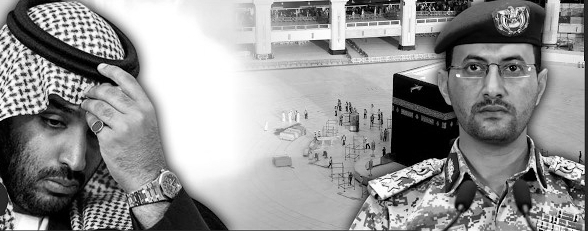
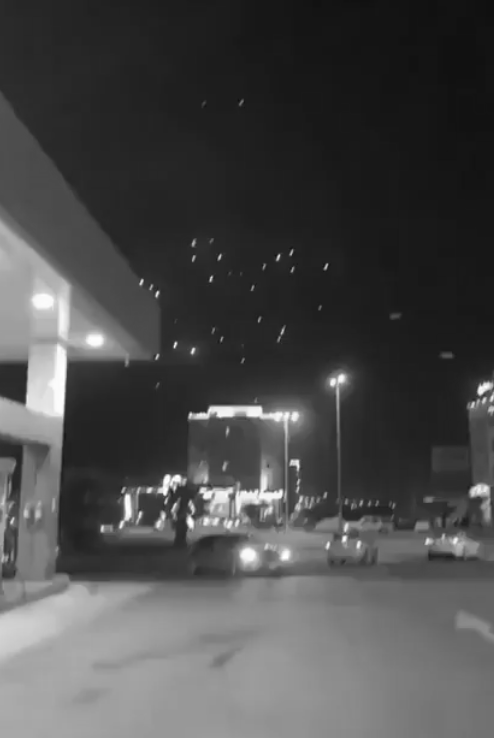
Saudi authorities on September 15 issued an aerial threat alert around Mecca and urged people to take precautions, including staying indoors and away from windows. Saudi Arabia later said its air defences intercepted and destroyed a Houthi drone south of Mecca before it entered the city's prohibited airspace. The incident was described as the second known Houthi attempt to target the holy city since a 2017 ballistic missile incident.
Saudi-led coalition spokesman Turki al-Malki called the safety of Mecca, Medina and pilgrims a “red line” and warned that Riyadh would take necessary deterrent measures. The warning came amid a wider escalation in attacks across Saudi Arabia and Yemen.
But there is a crucial dispute at the centre of the incident. The Houthis have denied targeting Mecca, calling the Saudi accusation a “ worn-out lie ”. The Iran-aligned Yemeni movement says its operations are aimed at Saudi military and energy facilities and not Islam's holy sites. The group has nevertheless claimed responsibility for recent attacks on Saudi territory.
The reaction was immediate because the symbolism of Mecca goes far beyond Saudi Arabia. The Organisation of Islamic Cooperation, representing 57 Muslim-majority and Muslim countries, condemned what it described as an attack targeting the holy city. India also condemned the alleged attack and called for an early restoration of peace and stability in the region. Pakistan strongly condemned the reported attempt as well.
Washington, meanwhile, has not offered direct military intervention despite the worsening situation. Reports say Saudi Arabia sought greater US involvement, while Washington has maintained diplomatic contact rather than directly entering the Saudi Houthi confrontation. The US has also raised its travel warning for Saudi Arabia, citing risks linked to missiles, drones, terrorism and armed conflict.
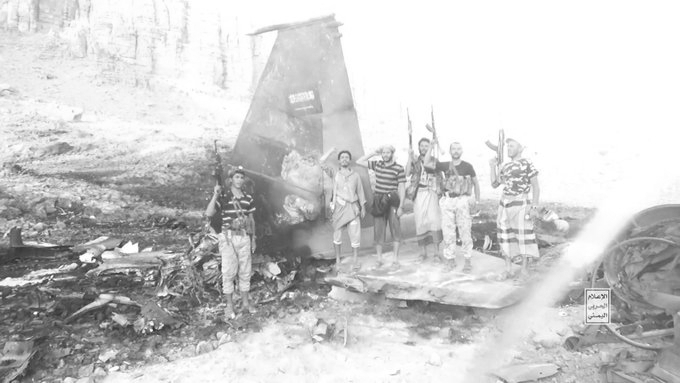
The latest escalation is much bigger than one drone. The Houthis have launched attacks against Saudi targets while accusing Riyadh of conducting airstrikes in Yemen. The group has claimed to have shot down a Saudi F-15 fighter jet. It has also claimed attacks on an Aramco facility and a Saudi air base.
To understand why Mecca has suddenly become part of this conflict, however, the story has to go back to Yemen.
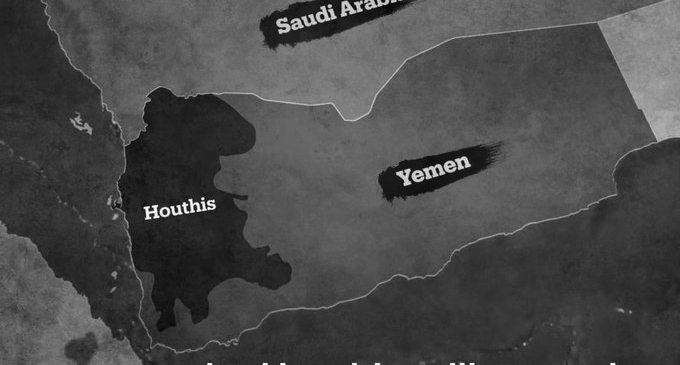
The Houthis, formally known as Ansar Allah, emerged from Yemen's Zaydi Shia community in Saada. The movement grew out of opposition to Yemen's government, foreign influence and what its supporters saw as the marginalisation of the Zaydi community. Fighting between the Houthis and the government began in 2004.
In March 2015, Saudi Arabia led a military coalition into Yemen. What began largely as a Yemeni political and military struggle consequently became a regional confrontation involving Saudi Arabia, Iran and other powers.
The Sunni-Shia divide is part of the picture, but it is not the whole explanation. Saudi Arabia is predominantly Sunni, while the Houthis follow the Zaydi Shia tradition and have developed close ties with Iran. Their conflict with Riyadh, however, also involves territory, security, political control and regional influence.
The accusations involving Mecca are not new either. Saudi Arabia said in October 2016 that it had intercepted a ballistic missile roughly 65 kilometres from Mecca. In July 2017, Riyadh again said a Houthi missile had been fired towards the Mecca region. Saudi Arabia has made similar accusations since then, while the Houthis have repeatedly denied deliberately targeting the holy city.
But if this wider war was started by the US and Israel, why are they now seemingly stepping back and leaving others to face its consequences?
Western streets remain largely empty and Muslim communities worldwide appear strikingly silent. If this involved Israel and its holy sites in Jerusalem, would the world’s streets still be this quiet?