
Massive US meatpacking strike at JBS raises supply concerns, fears of costlier US beef
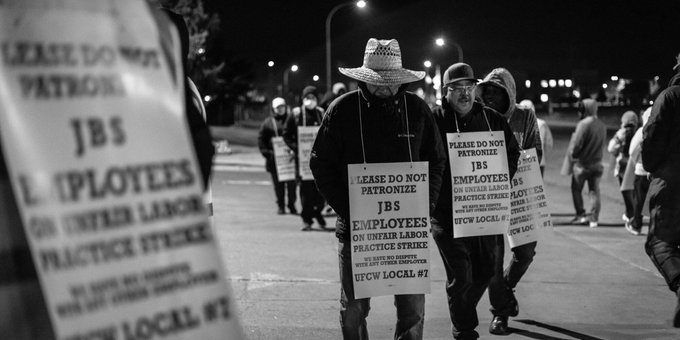
Thousands of workers at a major Colorado beef processing plant owned by JBS USA have launched a two-week strike, marking the first walkout in nearly 40 years at a US slaughterhouse and intensifying concerns over rising beef prices . The strike began Monday at the Greeley facility, which accounts for about 5–6 per cent of US beef production , with workers braving freezing temperatures, chanting slogans like “huelga!”, “no contract, no peace,” and “respect workers,” while urging a boycott after talks with the United Food and Commercial Workers Local 7 collapsed.
Union officials said 99 per cent of workers backed the strike , citing unfair labour practices , alleged retaliation, and wage offers of less than two per cent annually—below inflation. But the dispute goes beyond wages alone. With food and living costs rising sharply, workers demand better pay to cope with inflation, while companies resist, leading to exactly the kind of standoff now unfolding. Employees also point to hazardous working conditions , concerns over safety in high-speed processing lines, and resentment over being asked to bear costs for protective gear, reinforcing a broader sense of being undervalued despite their critical role.
The company has denied the allegations, calling its proposal fair and “historic,” and said some employees continue to work while production is being redirected to other facilities to limit disruption.
The strike comes at a fragile moment for the US beef sector, with cattle inventory at a 75-year low due to drought and financial strain on ranchers. Prices have already surged, and analysts warn a prolonged strike could tighten supply and push prices higher . While higher prices might suggest gains for producers, they have not translated into better conditions for workers, who also face rising household expenses.
With negotiations stalled, the standoff is emerging as a critical test for the US meat industry , where labour demands, corporate resistance and supply pressures are colliding with growing intensity.