
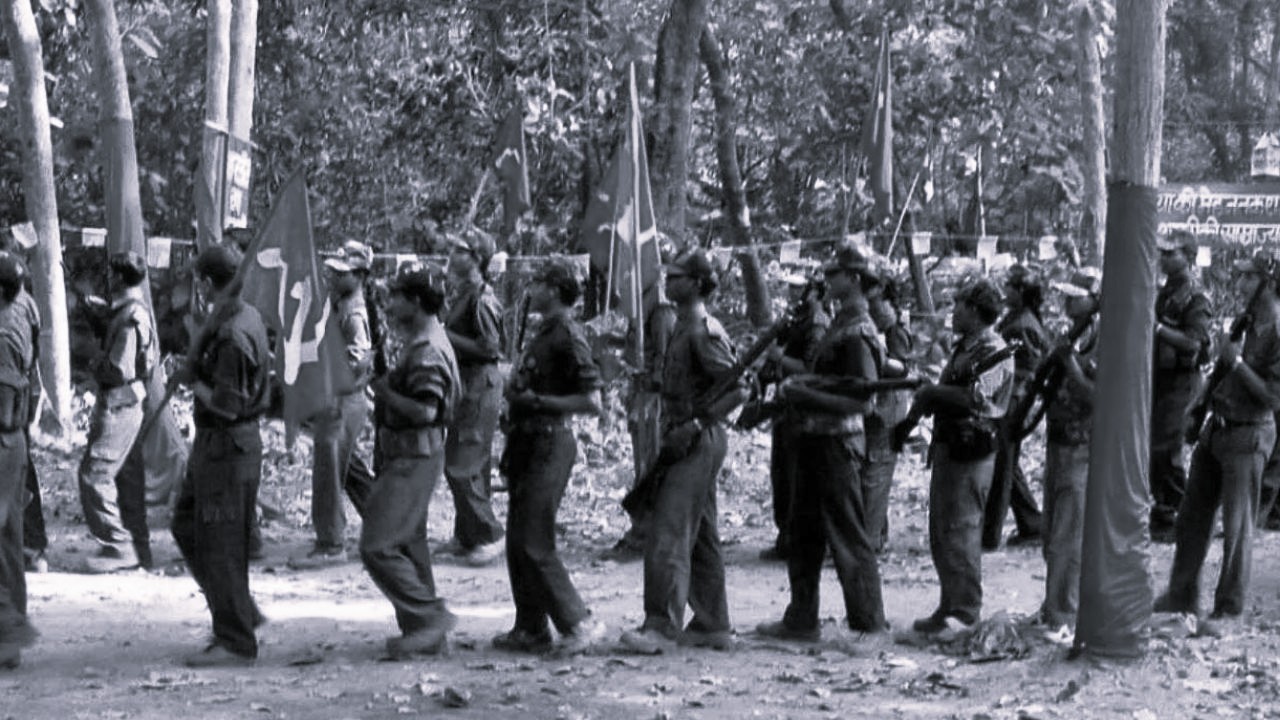
Maoist Network Weakens as 30 Cadres Surrender in Telangana
A quiet but decisive shift is unfolding in India’s long battle against Left-Wing Extremism , with Telangana emerging as a key front. In a major development, nearly 30 Maoist cadres , including a senior PLGA deputy commander , have surrendered before the Telangana Police , indicating a steady weakening of insurgent networks along the Chhattisgarh–Telangana border .
Among those who laid down arms is Sodi Keshalu alias Keshava , a significant figure within the People’s Liberation Guerrilla Army (PLGA) . His surrender is seen as a critical setback for the Maoist leadership structure. Security forces also recovered around 50 weapons , including AK-47 rifles and SLRs , highlighting the operational strength the group once possessed.
This development is part of a broader trend. In recent months, Telangana’s security forces have intensified counter-insurgency operations , maintaining constant pressure in forested and border areas. Officials say these efforts are forcing cadres to reconsider their involvement, leading to a rise in voluntary surrenders.
Earlier this year, 19 Maoist members , including a PLGA battalion commander , surrendered, dealing a major blow to the organization’s regional command. The momentum continued with the surrender of senior leaders such as Politburo member Devji (Tippiri Tirupati) and Central Committee member Malla Rajireddy , suggesting a deeper crisis within the Maoist hierarchy.
A key factor behind this shift is the government’s dual approach of enforcement and rehabilitation. Telangana Director General of Police B. Shivadhar Reddy has urged Maoist leaders to abandon violence , surrender their weapons, and join the democratic mainstream . The state’s rehabilitation schemes , which offer financial assistance and reintegration support, have encouraged many to return to civilian life.
According to official figures, 721 Maoists from Telangana and neighboring states have surrendered over the past two years. These surrenders not only weaken the insurgency but also help security agencies gather valuable intelligence on remaining networks.
Officials believe the Maoist presence in Telangana is now in a phase of strategic decline , with leadership gaps and shrinking ground support. The latest surrenders are expected to further weaken the Telangana State Committee and the PLGA armed wing , strengthening law and order and paving the way for development in previously affected regions.
As authorities prepare to release detailed information on the latest surrenders, the broader message is clear: the insurgency in Telangana is steadily losing ground, and the state is moving closer to long-term stability.