
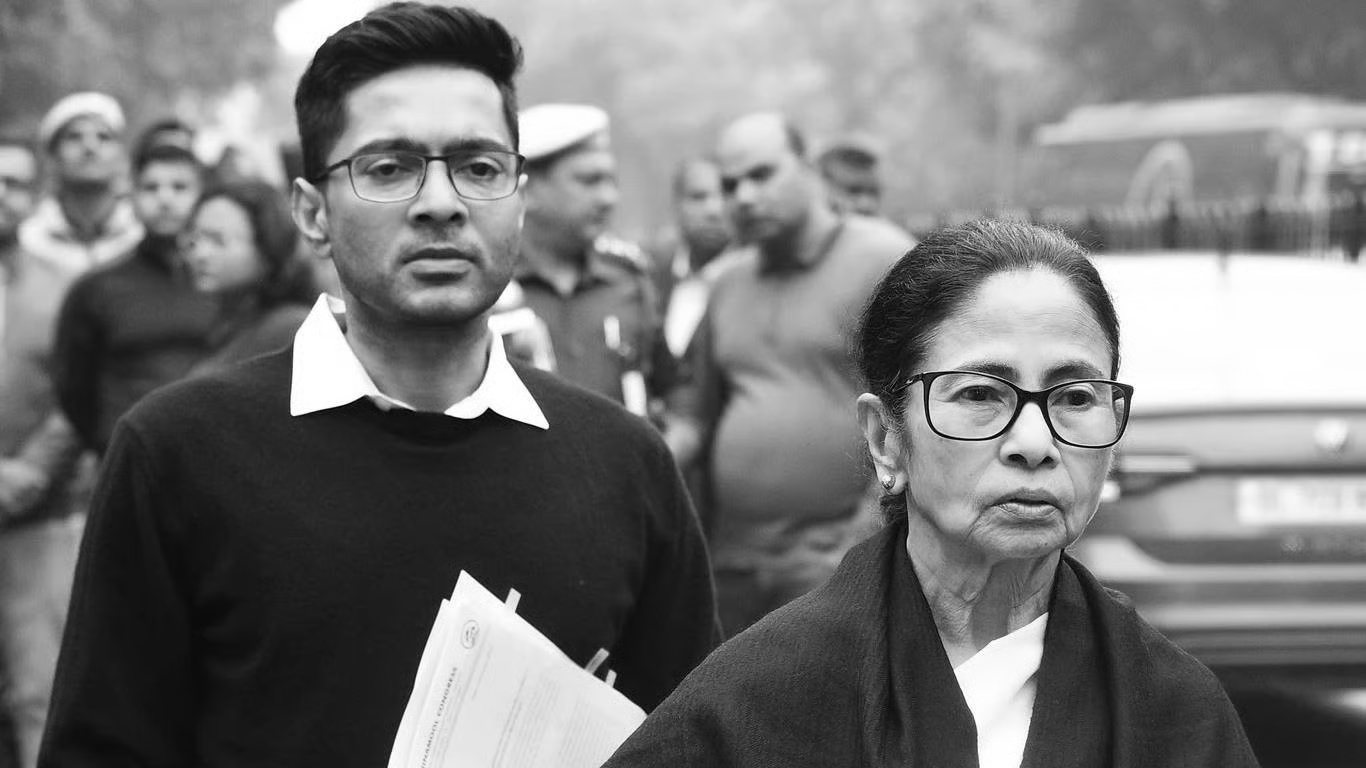
Mamata Banerjee flags alleged voter deletions in Supreme Court SIR hearing
West Bengal Chief Minister Mamata Banerjee on Wednesday personally urged the Supreme Court of India to intervene in the Special Intensive Revision (SIR) of electoral rolls underway in her state, calling the exercise a threat to democratic rights and alleging it singles out West Bengal for unfair treatment. The hearing, convened before a bench led by Chief Justice Surya Kant and Justices Joymalya Bagchi and Vipul M. Pancholi , saw sharp exchanges between the state government and the Election Commission of India (ECI) .
Banerjee’s petition, filed on January 28, names both the Election Commission and the Chief Electoral Officer of West Bengal as respondents and challenges critical directives issued by the Commission in June and October 2025 related to the SIR process. She has sought the quashing of these orders , a halt to ongoing revisions, and a direction that upcoming 2026 Assembly elections be held based on the existing 2025 voter list , without further changes that could disenfranchise eligible voters.
The Chief Minister contended that the SIR exercise risks removing genuine electors and questioned why it was being conducted intensively in West Bengal but not in other states such as Assam. She highlighted the deployment of thousands of “micro‑observers” from outside the state, personnel she says are neither trained nor authorised for the quasi‑judicial nature of the exercise and alleged that this has led to mass deletions rather than corrections of voter entries.
Mamatha told the court that the process has caused “immense inconvenience and agony” to voters and claimed that more than 150 people had died due to stress linked to the exercise, including administrative officials reportedly overwhelmed by the workload. She criticised the timing and compressed schedule of the SIR, noting that notices were issued during busy seasons such as harvests and festivals, leaving many unable to respond, and that many everyday life changes such as women adopting new surnames after marriage or workers relocating were wrongly classified as discrepancies.
A central flashpoint in the dispute is the large number of voters marked for “logical discrepancies,” which include mismatches in parents’ names or age profiles based on historical rolls from 2002. Around 1.3–1.5 crore voters have received notices for such discrepancies. Critics of the SIR process argue that minor issues, like spelling variations or name formatting, are being treated as grounds for potential removal, often without due consideration of valid documentary evidence.
Mamatha has also alleged that many living voters have been incorrectly recorded as “dead” on the rolls, and that acceptable documents such as domicile certificates or Aadhaar are still not being universally recognised by the EC during hearings—a charge the poll body disputes.
In response, senior advocate Rakesh Dwivedi for the ECI rejected claims of bias, arguing that the state government’s cooperation has been limited and that micro‑observers were deployed to ensure compliance with legal standards, not to target specific groups. The court is expected to hear further submissions and has issued notices to the ECI and West Bengal’s Chief Electoral Officer , with replies due in early February.
The apex court also stressed the need to ensure that genuine electors remain on the voter list and that transparency, accuracy, and fairness must underpin any revision of electoral rolls ahead of elections, reinforcing its earlier order that “logical discrepancy” lists be publicly displayed and objections heard without causing undue hardship.