
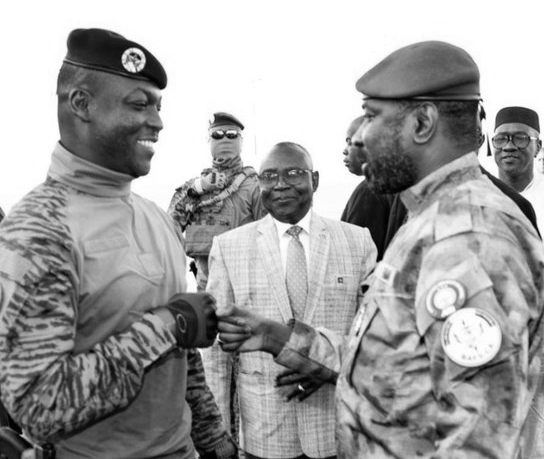
Mali and Burkina Faso impose retaliatory travel ban on US nationals after Trump travel restrictions
Mali and Burkina Faso announced late Tuesday that they would bar U.S. citizens from entering their countries, responding to President Donald Trump’s expansion of travel restrictions on Malian and Burkinabe nationals. The moves reflect escalating tensions between the United States and the military-led governments of these West African nations .
Before the bans, an estimated 25,000 U.S. citizens traveled annually to Mali, Burkina Faso, and Niger combined. Most were engaged in humanitarian, development, or aid-related work , including projects run by NGOs and U.S. agencies, while others traveled for diplomatic, security, academic, or tourism purposes. These bans are expected to significantly affect programs funded by U.S. citizens and organizations, including the Bill & Melinda Gates Foundation , which supports health, nutrition, vaccine distribution, agriculture, and food security projects in these countries. Notably, Gates-funded initiatives have included the Meningitis Vaccine Project , maternal and child health programs, nutrition projects, and agricultural development, although some projects, such as Burkina Faso’s Target Malaria initiative, have faced suspension due to local regulatory concerns.
In separate statements, the foreign ministries of Mali and Burkina Faso said the bans were based on the principle of reciprocity , applying the same conditions to American nationals that the United States now imposes on their citizens. Mali’s foreign ministry said the measures would take effect immediately , while Burkina Faso’s Foreign Minister Karamoko Jean-Marie Traoré cited similar reasoning.
The dispute follows a December 16 proclamation by President Trump that added Mali, Burkina Faso, and Niger to a list of countries facing U.S. travel restrictions. Washington cited national security, terrorism threats, and persistent armed group attacks in the Sahel region as key reasons for the bans. Mali and Burkina Faso have struggled to contain militant groups linked to al-Qaeda and ISIS, which operate across large swaths of their territories.
Tensions are also rooted in deeper political and diplomatic factors. All three nations are governed by military juntas that seized power from civilian governments, which drew criticism from the U.S. The military regimes have sought alliances beyond Western partners, including closer ties with Russia , and resisted pressure from the regional bloc ECOWAS . U.S. travel bans and other sanctions are seen by these governments as interference in their sovereignty, contributing to the deterioration of relations.
The bans against U.S. citizens in Mali and Burkina Faso follow similar measures taken by Niger, highlighting a pattern of tit-for-tat actions that complicates diplomatic and security cooperation in the region. Critics warn that such policies could hinder counterterrorism efforts, humanitarian aid delivery, and people-to-people ties at a time when the Sahel faces severe insecurity and humanitarian crises.