
Malayalam language bill: Kerala rejects Karnataka’s objections, cites minority safeguards
Kerala Chief Minister Pinarayi Vijayan has rejected concerns raised by the Karnataka government over the Malayalam Language Bill, stating that apprehensions about the imposition of Malayalam on linguistic minorities are “baseless” and unfounded.
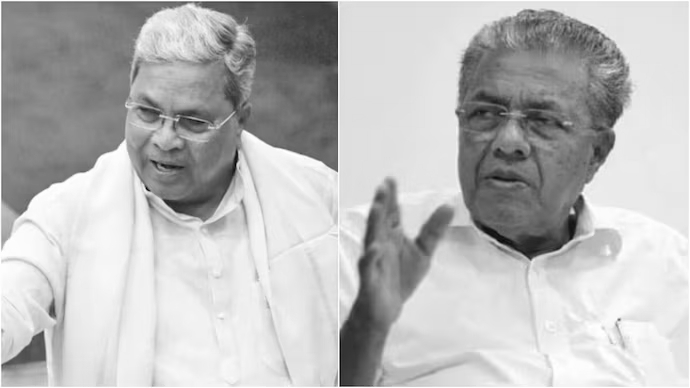
In a letter addressed to Karnataka Chief Minister Siddaramaiah, Vijayan clarified that the legislation, passed by the Kerala Assembly in October last year, does not violate the constitutional rights of linguistic minorities. He said there is no provision in the law that forces Malayalam on Kannada-medium schools or students belonging to non-Malayalam linguistic groups.
Although the law designates Malayalam as the first language in schools, students whose mother tongue is not Malayalam are permitted to study the language alongside their own, in line with the National Curriculum Framework, Vijayan said. He also noted that students coming from other states or from abroad are exempt from appearing for Malayalam examinations at the SSLC and Higher Secondary levels.
Addressing concerns specific to border districts such as Kasaragod, where a sizeable Kannada-speaking population resides, the Chief Minister said linguistic minorities are free to communicate with government offices in Kannada or Tamil and are entitled to receive official replies in the same languages.
Vijayan emphasised that the legislation was framed with the objective of protecting Kerala’s linguistic and cultural heritage while upholding cooperative federalism. “Love for one’s mother tongue does not hinder the promotion of other languages,” he said, adding that the government is duty-bound to safeguard the constitutional rights of all citizens.
The issue gained prominence after Karnataka CM Siddaramaiah objected to the Bill, arguing that no language can be imposed on linguistic minorities by force. He had expressed concern that making Malayalam compulsory as a first language could adversely affect Kannada-speaking communities living in Kerala’s border areas.
The exchange highlights growing sensitivities around language policy and minority rights, particularly in linguistically diverse border regions, even as states exercise their constitutional authority to promote regional languages.