
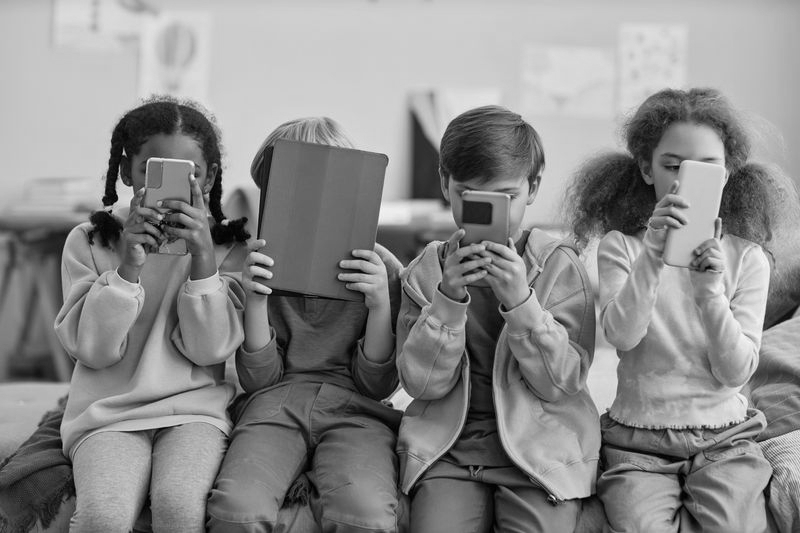
Majority of Indian parents favour social media ban for under-16s, survey finds
In a growing discomfort with the digital world is beginning to reflect in public opinion, as a new global survey finds that 75 per cent of Indian parents support a ban on social media for children under 16 . Conducted by the UK-based Varkey Foundation, the study places India among the strongest supporters of stricter online boundaries, second only to Malaysia. What stands out even more is that 73 per cent of Indian Gen Z respondents also favour such restrictions, a rare moment of agreement between generations in a debate that is otherwise sharply divided worldwide.
The support stems largely from rising concerns about how social media is shaping young minds. Parents increasingly point to issues like addiction, cyberbullying, exposure to harmful content, and declining mental health , with studies linking excessive screen time to anxiety, poor sleep, and low self-esteem among children. For many, a ban appears to be a protective step, allowing children to grow without the constant pressures of the online world. As Sunny Varkey observed, families today are facing a “growing tension” as technology begins to influence not just habits but also relationships and values.
However, the idea of a blanket ban raises important concerns. Social media is also seen as a space for learning, creativity, and self-expression , and restricting access could leave children digitally unprepared. Critics argue that such measures may push usage underground, making it harder for parents to monitor online behaviour.
There are also significant legal and practical hurdles . Enforcing age restrictions across global platforms is complex, with challenges around privacy, age verification, and regulation. In a country as vast and digitally diverse as India, implementation could prove difficult.
Ultimately, the debate goes beyond banning platforms. It reflects a deeper question about balance, how to ensure that children benefit from technology without being overwhelmed by it. As countries explore stricter rules, India’s response signals a clear demand for a safer, more mindful digital childhood.