
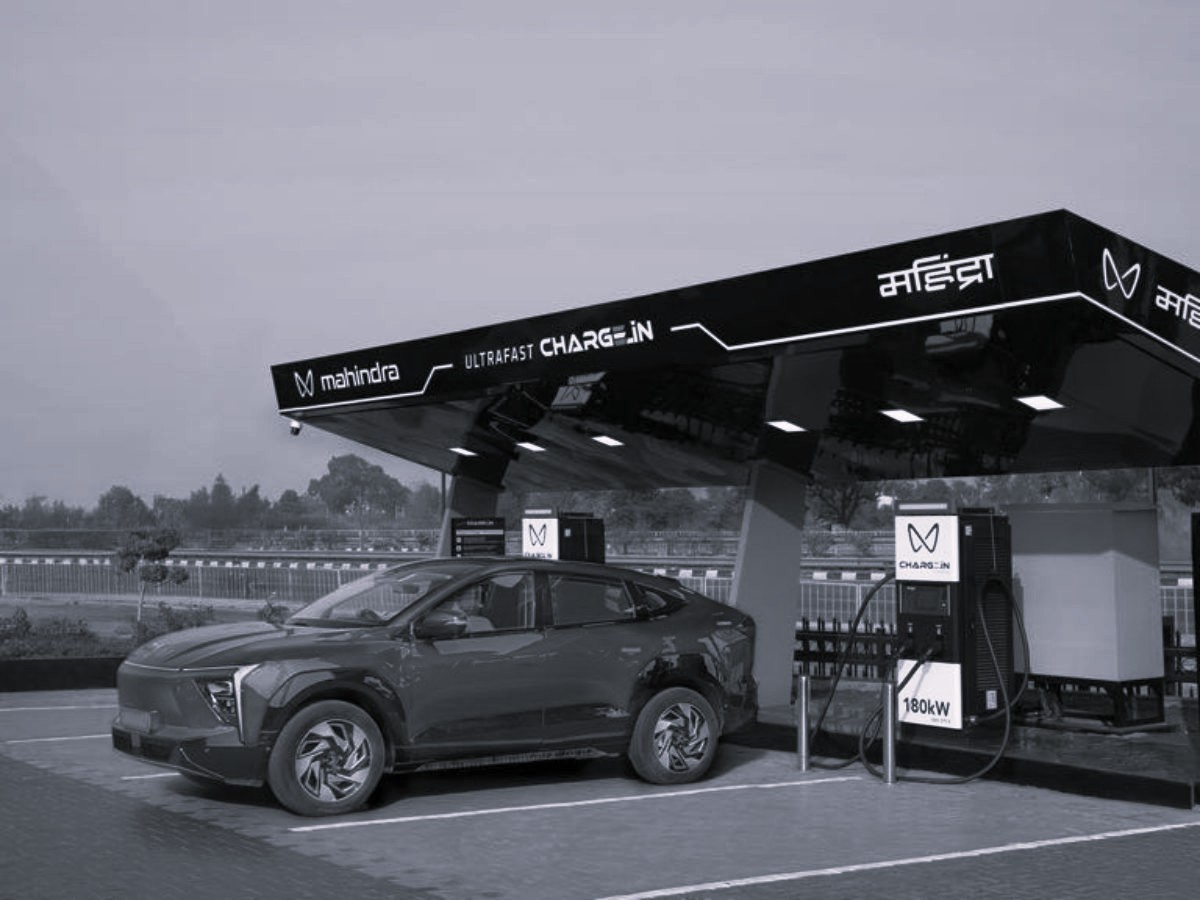
Mahindra to set up 250 EV charging stations by 2027
Mahindra & Mahindra is accelerating India’s electric vehicle (EV) journey with the announcement of 250 ultra-fast Charge_IN charging stations, set for completion by 2027. Each station, featuring advanced 180 kW chargers and equipped with traveller-friendly amenities, will serve as part of a growing nationwide ecosystem supporting both Mahindra and other brands’ EVs. This strategic rollout, especially along highway corridors, aims to make long-distance EV travel feasible, convenient, and appealing to consumers.
This major investment dovetails with India’s sweeping national plans to catalyse an EV revolution. The government’s ambitious targets include achieving 30% of all new vehicle sales as electric by 2030. Schemes like PM E-DRIVE, PLI (Production Linked Incentive), and FAME-II are driving rapid expansion of both charging infrastructure and domestic EV manufacturing. Many states have rolled out additional incentives, such as tax breaks and subsidies, giving further momentum to the shift. As a result, the number of public charging points has already crossed 34,000 across the country, and Mahindra’s new additions will bring over 1,000 more, addressing ‘range anxiety’ by enabling rapid recharging of 20% to 80% battery in around 20 minutes at critical transit points.
India’s EV charging landscape is becoming increasingly competitive and collaborative, with several big players and high-value contracts shaping its growth. Tata Power leads in coverage, operating more than 6,400 public and semi-public charging points, supported by major partnerships with energy giants like Indian Oil and Hindustan Petroleum. CHARGE ZONE claims the title of India’s largest charging platform with over 13,500 stations, thanks to a strong focus on interoperability and roaming agreements that let users access chargers across networks. Statiq, following its extensive alliance with HPCL, integrates more than 5,100 chargers and offers one of the most user-friendly aggregator apps in the sector.
Meanwhile, major contracts are redefining the field. BPCL, for instance, has awarded projects worth more than ₹1.2 billion to set up thousands of DC fast chargers nationwide, partnering with Tata Motors, IONAGE, and others to meet growing demand at fuel outlets. Such large-scale collaborations between energy providers, technology companies, and automotive manufacturers exemplify India’s approach to scaling EV infrastructure swiftly and efficiently.
All these developments are anchored in the government’s broader sustainability vision, including reduced fossil fuel dependence and a commitment to Net Zero emissions by 2070. Backed by progressive policy, bold business initiatives, and expanding public-private coordination, India’s EV transformation is well underway. The growing infrastructure ensures the future of travel in India is not just electric, but convenient, reliable, and poised for mass adoption heralding a greener, smarter, and more connected country in the coming decade.