
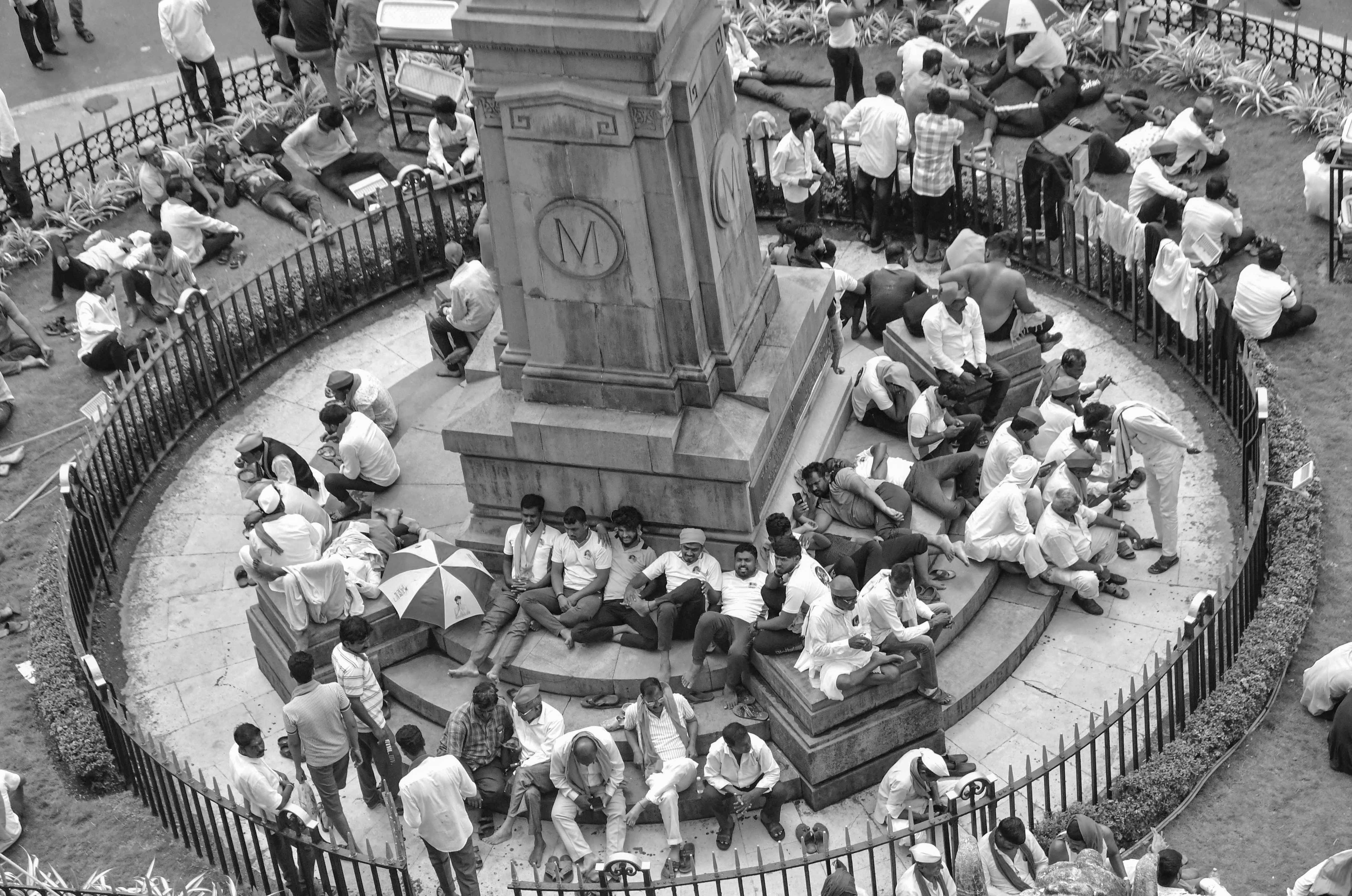
Maharashtra’s breaking point? Quota tensions surge
Maharashtra’s political and social landscape is simmering as a sensitive debate over reservation intensifies. The controversy revolves around a Government Resolution (GR) that allows members of the Maratha community to obtain OBC (Other Backward Class) Kunbi caste certificates. While intended to address long-standing demands of Marathas, the move has drawn sharp criticism and protests from other communities, including OBCs, SCs, STs, and Banjara groups.
Chief Minister Devendra Fadnavis has called for calm, cautioning against “politics of extremes” that could create fear or tension among OBC students. Despite the CM’s reassurances, the issue has quickly evolved into a broader social and political debate about fairness, historical rights, and the delicate balance of Maharashtra’s caste-based reservation system.
The roots of the conflict
The Maratha community’s claim is tied to historical precedents. During the Nizam’s rule over the Marathwada region, Marathas were granted certain educational and job reservations in 1918. With the state government now allowing Marathas to claim OBC Kunbi certificates through the Hyderabad Gazette, many fear it could dilute opportunities for the 374 castes currently listed under the OBC category.
OBC activists argue that extending the quota will affect students and workers who already rely on these benefits. “The Maratha quota, if implemented without careful checks, could threaten the rights of thousands of OBCs,” says Navnath Waghmare, an OBC leader. SC and ST groups have also voiced concerns, particularly the Banjara community, which sees its historical rights as a Scheduled Tribe being overlooked.
Protests and political responses
Tensions on the ground have escalated. Banjara youths have been on an indefinite hunger strike in Jalna since September 11, demanding the restoration of ST reservations. Meanwhile, OBC organizations have threatened massive morchas, including a large protest in Nagpur scheduled for October 10.
Sharad Pawar, NCP chief, weighed in sharply, accusing the government of weakening Maharashtra’s social fabric and attempting to sow division. Fadnavis, however, maintains that the move is carefully designed to avoid misuse. “Only those with verified Kunbi records will get certificates. No one else will benefit,” he said, emphasizing that OBC rights will not be compromised.
This controversy highlights the fragile balance in India’s reservation system, where historical entitlements, community demands, and contemporary socio-economic realities intersect. While the Maratha quota aims to address decades of perceived marginalization, the strong pushback from other communities underscores the potential for conflict when policies are seen as favoring one group over another.
Experts suggest that transparency, clear communication, and fact-based outreach are essential. Without these, emotions and rumors can quickly turn political tensions into social unrest. Maharashtra now faces the dual challenge of honoring historical claims while maintaining harmony among its diverse communities.
At its heart, the Maratha quota debate is not just about numbers or policy—it is about identity, fairness, and trust in governance. How the government manages this delicate issue will likely influence social cohesion and political dynamics in the state for years to come. Fadnavis’ repeated warnings about the “politics of extremes” are a reminder that perception often matters as much as policy.
Maharashtra stands at a crossroads: can it address historical grievances without alienating other communities? The answer may shape not only the future of reservations but the social fabric of the state itself.