
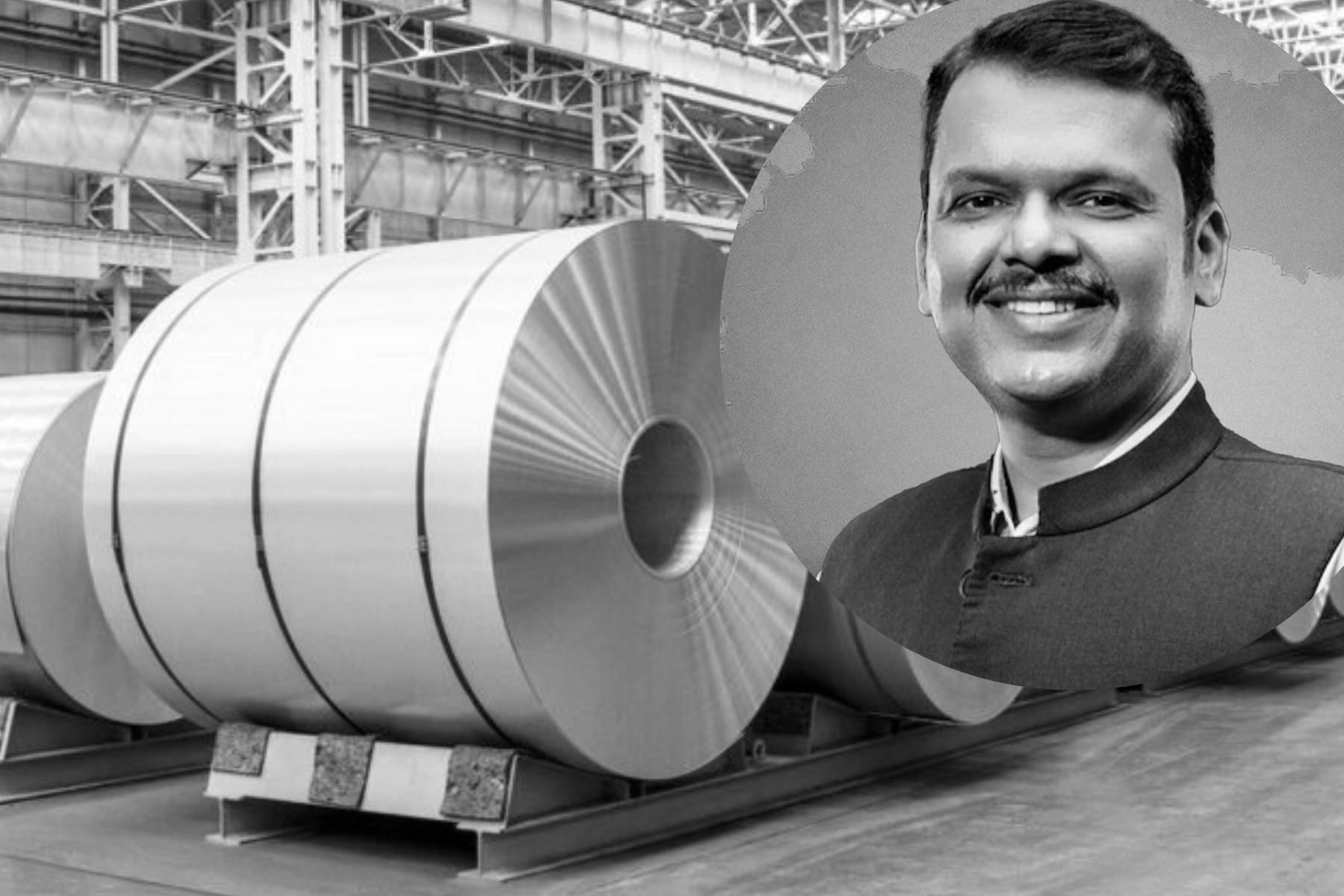
Maharashtra to mine a greener future with steel: Fadnavis
Maharashtra has laid out a compact, ambitious roadmap to integrate heavy industry with clean energy. At the AIIFA Steelex conclave, an annual gathering of steel industry leaders and policymakers to discuss technology, investment, and sustainable practices, Chief Minister Devendra Fadnavis presented a push to scale up steel production while decarbonising the entire value chain, meaning reducing the carbon emissions involved in steel making. This includes using cleaner electricity instead of fossil fuels to run furnaces, adopting green hydrogen instead of coal-based methods for steel production, and adding renewable energy storage so plants can run on low-carbon power. The plan also links these technical upgrades to local development in districts such as Gadchiroli, ensuring industrial growth aligns with sustainability goals.
The concrete promises are notable and measurable: the state flagged recent MoUs worth about Rs 80,962 crore tied to steel projects, with roughly 40,300 jobs projected from those deals. It reiterated national-level ambitions, producing 30 crore tonnes of steel by 2030, including a target for at least 5 crore tonnes of green steel for export, linking Maharashtra’s plan to the broader Green Steel Mission.
Power and storage are an important part of Maharashtra’s green steel plan. The state plans to provide 16,000 MW of solar power to farmers by 2026, which will also give cleaner electricity to industries. So far, 1,359 MW is already working, and about 1,000 MW of the 2025 target has been completed. This solar power will be supplied to farmers mainly for irrigation and farming needs, making sure steel plants use real clean electricity, not just planned on paper.
At the same time, the government plans to build pumped-storage projects, which are like giant batteries that store energy when it’s sunny or windy and release it when needed. This helps make sure that renewable energy, which can be intermittent, is available 24/7 for steel plants.
The government has signed agreements (MoUs) for these storage projects with ambitious total capacity, and the first 7,000 MW could be ready in two years.
When it says “not just on paper,” it means that it’s not only a plan written down or announced, these steps are intended to actually provide reliable, low-carbon electricity to the steel plants in reality. The focus is on real implementation so the green steel initiative works as intended.
Technology choices and the “how” matter. Green-steel pathways rest on three practical levers:
(1) switching to electric-arc furnaces and recycled steel where possible, (2) using green hydrogen or hydrogen-based reduction for primary steelmaking instead of coke-based blast furnaces, and (3) ensuring reliable renewable electricity backed by storage. Maharashtra’s strategy mixes all three: renewables, pumped storage, and green-hydrogen and battery value-chain commitments. That mix is technically credible, but each element carries cost, time and infrastructure requirements.
Risks and friction points are real. Pumped storage and large hydrogen facilities have long lead times, complex approvals, land and water implications, and supply-chain bottlenecks. The Gadchiroli push, transforming a region once associated with conflict into a steel investment zone, raises sensitive questions about tribal rights, forest clearance, water use and local livelihoods. Scaling 16,000 MW of agri-solar requires rapid grid upgrades and careful integration so farmers actually get reliable daytime supply without stressing distribution networks. In short, political will and MoUs must turn into executed projects with transparent environmental and social safeguards.
Key facts
• Recent MoUs: About Rs 80,962 crore in MoUs were announced linked to steel investments, with an estimated 40,300 jobs from those deals.
• National & state targets: India aims for 30 crore tonnes of steel by 2030, including 5 crore tonnes of green steel for export; Maharashtra positions itself as a lead contributor to this target.
• Agricultural solar drive: Maharashtra is rolling out programmes to supply 16,000 MW of solar power to agricultural feeders (targeted completion by 2026), to reduce subsidies and lower industrial tariffs over time.
• Pumped storage & 24/7 clean power: The state has signed MoUs for large pumped-storage projects (headline capacities cited), with ~7,000 MW expected to be operational in the near term to stabilise renewable supply. Robust storage is critical to make steel plants truly low-carbon.
• Gadchiroli focus & nature commitments: Gadchiroli was highlighted as a priority steel region with major investments announced and a plantation target (millions of saplings) to offset impacts, but local land, forest and tribal issues require careful, transparent handling.
• Execution challenges: Technical feasibility exists, but key constraints include long lead times for storage/hydrogen projects, grid integration needs, environmental clearances, financing and credible timelines from MoU to commissioning.
If the state delivers on these pieces, timed storage, executed MoUs, clean hydrogen supply and responsible land use in lagging districts, Maharashtra could show a repeatable model of industrial decarbonisation that balances jobs with climate goals. If execution lags or safeguards are overlooked, the result will be big headline numbers with limited real carbon reduction or local benefit.