
Maharashtra Begins Marathi Enforcement Drive, 1,268 Drivers Get Notices
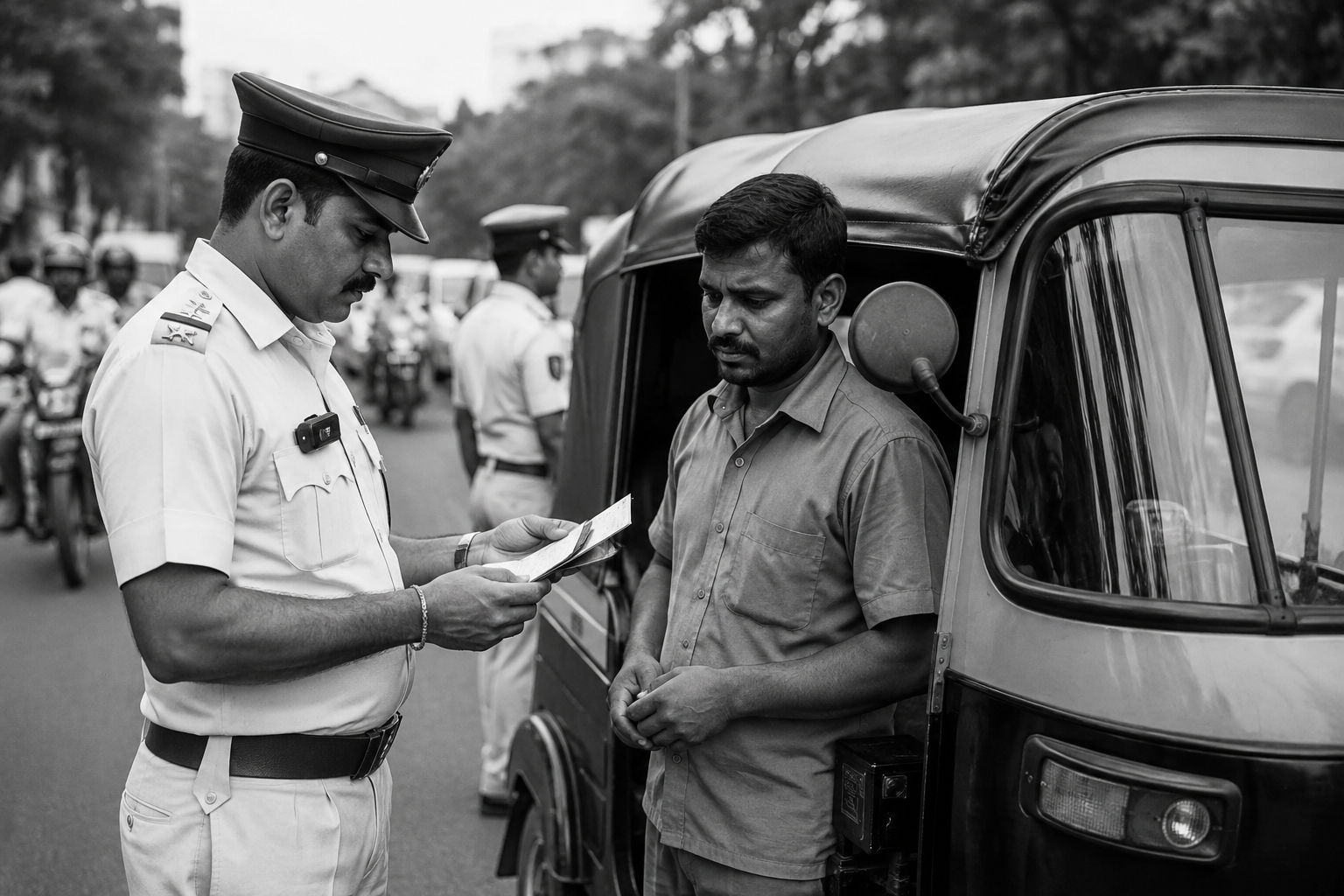
Maharashtra has stepped up enforcement of its Marathi-language requirement for commercial passenger vehicle drivers, with 1,268 auto-rickshaw and taxi drivers issued notices on the first day of a statewide checking drive for failing to demonstrate adequate working knowledge of Marathi. The action marks a shift from months of training and awareness efforts to active enforcement of the rule.
The Regional Transport Offices tested 8,217 drivers across the state on Thursday, including 3,995 in the Mumbai Metropolitan Region (MMR). Of these, 604 MMR drivers were issued notices, while 664 of the 4,222 drivers tested outside the region faced similar action. The checking drive will continue until September 30, with drivers given one month to acquire the required language skills.
Those who fail to demonstrate adequate Marathi knowledge after the additional month could have their badges suspended for three months. Officials said drivers would again receive an opportunity to improve their language skills, with action continuing in cases of repeated non-compliance.
The assessment consists of a 16-question practical test focused on situations drivers encounter daily. Questions cover asking passengers about destinations, understanding directions, communicating fares and routes, operating meters and explaining taxi or autorickshaw stands. The questionnaire was based on training conducted by the Konkan Sahitya Parishad.
Transport Minister Pratap Sarnaik said around 1.65 lakh drivers had already completed Marathi training and received certificates during a 105-day campaign. The state had introduced the course after announcing in May that basic Marathi proficiency would be compulsory and had initially set August 15 as the learning deadline.
The requirement has now been reinforced through amendments to the Maharashtra Motor Vehicles Rules, 1989. Sarnaik said practical Marathi knowledge had been required since 1989 but was not strictly enforced. The government maintains that the measure is intended to improve passenger convenience and safety, while preserving Maharashtra’s linguistic and cultural identity.
However, the policy has faced criticism over the definition of “working knowledge”. Taxi union leader DM Gosavi and retired RTO officials have questioned the absence of a clearly prescribed benchmark or standardised testing method, including whether assessments should be oral or written. They have warned that ambiguity could create opportunities for corruption.
The Transport Department has directed RTO officials to videograph the checking process, a step aimed at improving transparency. With enforcement continuing through September, the government now faces the challenge of ensuring consistent assessments while balancing language policy, passenger safety and the livelihoods of commercial drivers.