
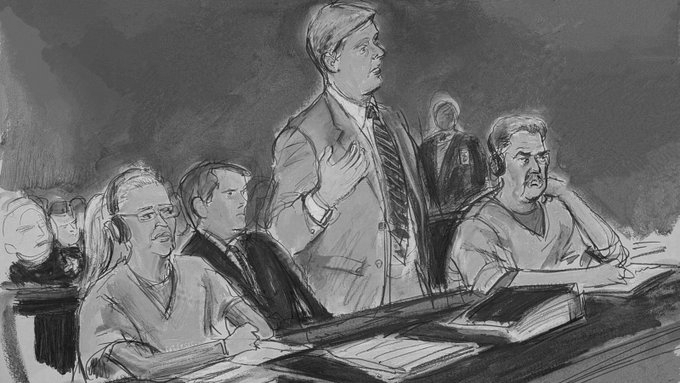
Maduro And Wife Face June 2027 Trial Date In US Drug Trafficking Case
Ousted Venezuelan President Nicolas Maduro and federal prosecutors jointly proposed a June 2027 start date for his criminal trial on narco terrorism and drug trafficking charges, in a filing submitted ahead of a scheduling hearing in Manhattan federal court. US District Judge Alvin Hellerstein, aged 92 and overseeing the Southern District of New York case, must formally approve the timeline, though both sides noted they may still seek adjustments.
Under the proposal, Maduro's legal team would file a motion to dismiss the case by September 2, arguing sovereign immunity as a former head of state, with arguments to follow in November. A second round of defence motions is due by January 11, once prosecutors complete the transfer of classified evidence expected by November.
Maduro and his wife, Cilia Flores, were captured in a nighttime raid in Caracas by US Special Forces in January and flown to New York, executing an arrest warrant tied to an original 2020 indictment. Both pleaded not guilty to a four count indictment covering narco terrorism conspiracy, cocaine importation conspiracy and possession of machineguns and destructive devices. The Justice Department later revised its indictment, dropping the claim that the so-called Cartel de los Soles, a network Washington designated a foreign terrorist organisation, was a formal cartel personally led by Maduro, instead describing it as a loose patronage network built on drug money.
Maduro is represented by Barry Pollack, the Washington attorney who previously negotiated Julian Assange's 2024 release deal, while Flores is represented by Mark Donnelly. Pollack has separately asked the court to toss the indictment, arguing the Trump administration is blocking access to Venezuelan government funds Maduro says he is entitled to for his legal defence, and has described the capture itself as a military abduction. The US had also offered a reward of up to 50 million dollars for information leading to Maduro's arrest.
During his January arraignment, Maduro called himself a prisoner of war and insisted he remains Venezuela's legitimate president, a case legal observers have compared to the 1989 capture of Panama's Manuel Noriega as one of the rare instances of a sitting head of state facing US domestic prosecution. Washington stopped recognising Maduro as Venezuela's legitimate leader in 2019 and accuses him of rigging elections in 2018 and 2024. The proceedings continue as Venezuela grapples with a humanitarian crisis following back to back earthquakes in June that killed more than 5,278 people.