
Madrasas in Uttarakhand to Join State Board
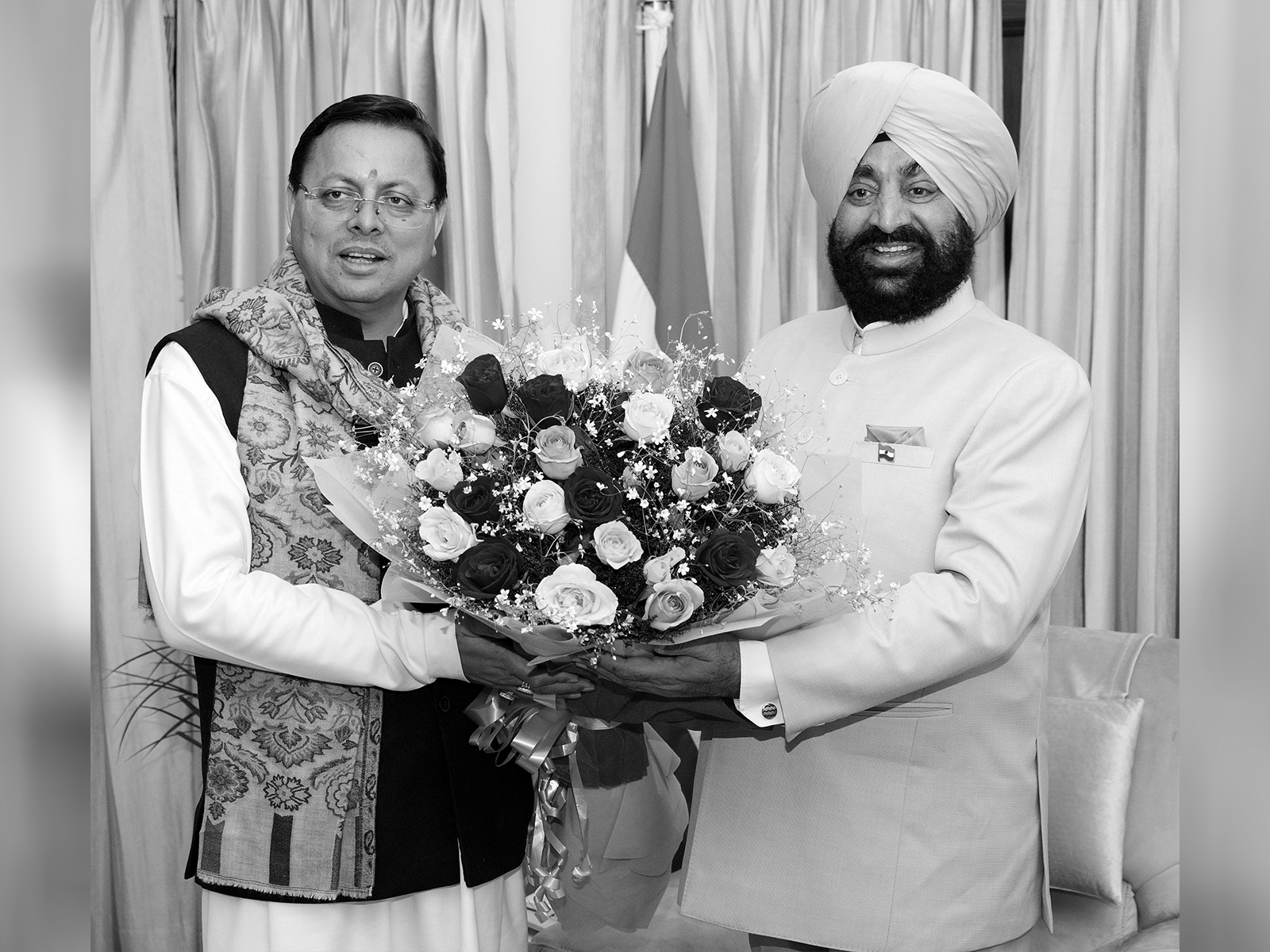
Uttarakhand Governor Lieutenant General (Retd.) Gurmit Singh has approved the Uttarakhand Minority Education Bill, 2025 , a landmark step to integrate minority educational institutions, including madrasas, into the mainstream education system.
The Bill will lead to the abolition of the Madrasa Board, which previously regulated madrasas across the state. The Madrasa Board oversaw religious education, maintained records, and ensured basic teaching standards in madrasas. Unlike state schools, which follow the Uttarakhand Board of School Education curriculum based on the National Curriculum Framework (NCF) and NEP 2020 , madrasas traditionally focused primarily on Islamic religious education, including Quranic studies, Arabic, and related subjects.
Under the new Bill, all madrasas in Uttarakhand will need to obtain recognition from the newly formed Uttarakhand Minority Education Authority and affiliate with the Uttarakhand Board of School Education . This makes Uttarakhand the first state in India to dissolve its Madrasa Board and bring minority institutions under a uniform academic framework.
Currently, Uttarakhand has around 419 registered madrasas , of which 192 receive state or central grants , while approximately 500 private or unregistered madrasas operate without formal recognition. In 30 surveyed madrasas, 7,399 students are enrolled, including 749 non-Muslim students , highlighting the wide reach of these institutions across communities.
Chief Minister Pushkar Singh Dhami described the move as “historic” and said that from the academic session of July 2026, all minority schools will adopt the National Curriculum Framework and align with NEP 2020 , emphasizing the goal of providing “equal education and equal opportunities” to every child, regardless of class or community. In a post on X (formerly Twitter), he thanked the Governor for approving the Bill, stating it will help make the education system “more transparent, accountable, and qualitative,” with the new authority overseeing recognition, regulation, and affiliation to ensure students from all backgrounds in Uttarakhand receive holistic, inclusive, and standardized education.
In several other Indian states — such as Uttar Pradesh, Bihar, West Bengal, and Madhya Pradesh — madrasas continue to function under their respective State Madrasa Education Boards . These boards typically follow a dual curriculum that combines religious studies (Quran, Arabic, Fiqh, Islamic history) with modern subjects like mathematics, science, and languages, often aligned with state or NCERT frameworks. However, with Uttarakhand now abolishing its Madrasa Board, madrasas in the state will fully transition to the NEP 2020 -based system. This means that while religious instruction may continue privately or outside regular hours, the formal curriculum will be standardized with mainstream schools, focusing on academic, technical, and vocational learning to ensure parity in higher education and employment opportunities.
The integration will give students access to modern subjects such as science, mathematics, and technology alongside religious studies, while also expanding opportunities for higher education and employment on par with peers in mainstream schools. Standardized regulations are expected to improve transparency, accountability, and overall quality of education. Exposure to a diverse curriculum and peer group will foster social integration, though challenges such as resistance from traditional institutions, the need for teacher training, infrastructure upgrades, and careful balancing of cultural sensitivities remain.