
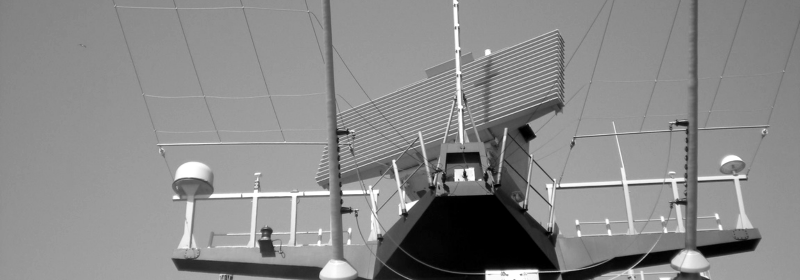
Made in India milestone, Tata delivers naval radar
India has taken a major step toward defence self-reliance with Tata Advanced Systems Limited (TASL) successfully delivering the first advanced 3D Air Surveillance Radar, Lanza-N, for the Indian Navy. Developed in collaboration with global engineering firm Indra, this next-generation naval radar marks a milestone not just in manufacturing but in the strategic autonomy of India’s defence capabilities. For the first time, an Indian company has demonstrated the ability to design, integrate, and deploy a cutting-edge naval surveillance radar entirely in India.
The Lanza-N radar is no ordinary system. It is a long-range, three-dimensional tactical surveillance radar capable of detecting a variety of aerial and naval threats, from drones and fighter jets to anti-radiation missiles. Its integration aboard a warship involved rigorous sea trials, testing its performance against multiple platforms under diverse conditions. The success of these trials confirms India’s capability to produce world-class defence systems domestically.
This project also represents a significant localisation achievement. By establishing a radar assembly, integration, and testing facility in Karnataka, TASL is building a robust ecosystem for advanced defence technologies. This facility ensures faster production cycles, better maintenance, and closer support for the Navy, strengthening India’s defence industrial base. It also highlights the power of public-private collaboration and international partnerships, as TASL and Indra combined technical expertise, supply chains, and knowledge transfer to create a sustainable and scalable model.
Beyond technology, the radar underscores India’s strategic vision. Defence self-reliance reduces dependency on imports, enhances operational readiness, and creates high-skill employment in cutting-edge sectors. The Lanza-N’s operational induction also signals India’s emergence as a credible global player in defence electronics, capable of exporting advanced systems in the near future.
Critically, this milestone is a statement of intent. It shows that India is not just assembling imported parts but is cultivating the full spectrum of research, development, and production capabilities needed to secure its borders and assert maritime strength. The success of TASL and Indra in deploying the Lanza-N radar is a benchmark for the nation’s Make in India initiative and a tangible example of technological nationalism in action.
Lastly , the radar is more than a piece of military hardware; it is a symbol of India’s ambition, innovation, and readiness to claim a leadership role in high-end defence technology. From classrooms to ship decks, from design labs to the open sea, India is proving that homegrown solutions can meet world-class standards, safeguarding both national security and industrial sovereignty.