
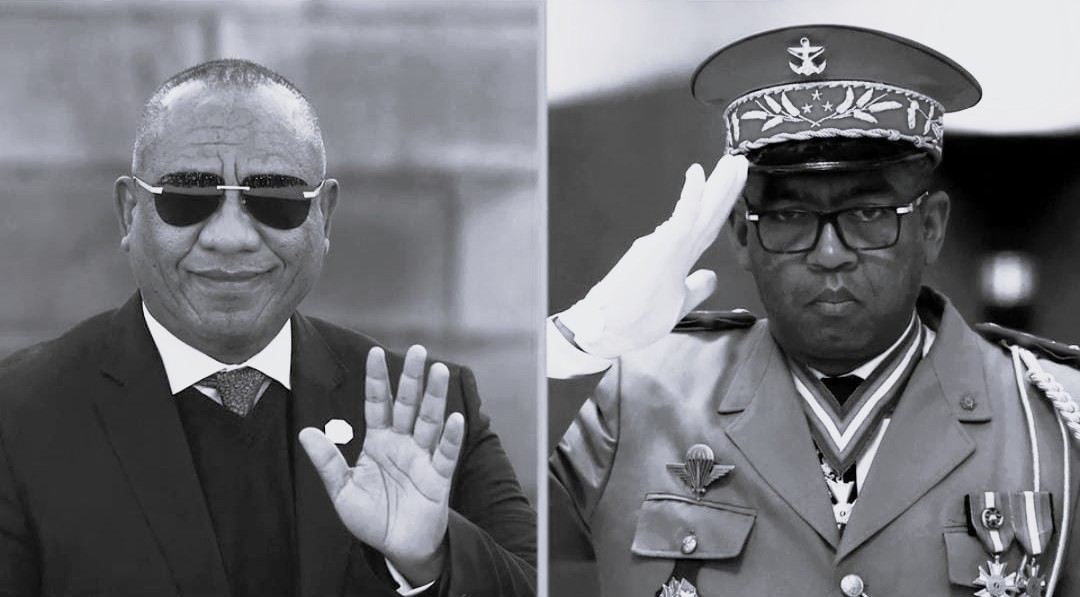
Madagascar gets a new PM - Military backed move sparks debate
Madagascar’s President Andry Rajoelina has appointed army General Ruphin Fortunat Zafisambo as the country’s new prime minister, aiming to restore stability as anti-government protests over worsening electricity and water shortages intensify across several cities.
The appointment follows Rajoelina’s dissolution of the previous government last week, which removed former prime minister Christian Ntsay. The move came after protesters demanded Rajoelina’s resignation, and analysts interpret it as a strategic step to appease public anger without the president stepping down. Zafisambo, formerly director of the military cabinet within the prime minister’s office, has been tasked with restoring electricity and water services nationwide.
Rajoelina described the appointment as a step taken “with wisdom”, saying the nation needed a prime minister “capable of restoring order and the people’s trust.”
Protests resumed on Monday, October 6, marking the third consecutive week of demonstrations. Demonstrators have gathered in multiple cities, including the capital Antananarivo, where police used tear gas to disperse crowds composed largely of university students. Protesters are demanding Rajoelina’s resignation, citing worsening poverty, prolonged blackouts, water shortages, and government mismanagement.
The protests have been compared to “Gen Z” uprisings in Kenya and Nepal, representing the largest wave of civil unrest Madagascar has seen in recent years. Citizens are expressing frustration over persistent corruption, inadequate public services, and deepening economic hardship.
The United Nations reported at least 22 fatalities and over 100 injuries since the protests began, though the government disputes these figures. While Rajoelina has stated he is open to dialogue, he has refused to step down, accusing some political actors of “exploiting the movement to destabilize the country.” Some civil society groups met with the president over the weekend, but others boycotted talks, demanding freedom of protest and the release of detained demonstrators first.
Madagascar’s electricity and water crisis stems from longstanding structural weaknesses. Under former president Didier Ratsiraka (1975–1993, 1997–2002), the country adopted a highly centralized socialist system, nationalizing major industries including Jirama. This led to underinvestment, inefficiency, and poor maintenance, leaving utilities financially weak and technologically outdated. Even after liberalization, reforms struggled to modernize infrastructure, leaving millions without reliable power or water. Despite rich resources, Madagascar remains one of the poorest nations, with deep poverty exacerbating the crisis.
Historically, Madagascar has faced repeated public protests demanding leadership accountability, often triggered by the ill-treatment of non-violent demonstrators. Notable examples include the 2001–2002 election crisis and the 2009 military-backed transition, showing that civil unrest has frequently prompted government reshuffles or leadership changes, sometimes with military involvement.
Rajoelina’s appointment of General Zafisambo signals a military-backed attempt to restore order and regain public trust, while avoiding resignation himself. Critics warn that without structural reforms, Madagascar’s centralized governance and persistent inefficiencies will continue to fuel public discontent.
President Rajoelina’s decision to appoint a military figure as Prime Minister signals a shift toward a more security-driven approach to governance. While some view the move as necessary to restore order, critics warn it may further alienate the public and deepen the crisis. As Madagascar navigates this volatile moment, the coming days will be crucial in determining whether the leadership change can calm tensions or fuel further unrest.