
Libya Approves Türkiye Maritime Deal, Greece Rejects Move Over Mediterranean Rights
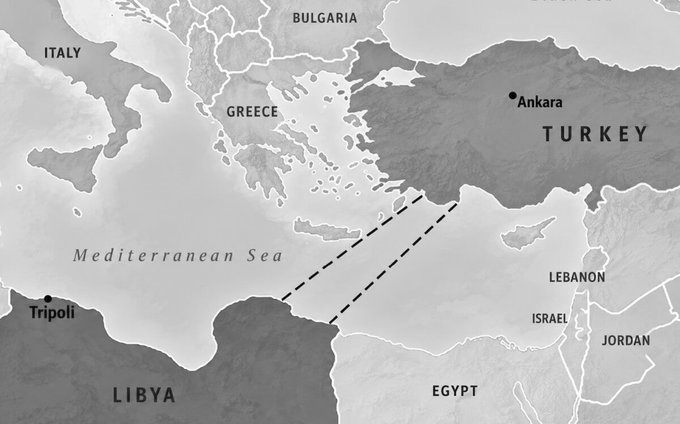
Libya’s eastern-based parliament unanimously approved a controversial maritime agreement with Türkiye on October 20, reversing its earlier opposition and reigniting tensions with Greece, Egypt and Cyprus over territorial claims and energy exploration in the eastern Mediterranean.
The House of Representatives, based in Tobruk and aligned with military commander Khalifa Haftar, endorsed the memorandum signed in Istanbul on November 27, 2019, by Türkiye and Libya’s then-Tripoli-based Government of National Accord, led by Fayez al-Sarraj.
Greece swiftly rejected the decision, maintaining that the agreement remains illegal and disregards the maritime rights of Greek islands, including Crete. Its Foreign Ministry said Türkiye and Libya lack opposite or adjacent coastlines that would provide a legal basis for delimiting maritime zones. Athens warned it would take appropriate measures to protect its sovereign rights.
Cyprus also condemned the vote, describing the memorandum as illegal, null and void. The European Union reiterated its opposition, saying the agreement infringes on the rights of third countries.
The deal establishes a boundary between the countries’ claimed exclusive economic zones (EEZs) and continental shelves, affecting potential access to offshore resources, including natural gas. Türkiye maintains that the arrangement respects international law and equitable delimitation principles, although it is not a party to the UN Convention on the Law of the Sea.
Türkiye welcomed the approval, which marks a significant shift in relations with eastern Libya. The parliament also repealed two resolutions adopted in 2020 that rejected agreements with Ankara and called for severing political ties.
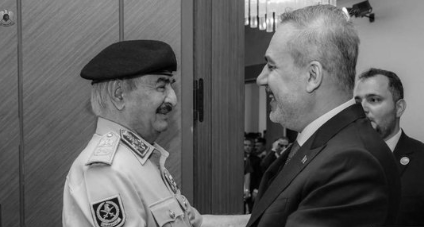
The decision follows years of improving relations between Türkiye and Haftar’s camp. Ankara previously backed the Tripoli government during the conflict, but has since expanded engagement with eastern Libya. Recent military contacts have raised the possibility of a greater Turkish military presence in the east.
Haftar’s son, Saddam Haftar, described the agreement as a tool to protect Libya’s economic interests. The Tripoli-based government, led by Prime Minister Abdul Hamid Dbeibah, also welcomed the vote. Dbeibah met Türkiye’s intelligence chief, Ibrahim Kalin, on Tuesday to discuss security, regional developments and migration.
Egypt, a longtime supporter of Haftar, also opposes the agreement. Cairo and Athens signed their own maritime deal in August 2020, establishing overlapping claims that Türkiye contests.
Libya remains divided between rival eastern and western administrations following the 2011 uprising that toppled Muammar Gaddafi. The latest vote brings the two camps closer on the maritime agreement but does not resolve the wider regional dispute.