
Learning from global water crises, India charts a more sustainable groundwater path
As several parts of the world grapple with severe groundwater collapse, India’s latest official assessment offers a contrasting and cautiously optimistic picture. Data presented in Parliament shows that the share of India’s over-exploited groundwater units has fallen sharply over the past eight years, underscoring the impact of sustained conservation and management efforts.
The experience of countries such as Iran and cities like Jakarta highlights the risks of unchecked groundwater extraction. In Iran, decades of over-pumping for agriculture and urban use have led to widespread aquifer depletion and alarming land subsidence. Large parts of the country are sinking as underground water reserves collapse, damaging infrastructure and threatening long-term water security. Similarly, Jakarta has emerged as one of the world’s fastest-sinking cities, largely due to excessive dependence on groundwater in the absence of adequate piped water supply. Over-extraction has caused severe land subsidence, saltwater intrusion and recurring floods, forcing authorities to consider relocating parts of Indonesia’s administrative functions away from the capital.
Against this global backdrop, India’s groundwater trends show signs of stabilisation. According to the Dynamic Groundwater Resource Assessment of 2025, the proportion of over-exploited groundwater units in the country has declined from 17.2 per cent in 2017 to 10.8 per cent in 2025. Over-exploited areas are those where groundwater withdrawal exceeds annual natural recharge, effectively extracting more than 100 per cent of available resources.
At the same time, the number of “safe” assessment units blocks, tehsils, talukas and mandals where groundwater extraction remains below sustainable limits has risen significantly. Safe units now account for over 73 per cent of assessed areas, up from about 63 per cent eight years ago. This shift reflects an overall improvement in groundwater balance at the national level.
The assessment also shows that India’s annual groundwater recharge has increased from 432 billion cubic metres in 2017 to 448.52 billion cubic metres in 2025. With extractable groundwater resources estimated at 407.75 billion cubic metres, the country’s overall stage of groundwater extraction stands at about 60.6 per cent, indicating that India, as a whole, is not over-exploiting its groundwater resources, even though stress persists in certain regions.
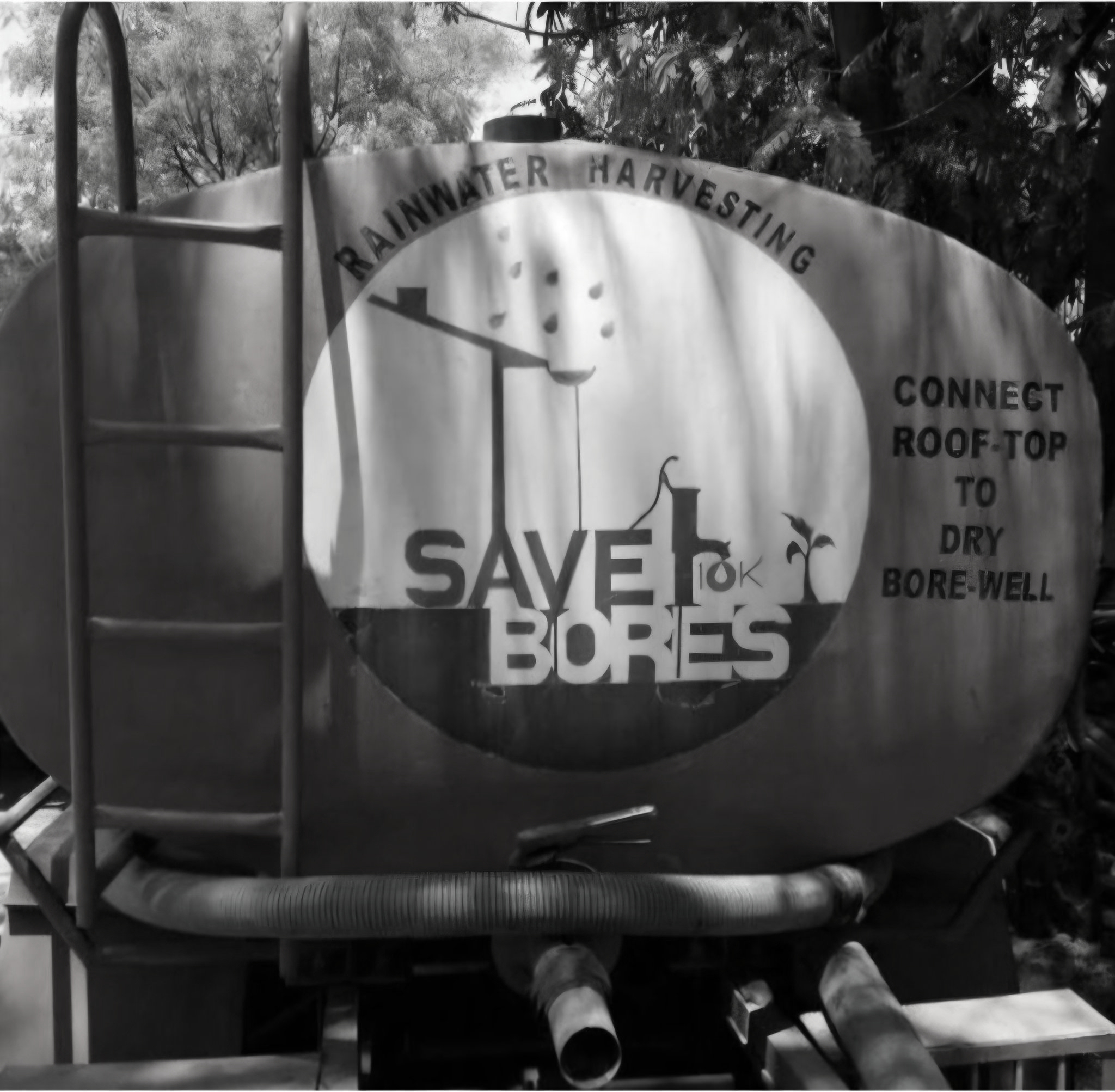
Experts note that the improvement is closely linked to a series of targeted government interventions. Programmes such as the Jal Shakti Abhiyan, Atal Bhujal Yojana, groundwater-related works under MGNREGA , aquifer mapping, rainwater harvesting initiatives and the promotion of micro-irrigation have collectively helped enhance recharge and reduce inefficient water use, particularly in water-stressed areas.
The categorisation of groundwater units ranging from safe to semi-critical, critical and over-exploited has enabled authorities to focus intensive conservation and regulatory measures where they are most needed, while promoting sustainable use in areas that are currently stable. This approach contrasts with the experience of Iran and Jakarta, where delayed regulation and excessive dependence on groundwater have led to structural damage that may be difficult to reverse.