
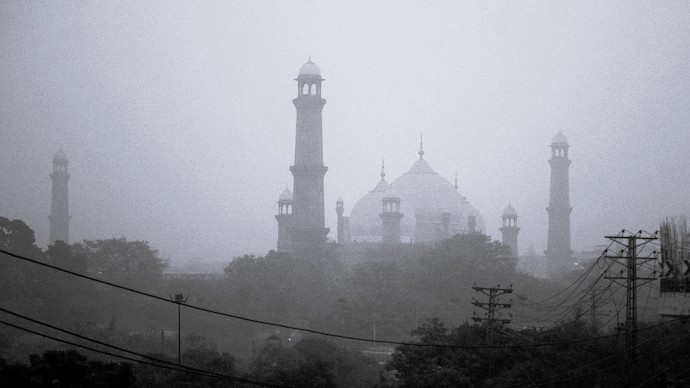
Lahore: The world’s most polluted city faces health and policy crisis
Lahore, Pakistan, has repeatedly topped global rankings as the world’s most polluted city, with AQI (Air Quality Index) levels frequently surpassing “hazardous” thresholds and endangering millions of residents. Recent data from late October 2025 shows AQI scores escalating to 312, with PM2.5 concentrations (the most harmful particulate matter) exceeding safe World Health Organization limits by over 25 times. In certain neighborhoods, the AQI soared above 505, signifying a citywide public health emergency that has triggered widespread hospitalizations and high alert across Punjab province.
National and Cross-border impact
Lahore's pollution is not an isolated phenomenon; other cities in Punjab, including Faisalabad and Multan, have also recorded hazardous air scores. Calm winds and high humidity often trap these pollutants near the ground, drastically reducing visibility and intensifying smog. This is part of a broader South Asian crisis: cities like Delhi, Dhaka, and Kathmandu face similar struggles, with air quality frequently ranking among the worst in the world. South Asia alone is estimated to suffer up to 2 million premature deaths annually due to air pollution, and Lahore residents are projected to lose an average of 7.5 years of life expectancy because of chronically unhealthy air.youtube
Devastating health effects
The toxic air, rich in pollutants such as PM2.5, nitrogen dioxide, carbon monoxide, and ozone, inflicts severe damage on residents’ health. Authorities have issued advisories for children, the elderly, and people with respiratory conditions to remain indoors. Symptoms like asthma attacks, persistent cough, throat and eye irritation, and even cardiovascular threats are widespread. The air in Lahore is reportedly as harmful as smoking nearly 8 cigarettes per day, with a high risk of asthma, chronic bronchitis, and heart problems for at-risk groups.
Social and Economic disruption
The persistent smog has repeatedly forced school closures and imposed “green lockdowns”, temporary bans on rickshaws, construction activities, and non-essential movements which, while vital for public safety, disrupt livelihoods and learning, especially among children. These disruptions highlight the deep social and economic impacts underlying the environmental crisis.youtube
Government and International response
The Punjab government has launched strict emergency action plans, including the use of anti-smog guns, water-spraying at construction sites, and severe penalties for illegal crop burning. A zero-tolerance approach is enforced against pollution sources like brick kilns, outdated vehicles, and unregulated industrial emissions.
More significantly, in 2025, the World Bank approved a $300 million loan to back the Punjab Clean Air Program (PCAP). This multi-faceted initiative seeks to reduce PM2.5 levels by 35% in the next decade and targets the key causes: introducing 600 electric buses, distributing 5,000 “super seeders” to reduce crop burning, expanding air quality monitoring, and building institutional capacity for enforcement. Public awareness campaigns and targeted advisories for vulnerable groups are also central to the effort. The program anticipates a greenhouse gas reduction of 35.6 million metric tons of CO2 over 12 years, directly linking smog mitigation to climate change solutions.
Community advocacy
Experts and activists stress that authentic progress demands a coordinated, year-round approach focusing not just on immediate weather conditions but on fundamentally transforming urban transport, industrial fuel standards, and agricultural practices. Environmental advocates also highlight the importance of women and community leadership in climate action and demand stronger government accountability and international support for sustainable urban living.youtube