
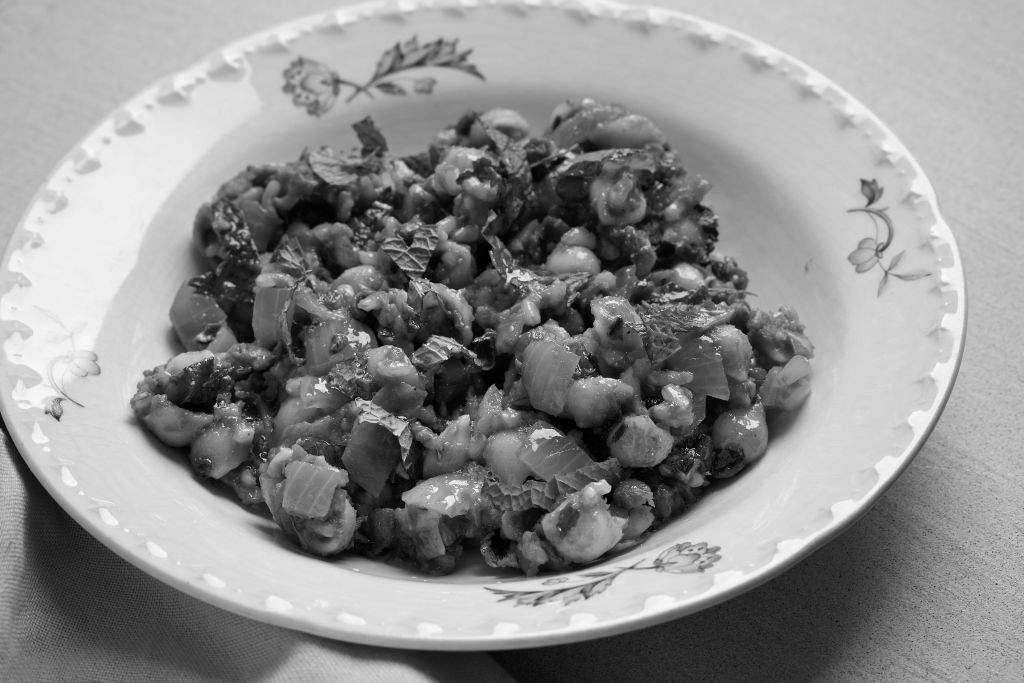
Koshary, a spicy Egyptian staple, earns UNESCO cultural heritage recognition
Koshary, Egypt’s beloved spicy dish made from lentils, rice, and pasta, has been recognised as an “Intangible Cultural Heritage” by UNESCO, a move highlighting Egypt’s ongoing efforts to promote its rich cultural and historical identity worldwide. The announcement comes just over a month after the opening of Egypt’s sprawling new antiquities museum, part of a broader push to attract tourists and spotlight the country’s millennia-old heritage.
Often associated with street stalls and vibrant restaurants, koshary has a complex history shaped by centuries of migration, trade, and cultural exchange. While popular legend suggests the dish was brought to Egypt from northern India by soldiers during the British occupation, its roots run far deeper. According to food researcher and archaeobotanist Hala Barakat, koshary’s ingredients arrived from multiple regions over thousands of years.
“Lentils came from the Fertile Crescent more than 5,800 years ago, rice from East Asia, tomatoes and chili peppers from the Americas, and pasta was added later,” Barakat explained. “These components came together over millennia. Its name may be Indian, but the Egyptian dish has its own form and even that varies from Alexandria to Aswan.”
Koshary today reflects Egypt’s regional diversity. Coastal areas often use yellow lentils, while Cairo and Upper Egypt prefer black lentils. Some households add boiled eggs, and in Sinai, a similar dish called ma’dous is common. Despite these variations, condiments such as vinegar, garlic, and hot sauce unite the dish, giving it its characteristic flavour.
The dish’s significance extends beyond its taste. Its plant-based ingredients make it suitable for fasting Coptic Christians , who avoid meat, dairy, and eggs during religious observances. Koshary’s combination of rice, lentils, and pasta also provides a nutritionally balanced, protein-rich meal for vegetarians, contributing to its enduring popularity among younger Egyptians.
Koshary rose to prominence in the 20th century, with restaurants and brightly decorated street carts proliferating near schools and transport hubs. “Any foreigner or visitor who comes to Egypt visits the Pyramids, visits the museum, and comes to Abou Tarek to eat koshary,” said Ahmed Shaker, public relations officer at the popular Cairo restaurant Abou Tarek, which has been serving the dish since 1963.
While inclusion on UNESCO’s intangible heritage list is mostly symbolic and does not provide direct financial benefit, it joins other internationally recognised dishes such as couscous, common across the Maghreb, and South America’s ceviche. Italian cuisine was also inscribed this year. For Egypt, koshary now joins ten previous inscriptions, including tahteeb, an ancient martial art using sticks, and Sirat Bani Hilal, an epic oral poem.
UNESCO’s new director-general, Khaled El-Enany, who previously served as Egypt’s minister of tourism and antiquities, has pledged to use his tenure to safeguard global cultural traditions. For Egyptians, koshary is more than a meal; it is a culinary emblem of national heritage , bridging ancient agricultural practices, regional tastes, and contemporary cultural identity.