
Kochi BRICS Meet Transforms Women’s Empowerment into a Development Blueprint
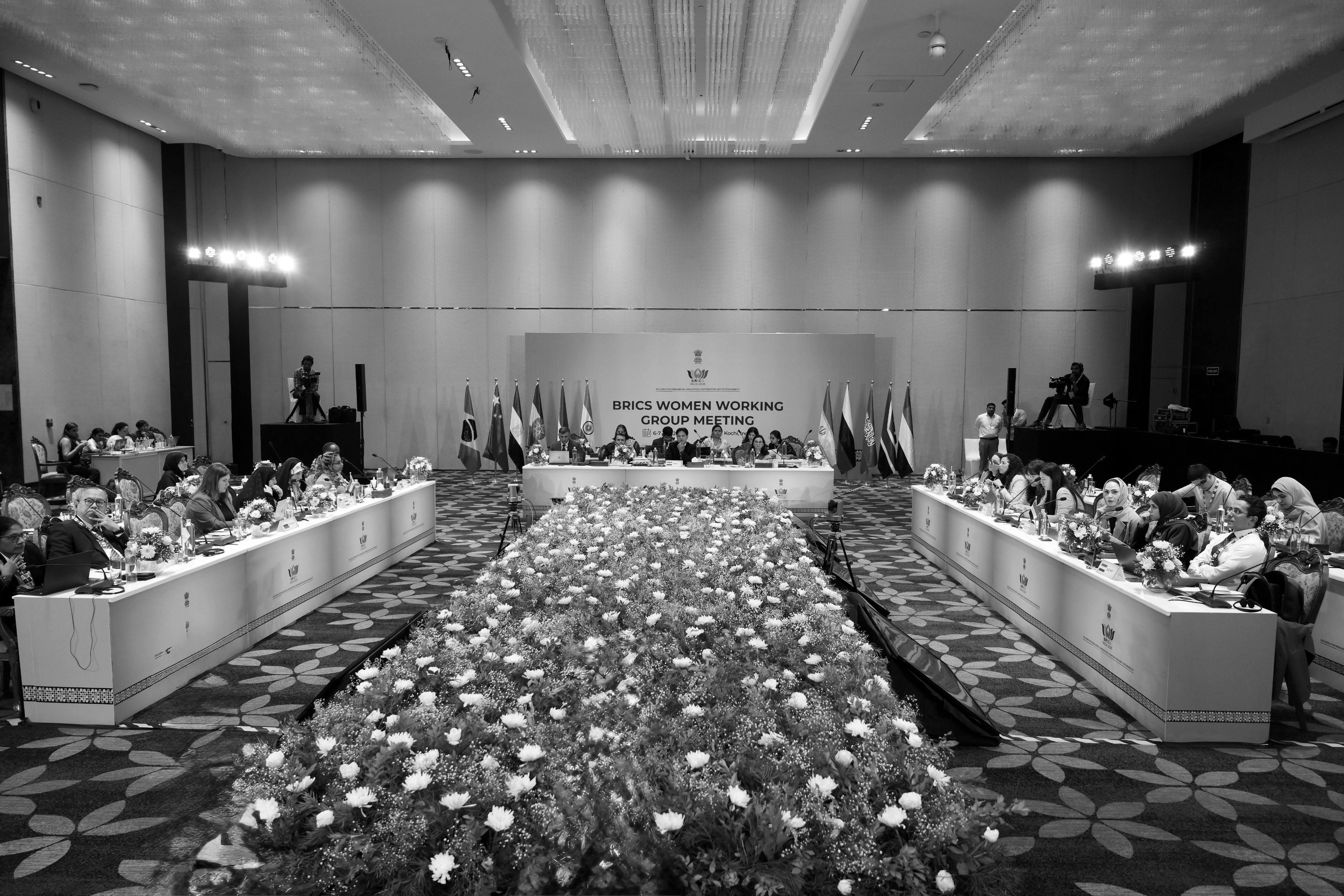
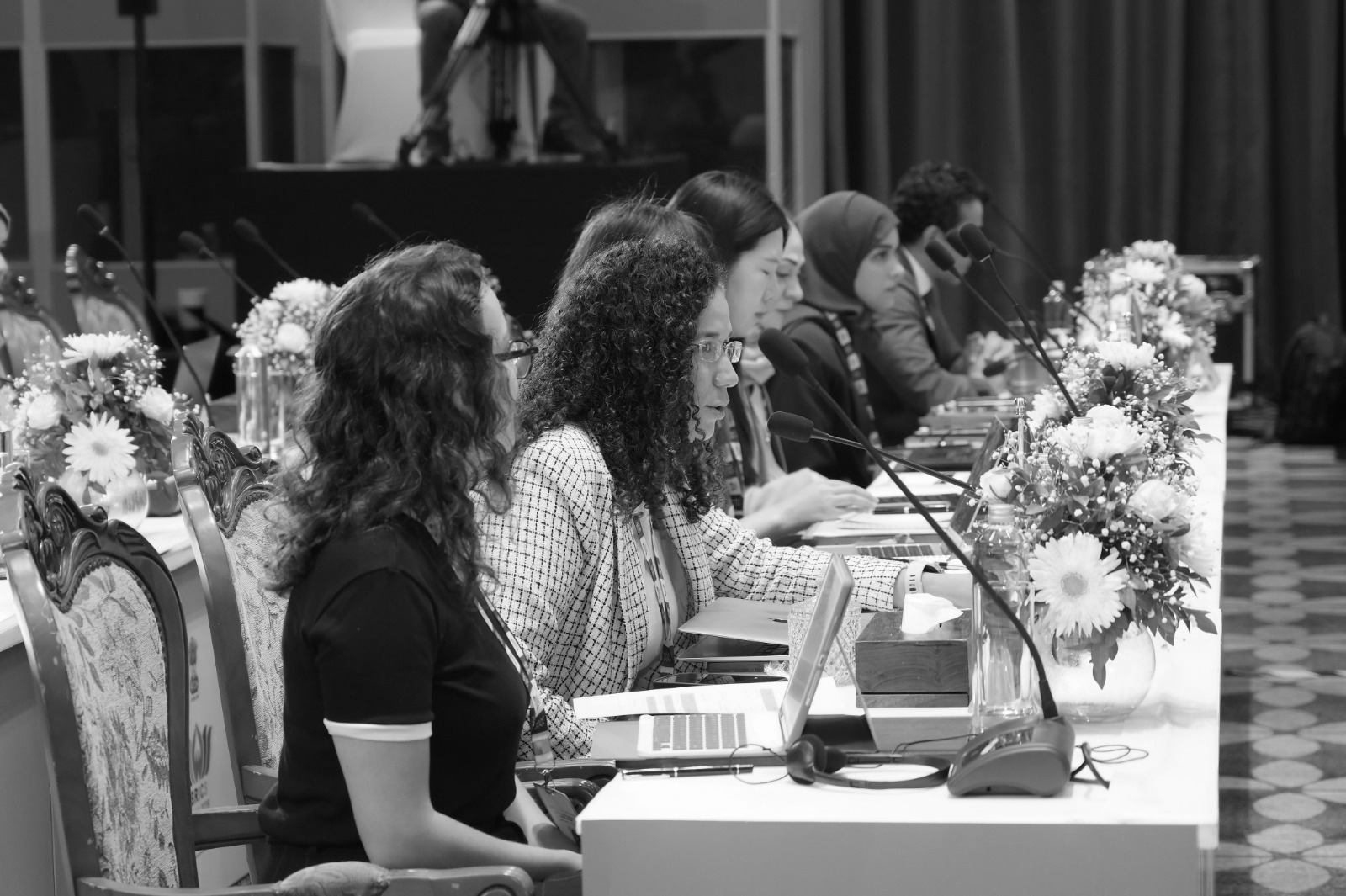
As senior officials from the world's leading emerging economies gathered in Kerala's coastal city of Kochi for the BRICS Women's Working Group (WWG) Meeting , the significance of the event extended far beyond a routine diplomatic engagement. Under India's BRICS Chairship 2026 , the two-day meeting has emerged as a platform for shaping a new development narrative, one that places women not at the margins of policymaking, but at the very center of economic growth, governance, innovation and sustainability.
The meeting, convened under India's Chairship theme, "Building for Resilience, Innovation, Cooperation and Sustainability," brings together representatives from the expanded BRICS grouping comprising Brazil, Russia, India, China, South Africa, Egypt, Ethiopia, Iran, Saudi Arabia, the United Arab Emirates and Indonesia . Collectively, these nations account for nearly half of the world's population and around 40 percent of global GDP , giving the discussions in Kochi considerable international relevance.
From Women's Development to Women-Led Development
Welcoming delegates, Anil Malik , Secretary, Ministry of Women and Child Development , underscored the shared commitment of member nations toward advancing women's empowerment despite geographical distances. His remarks reflected a broader objective guiding India's Chairship: transforming the conversation from women's welfare to women-led development .
This distinction is at the heart of the Kochi deliberations. For decades, global discussions largely approached women as beneficiaries of social welfare programs. India is now advocating a more transformative framework that views women as leaders, entrepreneurs, innovators and decision-makers capable of driving national and global development outcomes.
The approach aligns closely with one of India's most frequently articulated policy priorities in recent years—moving from "women's development" to "women-led development." The concept recognizes that sustainable growth cannot be achieved unless women are active participants in shaping economic, social and political systems.
The Four Pillars Guiding the BRICS Women Track
The Women's Working Group discussions are structured around four key pillars identified by India during its Chairship. These include women's governance and leadership , financial and digital inclusion , entrepreneurship and skill development , and women's role in climate action, food security and nutrition .
These priorities reflect challenges that continue to affect women across both developing and developed economies. Despite significant progress over the past few decades, women in many BRICS nations continue to face lower workforce participation rates, limited access to formal finance, underrepresentation in leadership positions, unequal access to technology and digital resources, and greater vulnerability to climate-related disruptions.
Closing the Economic and Financial Gap
One of the strongest themes emerging from the Kochi meeting is the growing recognition that economic empowerment remains central to achieving gender equality. Access to banking services, credit, digital payment systems and entrepreneurial opportunities can significantly alter the economic prospects of women and their families. For many developing countries, financial inclusion is no longer viewed merely as a social objective but as a key growth strategy.
BRICS nations are exploring ways to expand women's access to formal financial systems, strengthen economic participation and encourage women-owned enterprises, particularly in sectors that can generate employment and innovation.
Digital Inclusion as the New Frontier
Similarly, digital inclusion has become an increasingly important focus area. As economies rapidly digitize, unequal access to technology risks creating a new form of gender inequality. BRICS countries are therefore exploring ways to expand digital literacy, improve access to online services and ensure women are not left behind in the digital economy.
The sharing of successful digital governance models and technology-enabled inclusion programmes is expected to be a major component of future BRICS cooperation.
Entrepreneurship and Skills for a Changing Economy
The emphasis on entrepreneurship and skill development reflects changing global economic realities. Women-owned enterprises continue to face barriers in accessing finance, markets and business networks. Through greater cooperation among member countries, BRICS aims to identify successful models that can be adapted across different national contexts.
The broader objective is to equip women with the skills, resources and opportunities needed to participate more effectively in emerging industries and future-ready economies.
Women at the Centre of Climate Resilience
Another notable aspect of the discussions is the growing intersection between gender equality and climate policy. Women frequently bear the greatest burden during climate-related crises, food shortages and livelihood disruptions. At the same time, they often play a critical role in community resilience and sustainable resource management.
Recognizing this reality, the Working Group has prioritized women's participation in climate action , food security initiatives and nutrition programmes , areas that are becoming increasingly important amid rising environmental and economic uncertainties.
How BRICS Differs from Other Global Platforms
What distinguishes the BRICS platform from many other international forums is its emphasis on practical cooperation among emerging economies. Unlike several global institutions that primarily focus on declarations, resolutions and normative frameworks, BRICS increasingly seeks to facilitate the exchange of policy solutions that have demonstrated measurable results on the ground.
This approach is often described as South-South cooperation , where countries facing similar developmental challenges share experiences and best practices. Whether it is India's digital public infrastructure, Brazil's social protection initiatives, China's manufacturing-driven employment models or recent workforce participation reforms in parts of West Asia, member nations are looking to learn from one another's experiences.
Building a Framework for Long-Term Cooperation
The Kochi meeting is also part of a longer consultative process. Before the in-person gathering, the Women's Working Group held three preparatory virtual meetings on April 30, May 22 and June 29 , allowing member countries to refine priorities and build consensus on expected outcomes.
Among the major deliverables under discussion are a Digital Repository of Best Practices and BRICS Women's Capacity Building Guidelines . These initiatives are expected to serve as practical tools that enable governments to replicate successful interventions in areas such as leadership development, entrepreneurship, financial inclusion and digital empowerment.
Linking Policy with Business Opportunities
The discussions are also expected to strengthen engagement with the BRICS Women's Business Alliance , a mechanism established to promote women's participation in business, innovation, investment and global value chains.
By connecting policy frameworks with economic opportunities, the alliance seeks to create an ecosystem where women can contribute more effectively to national and international growth while benefiting from greater access to markets and networks.
What Happens After Kochi?
The outcomes of the Working Group meeting will feed directly into the BRICS Women's Ministerial Meeting scheduled in Kochi on July 8 and 9 . The ministerial gathering is expected to adopt a common roadmap aimed at advancing women's leadership and economic participation across the BRICS bloc.
For India, the event represents an opportunity to position women's empowerment as a cornerstone of the emerging Global South development agenda. For BRICS as a whole, it is an effort to demonstrate that gender equality is not merely a social objective but a strategic imperative linked to resilience, innovation and sustainable growth.
The Real Measure of Success
Ultimately, the success of the Kochi meeting will not be judged solely by the declarations it produces. Its lasting impact will depend on whether member countries can convert shared commitments into measurable improvements in women's access to leadership, finance, technology, entrepreneurship and climate-resilient opportunities.
If that happens, the discussions taking place in Kochi may well contribute to shaping a more inclusive development model for nearly half of humanity, one in which women are recognized not only as beneficiaries of progress, but as its architects.