
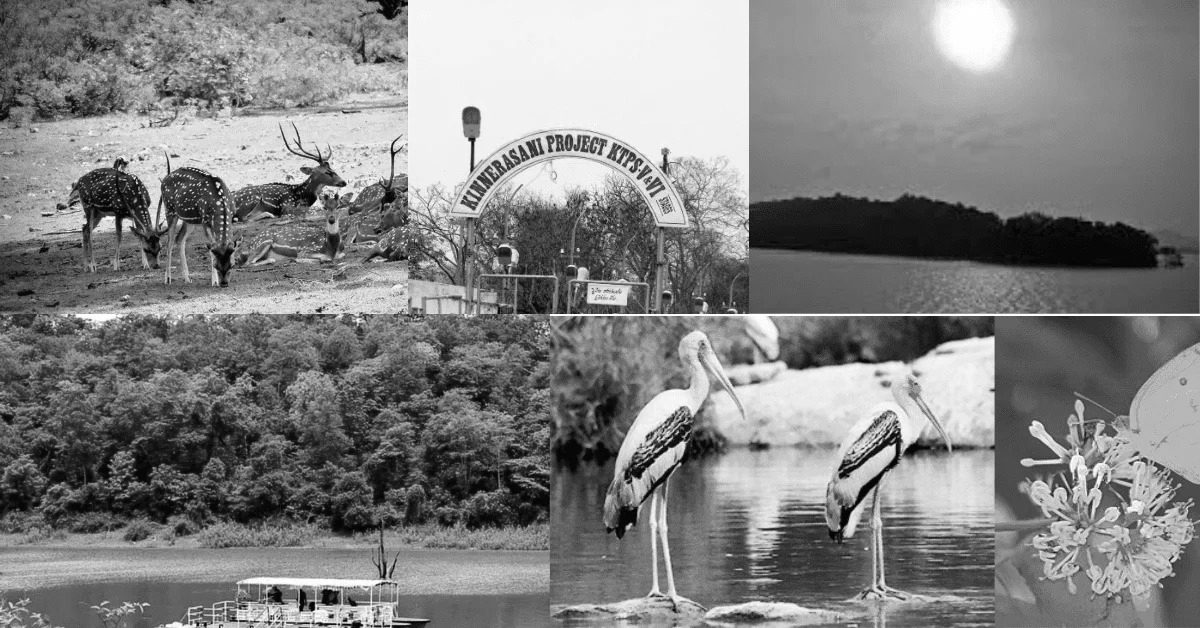
Kinnerasani Wildlife Sanctuary: A Comprehensive Overview
Kinnerasani Wildlife Sanctuary, located approximately 25 kilometers from the town of Bhadrachalam in the Bhadradri Kothagudem district of Telangana state, stands as a spectacular example of biodiversity spread across the Deccan Plateau region. Spanning a total area of 1,57,010 acres (approximately 635 square kilometers), the sanctuary occupies a dense, scenic forest area. Its proximity to the Eastern Ghats range lends it unique geographical and ecological characteristics. This region remains one of the most picturesque and ecologically significant destinations in the state.
The Kinnerasani River, a major tributary of the Godavari River, flows through the sanctuary, from which the sanctuary and its reservoir derive their name. This river acts as a lifeline for the wild fauna, ensuring a stable water source while contributing to the natural beauty of the sanctuary. The sanctuary’s unique geographical setting, combined with the presence of a natural lake and islands, provides visitors and researchers with unparalleled views and exploration opportunities. The reservoir plays a vital role in regulating the local climate, aids in the replenishment of groundwater, and promotes the growth of local flora and fauna.
Tropical Dry Deciduous Forests
Kinnerasani Wildlife Sanctuary primarily falls under the category of Tropical Dry Deciduous Forests. These forests are the most common type in the Telangana region. The vegetation here turns vibrant green during the monsoon season but is characterized by shedding its leaves to cope with water scarcity during summer. The dense canopy of the sanctuary is home to various tree species, among which Teak (Tectona grandis) is the most important.
Teak is the most widely available timber resource in these forests. Along with Teak, Bamboo also grows extensively. These natural forests serve as both food and habitat for wildlife. Other important tree species include Maddi (Terminalia alata), Jitregi (Dalbergia latifolia), Nallamaddi (Terminalia arca), Kondavepa (Melia dubia), Bijasal (Pterocarpus marsupium), and Kanuga (Pongamia pinnata), all of which provide valuable timber and medicinal properties. The vegetation provides food and shelter for birds and insects, maintaining the balanced ecosystem of the sanctuary. The dense forest floor is also covered with herbs, shrubs, and grass species, which serve as a food source for herbivorous animals. The vegetation in the river and lake catchment areas exhibits some diversity due to higher moisture and water availability.
One of the main attractions of this sanctuary is its diverse fauna. The dense scrub and canopy provide suitable habitats for a variety of mammals, reptiles, and birds. Among the most prominent and highly prioritized species for wildlife conservation here are Tigers and Leopards. Their presence is considered an indicator of the ecological health of the sanctuary. Large herbivores found extensively include Sambar Deer, Spotted Deer (Chital), and Blackbucks. Blackbucks are a rare sight in Telangana's forests, but they are present here in a significant number, adding to the sanctuary’s uniqueness. Other notable herbivores include Nilgai (Blue Bull), Four-Horned Antelope (Chousingha), Wild Boar, and Chinkara (Indian Gazelle). These herbivores serve as a food source for carnivores, thus balancing the food chain.
Symbol of Biodiversity
Among the carnivores, apart from Tigers and Leopards, Indian Jackals, Wild Dogs (Dholes), Hyenas, and Sloth Bears also inhabit the sanctuary. The sanctuary is also home to reptiles and amphibians. Various types of Snakes, Lizards, Crocodiles (especially in the Kinnerasani Lake), and Tortoises/Turtles can be found here. The presence of crocodiles is an important factor for ecological balance and the health of the water resources in Kinnerasani Lake. The sanctuary is also famous for its avian diversity, making it a paradise for birdwatchers. A large number of local bird species, including migratory birds, are visible here. Important species include Peafowls, Parakeets, Ducks, Storks, and various types of Owls.
The central attraction of the Kinnerasani Sanctuary is undoubtedly the Kinnerasani Reservoir. Constructed on the Kinnerasani River in the late 1960s, this reservoir added a new dimension to the natural beauty of the sanctuary. The lake is surrounded by a dense forest area, offering a tranquil scene. Notably, the lake features islands covered with dense forests. These islands provide more isolated and undisturbed habitats. The lake's water supplies many parts of the forest, providing relief to the wildlife even during the summer months. Boating and relaxing around the lake offer visitors a peaceful experience.
The period from June to October is considered the most suitable time to visit this sanctuary. Due to the influence of the Southwest and Northeast Monsoons, rainfall is recorded during these months, turning the landscape lush green and extremely beautiful. After the rains, humidity increases and temperatures drop, making the daytime weather pleasant. During this time, the rivers and the lake are full, enhancing the greenery and attracting birds and other animals towards the water sources. Conditions change after October; as the monsoon recedes, many wild animals (especially reptiles and some mammals like bears) retreat into their dens or dense habitats to prepare for the winter and summer seasons. Consequently, the chances of observing wildlife decrease, making visits from the winter to summer a bit more challenging.
Kinnerasani Sanctuary holds not only ecological but also several interesting human and cultural elements. The region is primarily inhabited by tribal communities of the Koya and Gond tribes. These tribes have lived off the forest resources for generations, and their lifestyle has a deep connection with the forest and its resources. They possess traditional knowledge in forest resource management and conservation. The region also holds spiritual and mythological significance. It is locally believed that some events from the Hindu epic Ramayana occurred in or near this forest area, connecting it to the famous Rama temple at Bhadrachalam. This spiritual link adds a sacred aura to the region.
The Deer Park is a special attraction, especially for children and those who wish to see wildlife up close. In this park, certain deer species like Blackbucks and Spotted Deer can be observed in a safe and confined environment. The Eco Park and the Environment Education Centre are designed to raise awareness about the importance of environment and forest conservation among visitors, especially students. These centres offer interactive ways to learn about nature. The Holiday Home Glass House near the reservoir is a unique attraction where visitors can enjoy scenic views of the forest and the lake.
Jungle Safaris for Children and Visitors
Jungle Safaris are among the main activities to undertake in the Kinnerasani Sanctuary, offering a chance to venture deep into the forest and observe wildlife in their natural habitat. Birdwatching and listening to the chirping of birds are highly stimulating for the mind. Due to the diversity of birds, the trip is very fulfilling for nature lovers. Nature Photography, along the routes permitted by the Forest Department, provides an excellent backdrop for enthusiasts to showcase their skills.
The conservation of Kinnerasani Wildlife Sanctuary is crucial for local ecological balance and for preserving the natural heritage of the Telangana region. Its dense forests play a vital role in rainfall, soil conservation, and regulating the local climate. It also contributes to the local economy through tourism.
Transportation, Accommodation, and Food
Since Kinnerasani Wildlife Sanctuary is a remote forest area, even though it is near Bhadrachalam, tourists should keep a few things in mind. The main hubs to reach the Kinnerasani Sanctuary and its main attraction, the Kinnerasani Lake, are Bhadrachalam and Kothagudem.
Transportation:
The nearest airport is Rajiv Gandhi International Airport (RGIA) in Hyderabad, approximately 300 kilometers away. From Hyderabad, one can take cabs (rental taxis) directly to Kinnerasani, or travel by train or bus to Kothagudem/Bhadrachalam, and then take local transport (cab or bus) to the sanctuary.
Bhadrachalam is about 25-30 km away. Telangana State Road Transport Corporation (TSRTC) government buses are available from Bhadrachalam and Kothagudem to nearby villages like Palvancha.
The nearest railway station is Kothagudem Railway Station (also referred to as Bhadrachalam Road Railway Station), located about 30 to 40 kilometers from the sanctuary. It is a major station connected to many key cities.
Buses to the main gate (check post) or the lake are limited. Therefore, hiring a cab (rental taxi) or an auto-rickshaw is the best option from the railway station. Private vehicles and rental cabs from Bhadrachalam or Kothagudem are the most convenient mode of transport, also useful for touring inside the sanctuary.
Accommodation:
Accommodation options are limited in the immediate vicinity of the Kinnerasani Sanctuary. It is advisable to rely on Bhadrachalam or Kothagudem for a comfortable stay.
Near the Sanctuary:
Forest Guest House/Holiday Home (Forest Department accommodation) facilities, like the Holiday Home Glass House, may be available near the Kinnerasani Lake. Their availability and booking procedures often change, so it is necessary to contact the Forest Department officials or the local tourism office in advance. Availability is very low. Outside the sanctuary, a few private resorts or cottages might be available in the surrounding areas, but their number is limited.
Bhadrachalam:
Numerous mid-range hotels and lodging facilities are available here, mainly catering to pilgrims visiting the Sri Seetaramachandra Swamy Temple. Since it is about 25 km from the sanctuary, it is easy to travel there in the morning and return in the evening.
Kothagudem: This is an administrative center, and some good hotels are available here, located about 30-40 km from the sanctuary.
Food:
Since Kinnerasani Sanctuary is a major forest area, a wide range of restaurants is not available, except for a few small shops or Forest Department-run canteens near the lake or parks. Small canteens selling common items like tea, snacks, biscuits, and packaged beverages may be available.
Recommendation:
If planning to spend a long time in the sanctuary, it is best to pack lunch and sufficient drinking water from Bhadrachalam or Kothagudem. Bhadrachalam has good restaurants offering local Andhra/Telangana cuisine and common South Indian breakfast items. Some vegetarian restaurants are prominent near the temple.
Suggestions for Tourists:
Always carry enough drinking water to quench your thirst while exploring the sanctuary.
Carry energy-boosting snacks (fruits, dry fruits) when planning to spend longer hours in the forest. When consuming packaged food, avoid littering plastic or waste in the forest; carry it back with you and dispose of it in the proper dustbin. To visit Kinnerasani, setting up a base in Bhadrachalam or Kothagudem and visiting the sanctuary by cab or private vehicle is the most convenient method.