
Killer cough syrups expose India’s regulatory failures, children pay the price
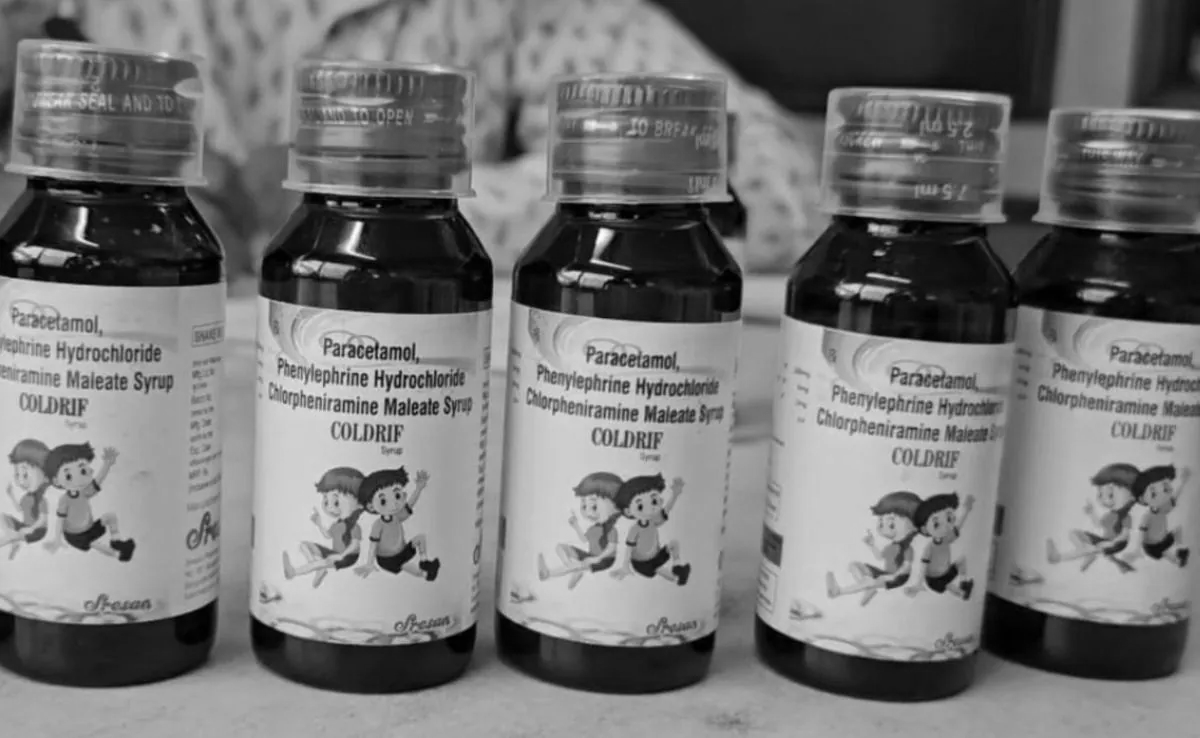
The tragic deaths of children in Madhya Pradesh and Rajasthan after consuming contaminated cough syrups have once again thrown India’s pharmaceutical regulatory system into the spotlight. The Tamil Nadu and Madhya Pradesh governments recently banned the sale of the cough syrup Coldrif and ordered its immediate removal from the market following reports linking it to the deaths of 11 children,nine in Chhindwara district of Madhya Pradesh and two in Rajasthan.
The ban, effective from October 1, followed inspections by the Food Safety and Drug Administration (FSDA) at the manufacturing facility of Sresan Pharmaceuticals, a privately owned company in Sunguvarchathram, Kancheepuram district. Samples collected were found adulterated, prompting authorities to halt production until the company provides a satisfactory explanation. The syrup, distributed across Rajasthan, Madhya Pradesh, and Puducherry, is now under laboratory scrutiny for diethylene glycol (DEG), a toxic industrial solvent linked to kidney failure. The Union Health Ministry has also issued advisories against prescribing cough and cold medicines to children under two years.
This is not an isolated crisis. India has a long history of toxic cough syrup incidents, highlighting systemic regulatory gaps and enforcement failures. In 2022, Maiden Pharmaceuticals (Haryana) and Marion Biotech (Delhi) exported contaminated cough syrups to the Gambia and Uzbekistan, causing dozens of child deaths. The World Health Organization (WHO) issued alerts, identifying DEG and ethylene glycol (EG) in the syrups, but both companies faced minimal consequences. Maiden Pharmaceuticals continued to manufacture and export other pharmaceutical products, while Marion Biotech resumed operations in other divisions after a temporary suspension. Criminal charges, financial penalties, and permanent licence revocations were largely absent; the fallout remained reputational rather than regulatory.
Investigations in both cases revealed serious quality control deficiencies. Expired solvents, lack of testing for toxic chemicals, and poor documentation were widespread. In Marion Biotech’s case, raw material supplier Maya Chemtech India, which provided questionable propylene glycol, bore temporary scrutiny, highlighting the weak enforcement of accountability across the supply chain. Indian regulatory authorities often report “clean chits” when domestic testing fails to detect contaminants, even if WHO or foreign reports document severe toxicity and deaths. This fragmented regulatory ecosystem allows companies to evade legal action when fatalities occur abroad, creating a dangerous precedent: reputational damage may occur, but business operations continue.
The recent deaths in Madhya Pradesh and Rajasthan, now linked to Coldrif syrup, underscore the urgent need for systemic reform. Experts stress stricter enforcement measures, including permanent revocation of manufacturing licences, immediate recalls, monitoring of raw materials, and robust laboratory testing to prevent further tragedies. Until such steps are taken, children remain the silent victims of a regulatory system that repeatedly fails to hold pharmaceutical companies accountable.