
Kerala HC Questions Elephant Possession Order, Seeks Response from Centre and State
The Kerala High Court has sought responses from the Centre and the state government on a Public Interest Litigation (PIL) challenging a recent order that allows fresh declarations of possession of elephants and elephant-derived articles. The case raises critical questions about wildlife law compliance, ownership regularisation, and animal welfare , potentially reopening a long-standing legal debate over captive elephants in Kerala.
The petition, filed by Walking Eye Foundation for Animal Advocacy, contests a March 2026 government order granting a 45-day window for individuals to declare possession of animals, trophies, and articles, including those derived from Schedule I species such as elephants. The NGO argues that while the provision is framed as a disclosure mechanism, it could function as an indirect route to ownership recognition , especially for those currently lacking valid documentation.
At the centre of the legal dispute is the distinction under the Wild Life (Protection) Act, 1972 between declaration of possession and grant of ownership certificates . The petition contends that the state’s order blurs this boundary, effectively enabling individuals to regularise illegal possession a move it says contradicts binding directions of the Supreme Court of India.
The Supreme Court, in a series of interventions beginning in 2015 and reinforced in 2016, had mandated strict registration of captive elephants and discouraged any fresh issuance of ownership certificates. It emphasised that elephants without valid documentation could be subject to confiscation and legal action , underscoring that illegal possession cannot be legitimised through administrative measures.
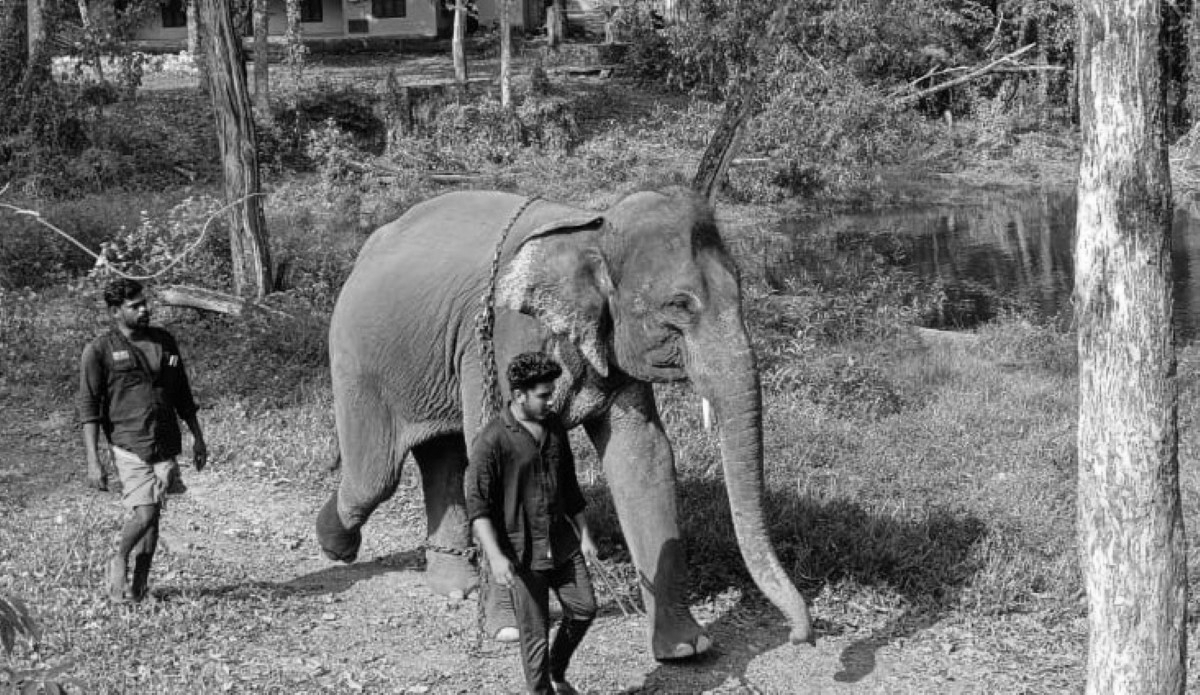
Data placed before the court highlights the scale of the issue. Kerala currently has 388 captive elephants , of which only 39 are under the Forest Department , while 349 remain in private custody . The PIL points out that a significant number of these privately held elephants lack valid ownership certificates , raising concerns that the new declaration window could provide a pathway to formalise such holdings.
The case also draws attention to persistent concerns flagged by courts over the years regarding non-compliance with wildlife laws . The High Court, in previous rulings, has observed gaps in enforcement and warned against policy decisions that could dilute Supreme Court directions. It has also repeatedly emphasised the need for stricter oversight of captive elephants, noting instances where their possession appeared legally questionable.
Beyond legality, the issue is deeply tied to animal welfare concerns . Kerala’s captive elephants, widely used in temple festivals and public events, have been at the centre of criticism over harsh living conditions, prolonged working hours, exposure to heat, crowds, and fireworks , and inadequate veterinary care. Judicial observations in recent years have described the condition of captive elephants as deeply troubling, with multiple deaths and recurring violations prompting continued court intervention.
At the same time, elephants occupy a significant cultural and religious role in Kerala, particularly in major festivals such as Thrissur Pooram , where they are central to ceremonial displays. This has created a complex policy environment where tradition and livelihood interests intersect with conservation law and welfare obligations .
The present PIL introduces a broader constitutional question whether a state government order can effectively dilute the intent of central legislation and Supreme Court rulings . The petitioner has termed the 2026 order a “colourable exercise of power” , arguing that while it appears administrative in nature, it may undermine statutory protections and judicial mandates.
The High Court has issued notices to the Union Environment Ministry, the Kerala government, and the Animal Welfare Board of India, seeking their responses. The matter is scheduled for further hearing on June 1 .
The outcome of the case is expected to have far-reaching implications—not only for the regulation of captive elephants in Kerala but also for how India balances wildlife protection laws with cultural practices and administrative policy decisions .