
Kerala Government Moves to Shift Historic Thiruvananthapuram Zoo Outside City
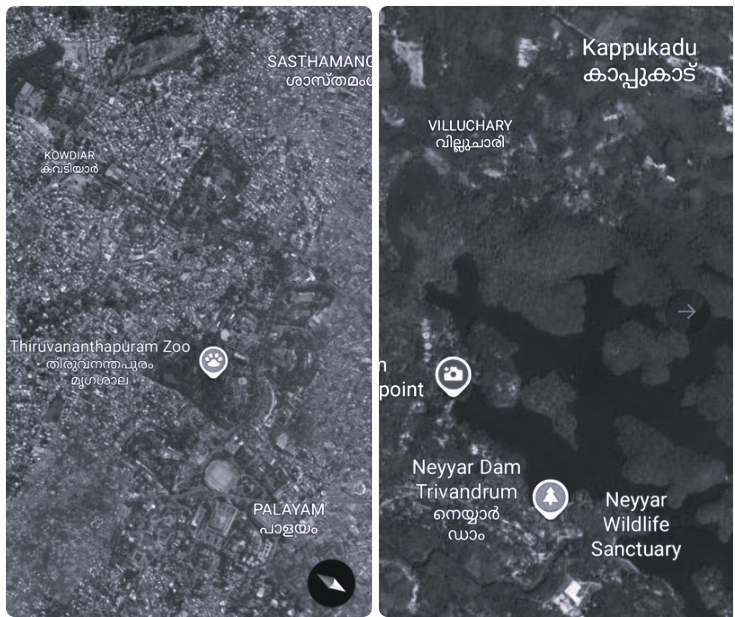
The Congress-led UDF government in Kerala is moving ahead with its proposal to relocate the historic Thiruvananthapuram Zoo from the heart of the state capital to a larger, forest-adjacent location around Neyyar, despite opposition from the CPI(M). Health Minister K. Muraleedharan on Friday said the relocation would be implemented smoothly, arguing that a site near Neyyar Dam would give animals more space and a better environment, while rejecting allegations that commercial interests were driving the proposal.
Chief Minister V. D. Satheesan had earlier suggested shifting the zoo to locations such as Neyyar or Palode, arguing that a larger facility outside the city could provide more naturalistic habitats and modern conservation infrastructure. The government has also indicated that the existing premises could eventually be transformed into a major public space. Muraleedharan cited disturbances from events around Kanakakkunnu and Nishagandhi, saying urban noise was unsuitable for animals.
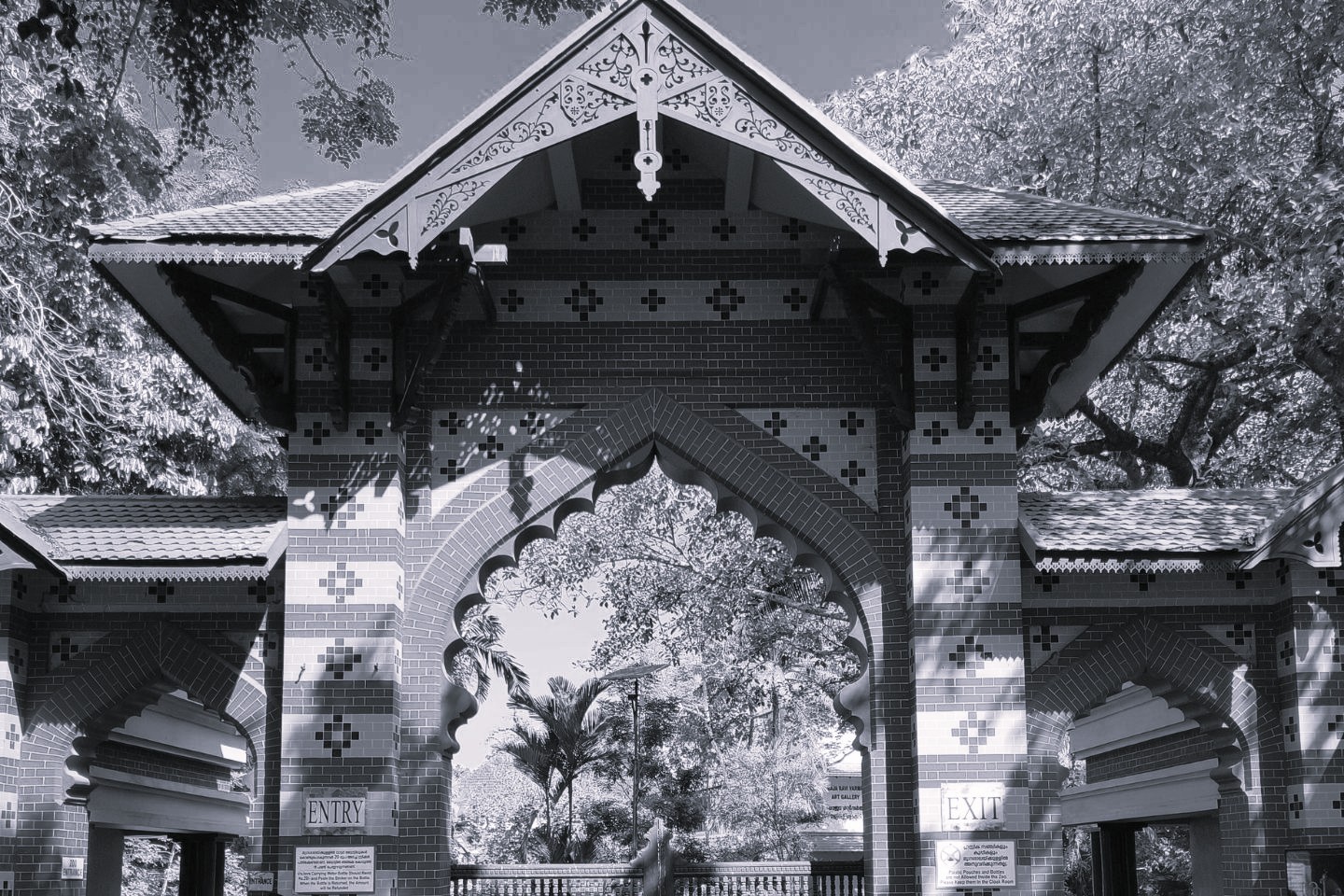
The zoo has a history stretching back more than 160 years. A committee was formed in 1855 during the Travancore era, while the museum opened in 1857 and the zoo and public gardens were established in 1859. The wider Museums and Zoo Complex covers about 55 acres, with the zoological garden occupying roughly 30 acres. The Central Zoo Authority describes it as the oldest zoo in India that remains at its original location.
The existing facility has not remained unchanged. Its modernisation programme began in 1995-96, replacing older cages with spacious, open-moated and more naturalistic enclosures. The zoo receives around 14 lakh visitors annually, participates in conservation breeding programmes, including for the lion-tailed macaque, and operates veterinary and rescue facilities. Its campus also contains a natural lake, wooded areas, more than 100 plant varieties and habitats supporting 93 species of free-ranging birds.
The government argues that the site's long-standing space constraints, also recognised in the CZA's 2014-15 to 2034-35 master plan, make a new facility necessary. Reports indicate that locations including Neyyar, Peppara, Nedumangad, Aruvikkara, Vithura and Kattakkada are being examined, with the potential project cost estimated at around ₹500 crore.
The CPI(M), however, argues that the zoo is part of Thiruvananthapuram's heritage, culture and urban green cover. Former mayor V. K. Prasanth has also questioned the future of the valuable city-centre land and called for wider public consultation. The allegation of commercial interests has been rejected by the government.
Kerala's recent Puthur Zoological Park in Thrissur, spread across roughly 336-340 acres and developed at a reported cost of about ₹360-369 crore, provides a relocation precedent. But a Neyyar project would face additional scrutiny over environmental impact, forest proximity, biosecurity, water, waste management, connectivity and statutory clearances.
The relocation debate therefore extends beyond the animals themselves. The government must establish the feasibility and cost of a new zoo while providing clarity on the future of the existing 55-acre complex, animal transfers and environmental safeguards. The Chief Minister is expected to announce further details on the proposed site and the existing premises.