
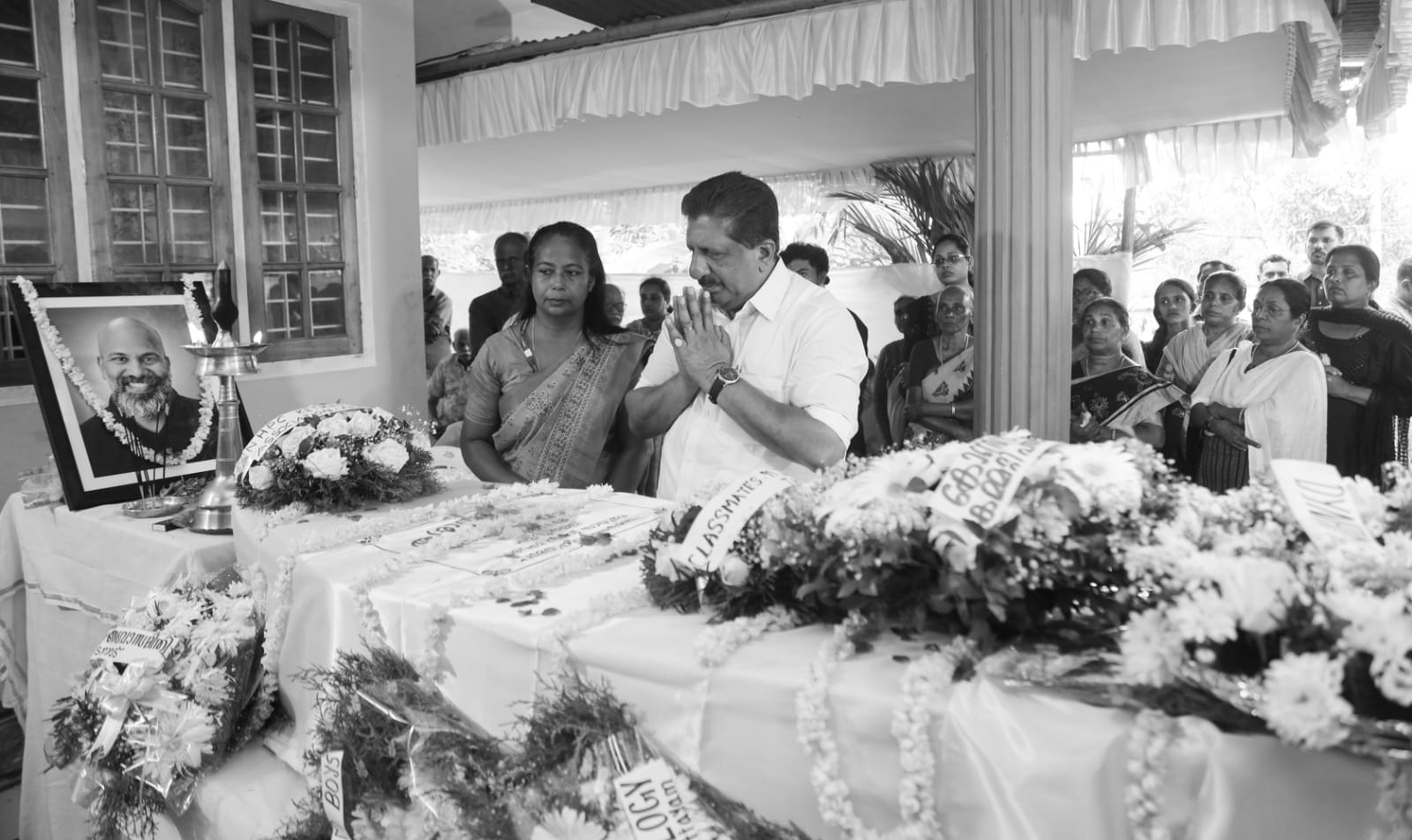
Kerala Geologist Killed in Sikkim Tunnel Collapse Brought Home
After nearly four days of relentless rescue efforts in hazardous conditions, the body of Aneesh Mohan, a Kerala-based Senior Manager (Geology) with NHPC, is being brought home following the deadly Sikkim tunnel collapse that claimed 25 lives. The tragedy has once again drawn attention to the risks associated with underground infrastructure projects in the geologically fragile Himalayan region and intensified calls for stronger worker safety measures.
According to the Kerala Chief Minister's Office (CMO), the body of the 43-year-old geologist, a native of Pampady in Kottayam district, is scheduled to arrive at Kochi International Airport on Saturday morning. Recovered late on Thursday after an intensive rescue operation, the body was transported by road from Sikkim to Kolkata, where NORKA (Department of Non-Resident Keralites Affairs) arranged a special mobile embalming unit before it was flown to Kochi on an Air India flight. An ambulance has also been arranged to transport the mortal remains to his hometown for the last rites.
The accident occurred on July 20 inside the Head Race Tunnel of the under-construction 500 MW Teesta Stage-VI Hydroelectric Project at Samardung in Namchi district, Sikkim. Preliminary investigations suggest a sudden release of methane gas trapped within the rock strata triggered an explosion, filling the tunnel with toxic gases, including carbon monoxide and hydrogen sulphide, before causing the collapse. The presence of poisonous gases, unstable debris and poor visibility made the nearly 96-hour rescue operation extremely challenging for teams from the NDRF, SDRF, Indian Army, NHPC and mining rescue specialists. The Sikkim government has ordered a high-level inquiry into the incident.
Aneesh Mohan, who had served with NHPC since 2011, was part of the geological team assessing underground conditions at the project. Following the recovery operation, NHPC announced an ex gratia payment of ₹5 lakh to the families of each deceased victim. The tragedy has renewed calls for continuous gas monitoring, advanced geological assessments and stricter safety protocols as India expands hydropower projects in the seismically sensitive Himalayan region.