
Kerala assembly legalises traditional cattle races - a revival with caveats
In a swift and contested move, the Kerala Assembly this week passed the Prevention of Cruelty to Animals (Kerala Amendment) Bill, 2025, giving legal sanction to traditional cattle races such as Kalapoottu / Maramadi, Kannupoottu, Uzhavu and Pothottam. The bill, introduced and voted through on the same day, creates a state-level exemption from the Central Prevention of Cruelty to Animals Act for these events, while laying down permission and veterinary-clearance requirements.
Background: revival after legal bans Cattle races in Kerala were once a fixture of post-harvest festivals. Over the last decade they ran into legal trouble after court rulings and central legislation tightened prohibitions on events seen as potentially cruel to animals. The most visible flashpoint nationally was the Jallikattu controversy in Tamil Nadu which triggered mass protests in 2017 and ultimately a state amendment to allow the practice under conditions followed by Karnataka’s moves to recognise Kambala. Kerala’s new law follows those precedents and explicitly invokes preservation of agricultural culture, protection of native breeds and safeguarding livelihoods as its aims.
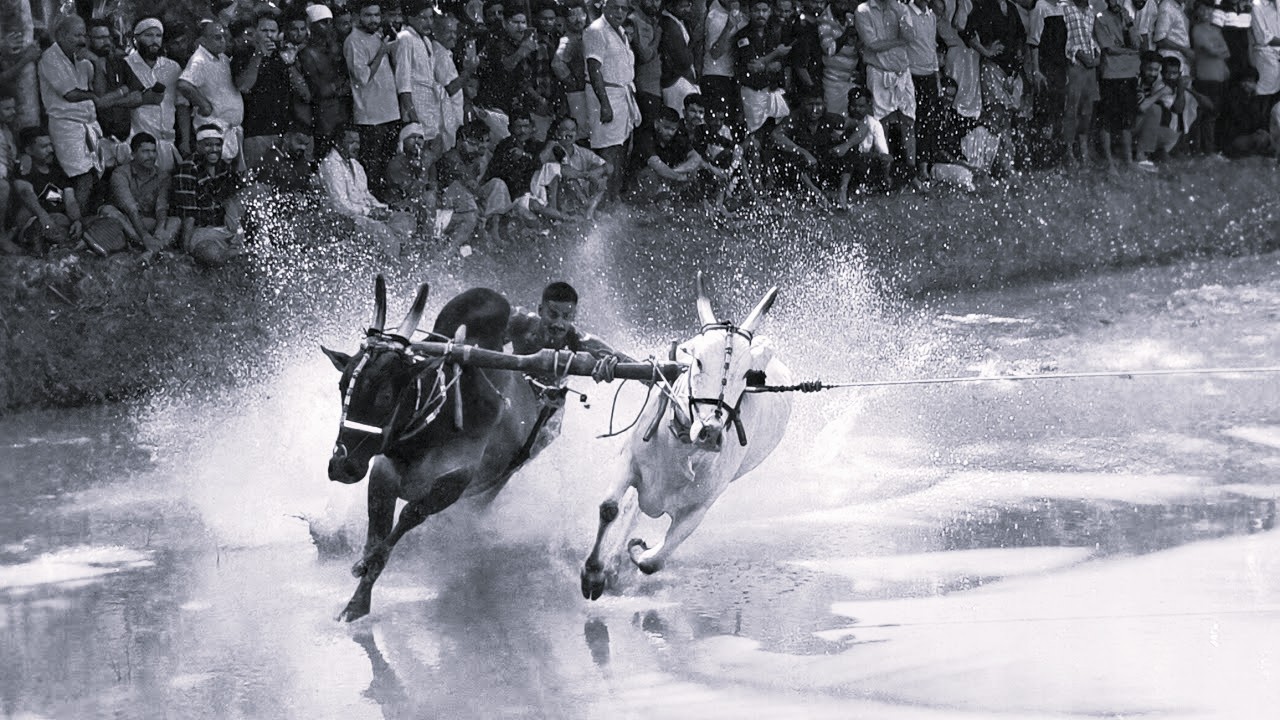
What the tradition looks like Maramadi or Kalapoottu typically takes place in water-logged paddy fields after monsoon harvests. Teams of bullock pairs, tended by their owners, sprint across a short flooded track while handlers guide them; sometimes riders work with poles or plough-handles. Events are communal, tied to harvest thanksgiving and local temple calendars, and attract crowds — from farmers betting on prize animals to families watching the spectacle. Organisers stress the cultural link: animals are central to agrarian life and the races were traditionally a way to display strength, speed and breeding quality.
Where the bill aims to draw lines Kerala’s amendment allows district collectors to grant permissions, requires veterinary checks and empowers the state to frame rules on conduct, safety and penalties. Supporters say these safeguards will allow the revival of a living tradition without repeating past excesses. The PRS draft and the Assembly note frame the move as conservationist aimed at protecting indigenous bovine breeds that might otherwise be neglected.
Pros: culture, livelihoods, breed conservation Proponents argue the law restores a centuries-old rural cultural marker, bolsters incomes for bull-keepers and breeders, and creates an official framework that can professionalise events (medical tents, animal welfare oversight, insurance). They point to the social value of community festivals and to examples in other states where regulated conduct has allowed events to continue.
Cons: cruelty risks, enforcement and legal vulnerability Animal-welfare groups and critics warn that cosmetic rules cannot eliminate inherent risks: injuries to animals and people, coercive training practices, and the use of stimulants or irritants. Critics also flagged the hurried legislative process in the Assembly and expect immediate legal challenges as happened repeatedly in the Jallikattu and Kambala cases. Local police have already acted against illegal races this year, underscoring on-ground enforcement challenges.
A delicate balancing act Kerala’s move joins a broader pattern across southern states: the attempt to reconcile cultural pride and rural economy with legal obligations and animal welfare standards. The success of the policy will hinge on transparent rule-making, rigorous veterinary oversight, public reporting and independent monitoring and on whether courts accept the constitutional footing of state exemptions in future litigation. For many villages, the races are not nostalgia but an economic pulse; for animal-welfare campaigners, they remain a test of how tradition and modern ethical norms can be squared.