
Keir Starmer Out: UK PM Resigns, Andy Burnham Set to Succeed Him as Labour Begins Leadership Transition
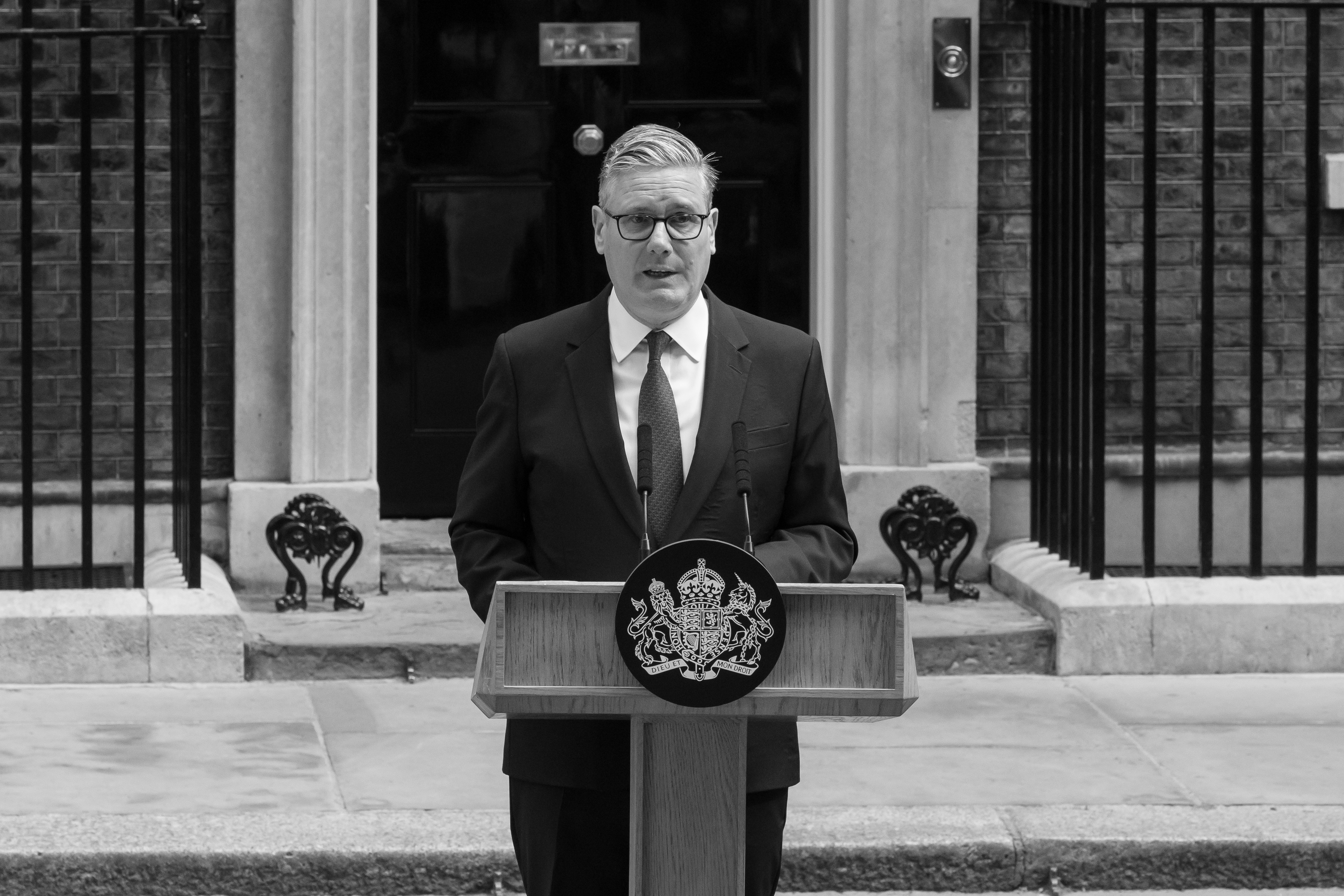
Keir Starmer on Monday announced his resignation as British Prime Minister and Leader of the Labour Party , stepping down from the post barely 23 months after winning one of the most emphatic election mandates in modern British history. Standing outside 10 Downing Street , a visibly emotional Starmer said the question of whether he was still the right person to lead Labour into the next election had been answered by his parliamentary party, and that he accepted it “with good grace.”
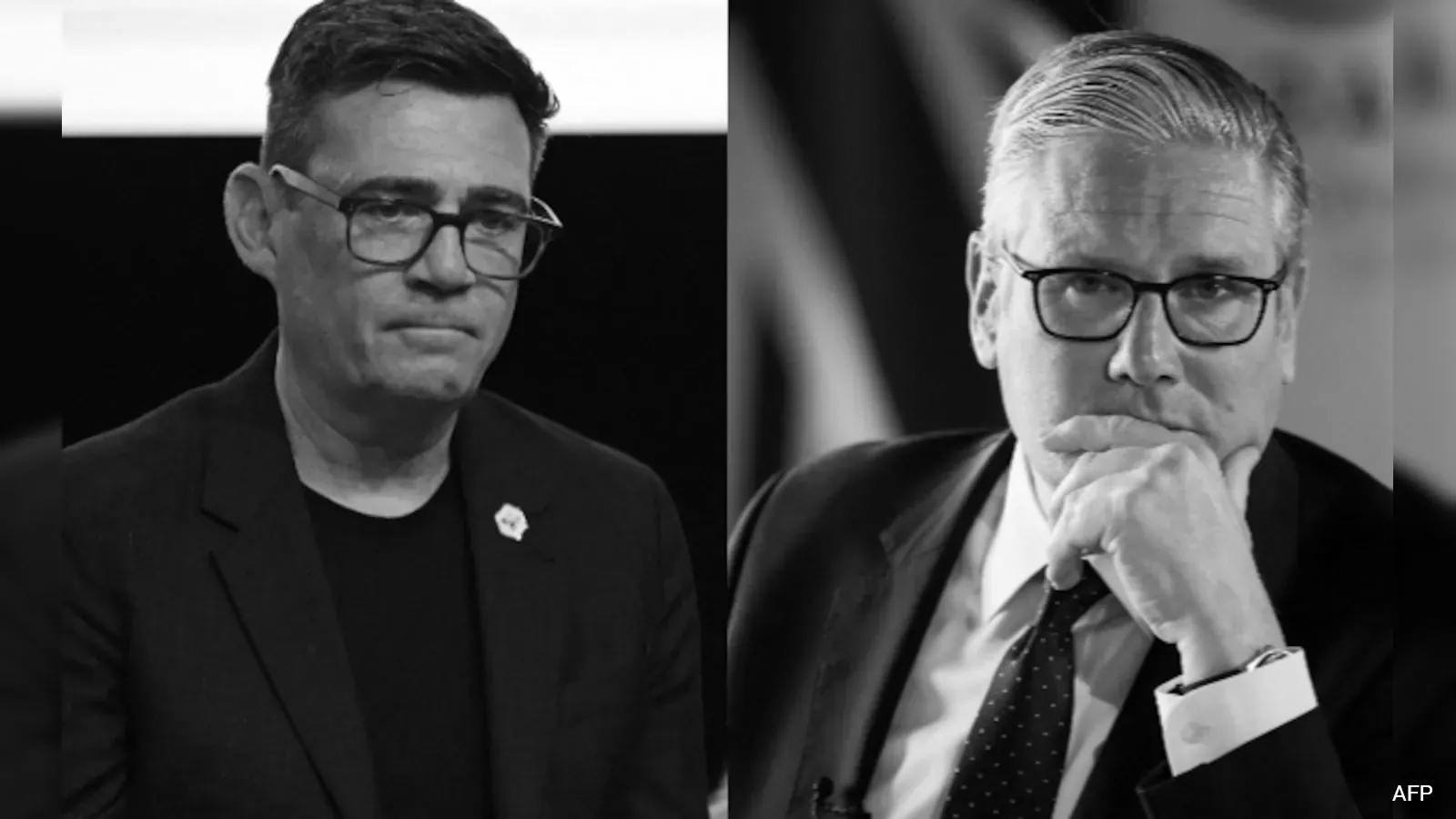
Within hours, former Greater Manchester Mayor Andy Burnham confirmed he would enter the race to succeed Starmer, posting on social media that he would put himself forward as part of the process. Burnham thanked Starmer for his service and said the resignation marked the start of a transition that needed to be handled in an orderly and responsible way. He struck a steadying tone, pledging stability and a continued focus on growth, cost of living, public services, housing, and opportunities for younger generations , while stressing that political change should not distract from the job of improving people’s lives.
Burnham’s path was strengthened almost immediately when former Health Secretary Wes Streeting , himself seen as a potential contender, threw his support behind him. With Streeting out of the race and backing Burnham, the contest looks increasingly likely to be resolved without a drawn-out fight, possibly clearing the way for Burnham to take over without a prolonged leadership ballot.
Starmer’s resignation comes almost 10 years to the day since Britain voted to leave the European Union , and his successor will be the country’s seventh leader in that turbulent decade. He told reporters he had spoken to King Charles III on Monday morning to inform him of the decision and said nominations for the Labour leadership would open on July 9, with the process to conclude before Parliament rises for its summer recess on July 17.
Starmer led Labour to a landslide victory in the July 2024 general election, winning a 174-seat majority in the House of Commons after 14 years of Conservative rule. Yet the promise of stability proved short-lived. He struggled to deliver economic growth , repair public services, or ease the cost of living, and was hamstrung by repeated missteps, most notably his decision to appoint Peter Mandelson as UK Ambassador to the United States.
Documents that emerged in September 2025 revealed the depth of Mandelson’s ties with Jeffrey Epstein . A second batch of emails made public in January 2026 suggested Mandelson had passed on sensitive government information to the disgraced financier in 2009 while serving in the Cabinet. Mandelson has since been arrested and questioned on suspicion of misconduct in public office, though he has not been charged.
Labour lost more than 1,000 council seats in local elections in May, widely interpreted as a public repudiation of Starmer’s leadership. The final blow came last week when Burnham won a by-election in Makerfield with the explicit aim of challenging Starmer for the Labour leadership.
On the international stage, Starmer’s record was considerably more assured. He is credited with rallying European support for Ukraine and managing the fallout of the US-Iran conflict , and European Commission President Ursula von der Leyen said European and Ukrainian security had been strengthened because of him. His relationship with US President Donald Trump , initially warm, had soured badly over the Iran war. On Monday, Trump claimed Starmer had failed on immigration and energy.
For India, Starmer’s brief tenure was nonetheless consequential. In July 2025, the two countries signed the India-UK Comprehensive Economic and Trade Agreement (CETA) after more than three years of negotiations, with the deal removing tariffs on 99 per cent of UK imports from India and bilateral trade projected to reach USD 120 billion by 2030. Starmer visited Mumbai in October 2025 with a 125-member delegation, and the two governments launched the UK-India Technology Security Initiative and a Vision 2035 roadmap for cooperation in trade, defence, climate, and education.
Starmer will remain caretaker Prime Minister until the Labour contest concludes.