
Keir Starmer Faces Internal Revolt After Election Losses, Minister Resigns Amid Pressure
British Prime Minister Keir Starmer is facing growing internal pressure after disappointing local election results, even as he insists he will remain in office and focus on governing.
At a Cabinet meeting in London, Starmer accepted responsibility for what he described as “disastrous” election outcomes but rejected calls for his resignation. He said Labour has a formal mechanism for challenging its leader, adding that the required threshold of support from 20% of MPs has not been reached.
“The country expects us to get on with governing. That is what I am doing,” he told ministers, warning that political instability had an “economic cost” for families.
Pressure intensified after junior housing minister Miatta Fahnbulleh resigned, becoming the first government member to quit following the elections. In her resignation letter, she urged Starmer to “do the right thing for the country” and set out a timetable for an orderly leadership transition. She said Labour had failed to deliver the “vision, pace and mandate for change” promised to voters and lacked clarity on values and conviction.
The resignation followed reports that former minister Catherine West had begun gathering support for a possible leadership election timetable, potentially targeting September. Under party rules, at least 81 MPs are needed to trigger a challenge.
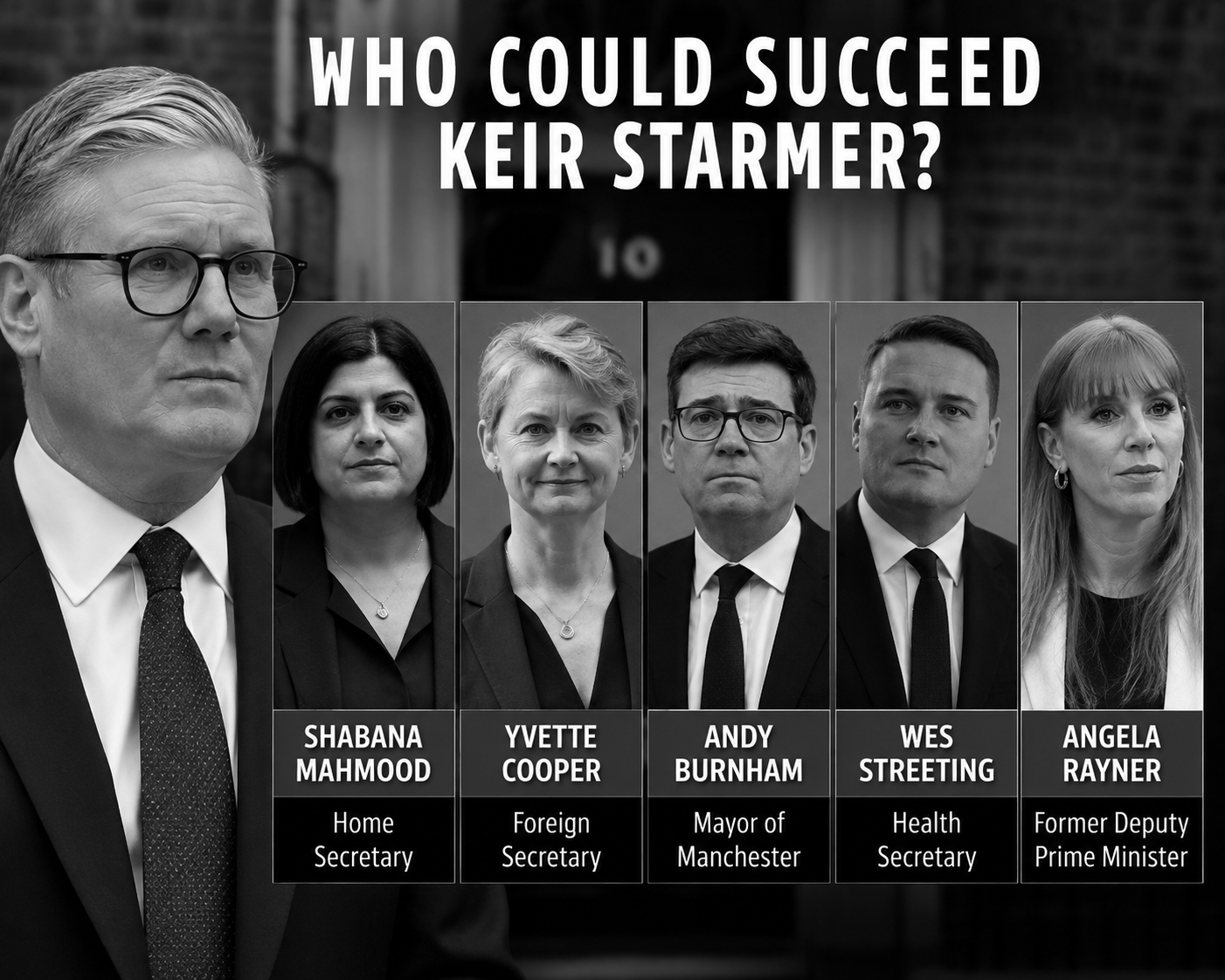
Speculation over Starmer’s future has also drawn in senior figures. Reports suggest some ministers, including Shabana Mahmood , Yvette Cooper , David Lammy , and John Healey , have expressed concerns or support for an eventual transition.
Potential successors being discussed include Manchester Mayor Andy Burnham , Health Secretary Wes Streeting , and former Deputy Prime Minister Angela Rayner , with timing seen as crucial to their prospects.
Despite mounting unrest, Cabinet ministers including Steve Reed and Liz Kendall stressed that no formal leadership challenge has been triggered and the government will continue its work.
Starmer has acknowledged internal criticism but said he would “prove doubters wrong.” However, with resignations and behind-the-scenes manoeuvring increasing, pressure is mounting on him to define his leadership path more clearly.