
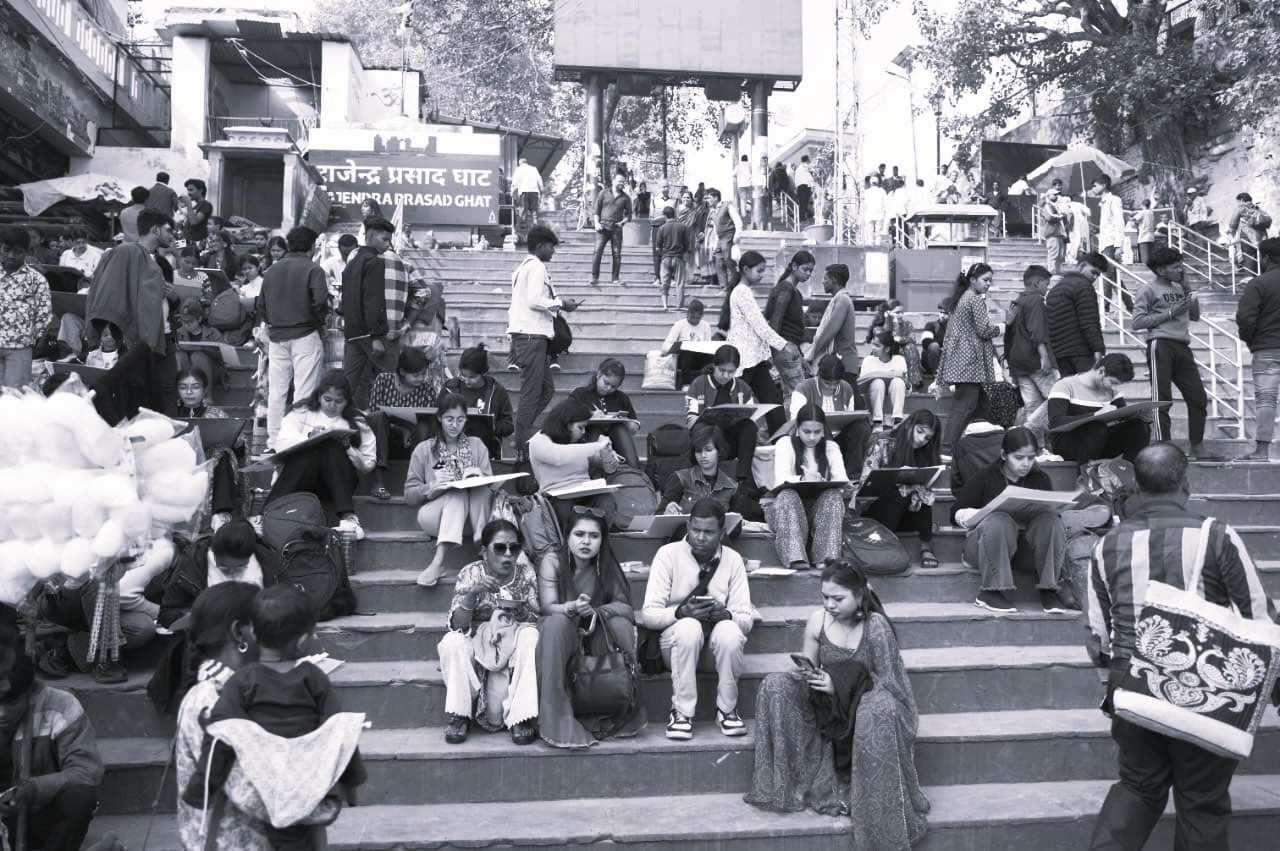
Kashi Tamil Sangamam: Cultural exchange becomes a catalyst for creative education
The Government of India, through initiatives like the Kashi Tamil Sangamam, is adopting a multifaceted approach to spread awareness about education by integrating cultural, historical, and artistic elements into the learning process. These efforts fall under larger national strategies such as the National Education Policy (NEP) 2020 and the “Ek Bharat Shrestha Bharat” campaign, both of which emphasize holistic learning, cultural exchange, and community participation. Kashi Tamil Sangamam, in particular, serves as a platform to highlight the educational and cultural ties between Tamil Nadu and Varanasi, creating an environment where learning extends beyond academics to include the understanding and appreciation of diverse heritage. Events bring together students, scholars, and practitioners for workshops, seminars, and interactive sessions that explore historical texts, languages, and cultural practices, thereby expanding the educational horizons of participants.
A key feature of the initiative is the active involvement of students, who experience education in a more immersive and participatory manner. The departure of the first student batch from Tamil Nadu to Kashi in November 2025, as part of the fourth edition of the program, reflects this focus on experiential learning. These students are not passive learners but active participants in a cultural and educational exchange. Activities such as painting along the Kashi river banks creatively engage them and allow them to express their understanding of the region’s history and culture. This hands-on involvement deepens their connection to the educational content and aligns with NEP 2020’s emphasis on art-integrated learning, which promotes creativity, critical thinking, and multidisciplinary engagement.
The act of painting on the riverbanks acts as a powerful educational tool, combining visual arts with cultural and historical understanding. Students research the significance of the Ganga River and Kashi, interpret their findings, and depict them in their artwork, thereby fostering a sense of ownership over cultural heritage. By displaying these artworks in a public space, the initiative ensures that the educational narrative reaches a wider audience, including locals and tourists. This not only spreads awareness about the cultural and educational themes of the program but also inspires other institutions to adopt similar creative approaches, amplifying the initiative’s impact.
In the long run, programs like Kashi Tamil Sangamam are intended to leave a lasting educational imprint. By exposing students to diverse cultural contexts, the government aims to nurture a generation that values inclusivity, heritage, and interdisciplinary learning. The experiences gained through such initiatives often continue to influence educational curricula and community engagement efforts, ensuring that awareness and appreciation of cultural education endure. The initiative also aligns closely with national policies such as the NEP 2020, which advocates for the integration of Indian knowledge systems into mainstream education, and Ek Bharat Shrestha Bharat, which seeks to strengthen inter-state cultural understanding. Through these creative, interactive, and culturally grounded efforts, the government effectively turns education into a vibrant expression of India’s unity in diversity.