
Karnataka urges Centre to allow Almatti Dam height increase
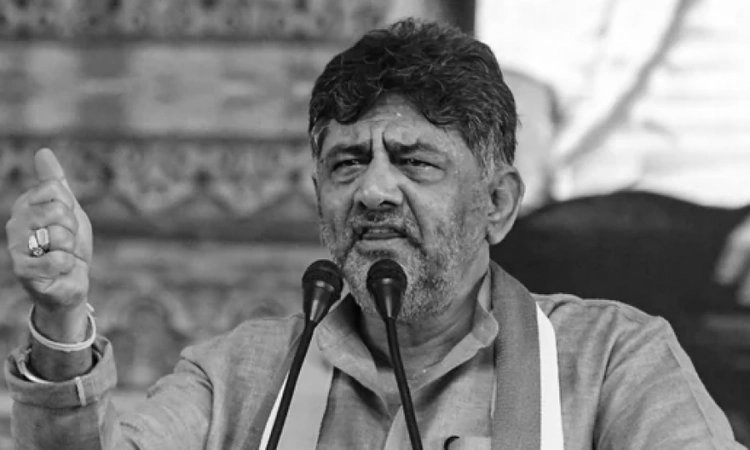
D. K. Shivakumar on Tuesday urged the Centre to allow Karnataka to increase the height of the Almatti Dam across the Krishna River, even as neighbouring states continue to oppose the proposal.
Speaking to reporters, Shivakumar, who also holds the water resources portfolio, said the state plans to raise the dam height from 519 metres to 524 metres and will soon lead an all-party delegation to New Delhi to press the Centre for approval.
The move has drawn objections from Andhra Pradesh, Telangana and Maharashtra over concerns related to downstream water availability and submergence. According to Shivakumar, the Andhra Pradesh government has written to the Centre asking it not to grant approval or issue a gazette notification allowing Karnataka to acquire land for the project, arguing that the matter is currently pending before the Supreme Court .
Shivakumar said the Union Water Resources Secretary has sought Karnataka’s response to the objection, which the state will submit after consulting legal experts. He also expressed surprise at the stance of N. Chandrababu Naidu, saying he expected a more balanced approach from an experienced leader.
The Karnataka government maintains that the Krishna Water Disputes Tribunal II award permitted the dam height to be raised to 524 metres and that there is no stay from the Supreme Court on implementing the decision.
Telangana has also raised concerns in the past, arguing that increasing the dam height could affect downstream irrigation projects and water flows in the state.
Shivakumar said the Karnataka cabinet had already approved acquisition of 1.33 lakh acres of land for the project in September 2025 and planned to allocate ₹70,000 crore for land acquisition in phases. Around ₹20,000 crore has already been spent , he added.
Warning that further delays would escalate compensation costs, Shivakumar urged Karnataka MPs to press the Centre during the upcoming Parliament session beginning March 10 . He also appealed to neighbouring states not to obstruct the project, asserting that the development concerns “our water and our land.”