
Karnataka Rejects Western Ghats Eco-Sensitive Zone Plan, Special Assembly Session on Cards
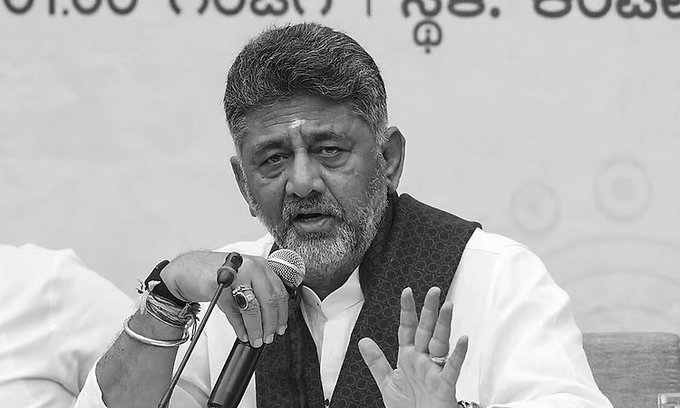
Karnataka has opened a fresh confrontation with the Centre over the future of the Western Ghats, with Chief Minister D K Shivakumar making it clear that the state will not accept the proposed Eco-Sensitive Area notification in its present form.
The Centre's latest draft, based on the recommendations of the Kasturirangan Committee, proposes to bring 20,668 sq km of Karnataka under the Eco-Sensitive Area framework. The proposal covers 1,449 villages across 10 districts, raising concerns over the future of farming, mining, quarrying, construction, infrastructure and other economic activities in the region.
The dispute, however, is not simply about choosing between development and environmental protection. Declaring an area an Eco-Sensitive Area would not mean that residents lose their land or that farming automatically stops. Agriculture, plantations and existing settlements can continue. But certain activities considered environmentally damaging, including new mining, quarrying and sand mining, would face a ban, while existing operations could eventually be phased out under the proposed framework.
That could have consequences beyond mine owners. Workers at mines and quarries, truck drivers, machinery operators, loading labourers, crusher units, mechanics and small businesses linked to these activities could all be affected. Yet the scale of the potential employment impact remains unclear, as there is no publicly available consolidated figure showing exactly how many existing mines and quarries fall within Karnataka's proposed ESA boundaries.
Shivakumar has argued that the notification could also create difficulties for farmers, housing, roads, tourism and future development. The state plans to consult experts and residents of affected areas, submit formal objections to the Centre and convene a special one-day Assembly session to pass a resolution.
Karnataka's broader argument is for a more scientific and locally tailored approach. Rather than imposing uniform restrictions across large areas containing forests, villages, farms and plantations, the state is likely to push for precise zoning that provides stronger protection to ecologically fragile forests, wildlife habitats, watersheds and biodiversity-rich areas while allowing regulated economic activity elsewhere.
However, Karnataka has yet to publicly present a detailed alternative map showing exactly which areas should receive the highest protection and where mining or development could continue.