
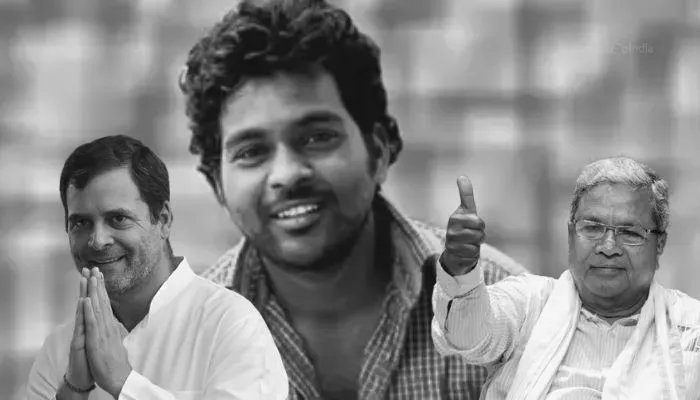
Karnataka Cabinet Clears Rohith Vemula Bill, Aims to Ensure Student Dignity and Justice
The Karnataka Cabinet has approved the Rohith Vemula Bill , marking a significant step toward addressing caste-based discrimination in higher education . Named after Rohith Vemula, whose death in 2016 triggered nationwide protests, the legislation reflects a broader recognition that institutional bias and social exclusion remain persistent challenges across universities in India. Although the incident occurred outside the state, the Karnataka government has framed the issue as a national concern , aiming to ensure dignity , equality, and accountability within academic spaces.
The proposed law introduces a structured mechanism to tackle discrimination through Equity Committees in institutions, recognition of direct , indirect , and systemic discrimination, and provisions for compensation up to ₹1 lakh for affected students. It also prescribes penalties , including imprisonment and fines for those found guilty, while holding institutions accountable for lapses. By shifting responsibility onto universities, the Bill seeks to move from a reactive approach to a more preventive framework , ensuring quicker grievance redressal and institutional oversight.
The need for such legislation has been widely debated, as existing legal frameworks often fail to capture the subtle and systemic nature of discrimination within campuses. Supporters argue that the Bill fills a critical gap by creating accessible mechanisms for students, while reinforcing the principles of social justice and equal opportunity. However, critics have raised concerns over vague definitions , particularly around indirect discrimination, warning that it may lead to ambiguity in enforcement. Others point to the risk of misuse , potential over-criminalisation, and its possible impact on academic autonomy and open dialogue.
Despite the criticism, the Bill is being seen as a pioneering effort that could influence broader policy reforms beyond Karnataka. Its success will depend on careful implementation, clear safeguards, and maintaining a balance between ensuring justice for marginalized communities and preserving institutional independence. As debates continue, the legislation stands as a bold attempt to reshape how discrimination in education is addressed in India.