
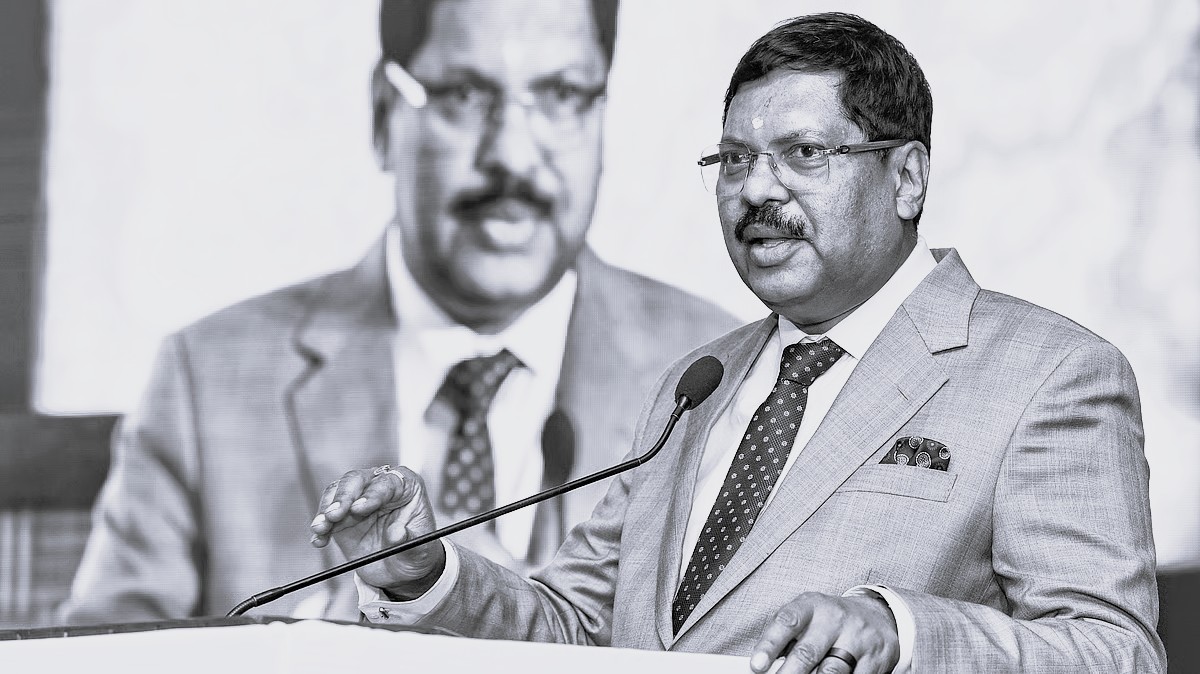
Justice isn’t delivered by judges alone, says CJI Gavai
In an emotional and dignified farewell, Chief Justice of India BR Gavai emphasised that the strength of the judiciary lies not just in its judges but in the entire ecosystem that supports them. Speaking at his farewell ceremony organised by the Supreme Court Advocates-On-Record Association (SCAORA), CJI Gavai highlighted that decision-making in the Supreme Court is a collective effort involving judges, the bar, the registry, and every staff member who works diligently behind the scenes.
Strong Institutional Message
CJI Gavai underscored the importance of recognising the unseen contributors in the judicial process. “People only see the judges after a judgment is delivered, but it is not only the judgesit is the entire Supreme Court, the bar, the registry, and the staff that go into decision-making,” he said. He urged that both the Supreme Court Bar Association and SCAORA must always be consulted and taken on board regarding any issues concerning the bar. His remarks reflected a call for collaborative functioning within the judiciary, stressing that the institution thrives only when all stakeholders work together with mutual respect.
Final Working Day as CJI
The speech was delivered ahead of his last working day on November 20. Although he officially retires on November 23, November 20 marked his final day in office as the court remains closed on weekends. Justice Gavai was sworn in as the 52nd Chief Justice of India on May 14, 2025. His tenure lasted nearly six months, concluding a judicial career spanning over six and a half years at the Supreme Court. Before stepping down, he recommended Justice Surya Kant to be the next Chief Justice of India.
Personal Reflections on Faith and Values
CJI Gavai also shared personal reflections about his upbringing and beliefs. Though he practices Buddhism, he described himself as a truly secular individual who respects all religions be it Hinduism, Sikhism, Islam, or others. He said that his secular values were deeply influenced by his father, who was an erudite follower of Dr Bhimrao Ambedkar. He recalled accompanying his father to various places during political functions. If someone suggested visiting a Dargah or a Gurudwara, his father never hesitated. “I’ve been brought up that way to respect all religions,” he said.
These remarks showcased not only his judicial philosophy but also his human approach to leadership and justice built on inclusivity, humility, and secular ethics.
Legacy of Leadership
Throughout his tenure, CJI Gavai was known for advocating transparency, institutional integrity, and accessibility in the justice system. His farewell speech reinforced the belief that justice is not the work of individuals alone but the outcome of a cohesive institutional mechanism. By acknowledging every contributor from judges to clerical staff he sent a powerful message about teamwork and respect within the judiciary.
As Justice BR Gavai exits the highest judicial office, he leaves behind a reminder: the Supreme Court is not just a seat of power it is a collective force dedicated to upholding the rule of law and the spirit of the Constitution.
As a judge and later as Chief Justice of India, BR Gavai participated in judgments that influenced both legal thinking and public policy. The following judgments stand out as milestones: Bulldozer Demolitions Verdict, Electoral Bonds Scheme, Abrogation of Article 370, Demonetisation Verdict, Reservation Sub-Classification within SC/ST, Unstamped Arbitration Agreements, Prashant Bhushan Contempt Case.