
Justice eludes women as questions persist in Ankita Bhandari murder case
More than three years after 19-year-old Ankita Bhandari was murdered in Uttarakhand, the case continues to haunt the public conscience, underscoring a deeper crisis in the delivery of justice for women in India. While three men have been convicted and sentenced to life imprisonment, persistent unanswered questions, fresh political allegations and the absence of transparency have left many unconvinced that full justice has been done.
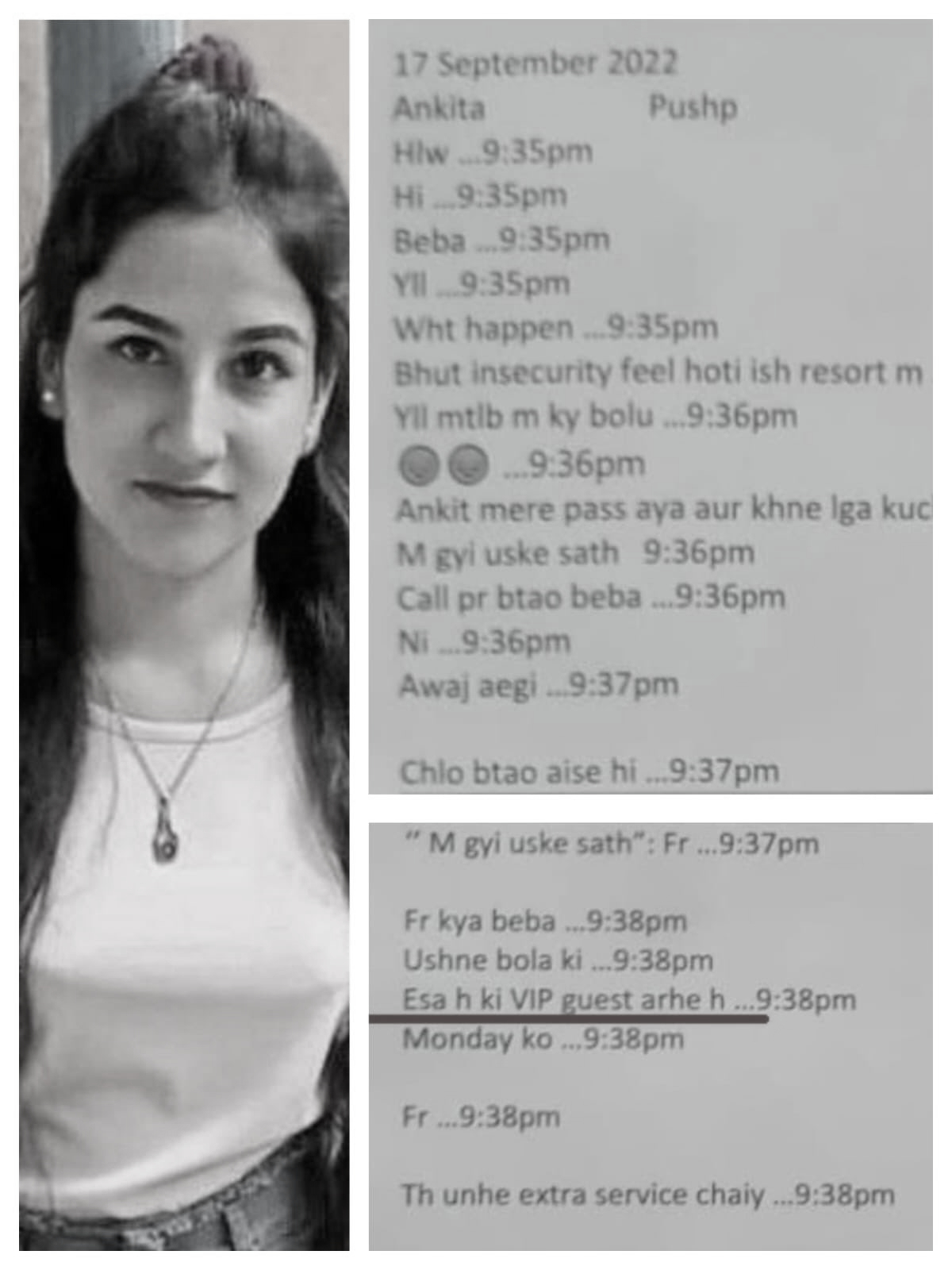
Ankita, a receptionist at the Vanantra Resort in Pauri district, went missing on September 18, 2022. Six days later, her body was recovered from a canal. Investigators later alleged that she was pressured by the resort management to provide “special services” to guests, an offer she reportedly refused. Following an argument, Ankita was allegedly pushed into the canal by resort owner Pulkit Arya son of a former BJP leader and two employees, leading to her death.
The brutality of the crime, combined with the political connections of the main accused, triggered massive protests across Uttarakhand and beyond. Public anger intensified after the state government demolished the resort shortly after the murder, raising concerns about destruction of crucial evidence.
Although a Special Investigation Team (SIT) later charged the accused and a court sentenced them to life imprisonment, doubts over the investigation have never fully faded. Central to the controversy is the long-running claim that Ankita was being pressured to entertain a “VIP”. Over the years, speculation about the identity of this alleged VIP has fuelled mistrust, with critics accusing authorities of shielding influential individuals.
The controversy resurfaced recently after videos and audio recordings circulated online alleging the involvement of a senior political figure. Uttarakhand Police have firmly denied these claims, with Haridwar SP (Rural) Shekhar Suyal stating that no “VIP” was found to be involved during the investigation. Police clarified that a man whose name appeared during questioning was merely a friend of Ankita and not a high-profile individual. The state government has said it is open to any further probe, including a CBI investigation, if credible evidence is produced.
Despite these assurances, opposition parties and civil society groups argue that the case reflects a larger pattern in crimes against women where convictions may come, but the truth remains fragmented. Activists point out that early delays, lack of transparency, and the unresolved “VIP” angle have eroded public trust.
For many, Ankita Bhandari’s case is no longer just about one crime. It has become a symbol of how women, particularly those without power or privilege, remain vulnerable in workplaces controlled by influential men, and how justice often appears selective and incomplete.
As fresh allegations surface and protests continue, the case stands as a stark reminder that punishment alone does not guarantee justice especially when critical questions remain unanswered. Until accountability is absolute and investigations inspire confidence, the demand for justice for women like Ankita Bhandari is unlikely to fade.