
Just 1.6 Km From a Marine Sanctuary, Gujarat Mining Project Gets Green Clearance Near Gulf of Kutch
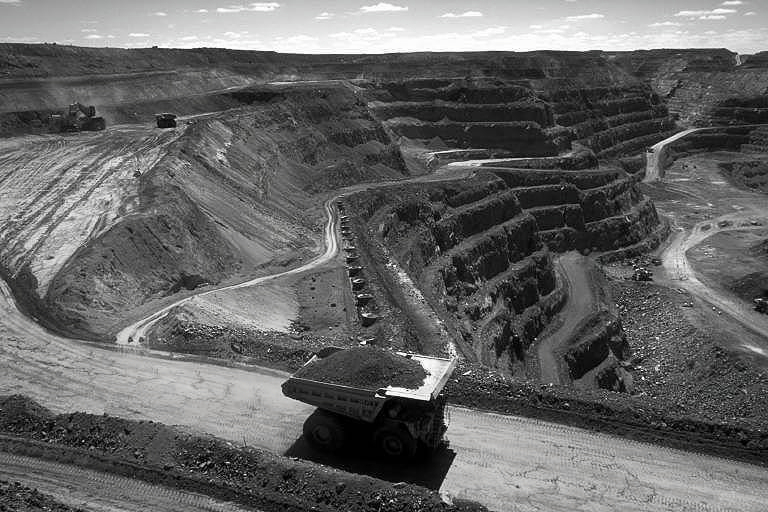
A bauxite and marl mining project in Gujarat’s Devbhumi Dwarka district has moved closer to implementation after the Expert Appraisal Committee (EAC) of the Union Environment Ministry recommended environmental clearance. The project has drawn attention because the proposed mine is about 1.6 km from India’s first marine wildlife sanctuary and around six km from the Marine National Park in the Gulf of Kachchh.
The proposed mining site at the Mevasa Block covers more than five hectares. The minerals are naturally present there, meaning the project involves extracting an existing deposit. Government records show the Mevasa mineral block was auctioned in 2023, with L&S Company emerging as the preferred bidder. However, winning the auction does not provide an unconditional right to mine; the company must obtain and comply with required environmental and other statutory approvals.
This raises an important question: were alternative mineral deposits with lower environmental risks considered before Mevasa was selected? Publicly available clearance documents do not establish that a formal comparison of alternative deposits was undertaken. That does not prove alternatives were ignored, but it leaves a legitimate question about how ecological sensitivity was weighed against mineral extraction.
The concern is significant because the nearby protected ecosystem is exceptionally rich. The Marine Wildlife Sanctuary, established in 1980, covers about 458 sq km, while the Marine National Park, created in 1982, spans about 168 sq km. It supports more than 49 hard coral species, 23 soft coral species, 421 fish species, 172 bird species, six mangrove species and three sea turtle species.
The project's EIA argues that the distance between the mine and protected areas provides a natural physical barrier, with impacts expected to remain local.
But distance does not automatically eliminate environmental risk. Mining can generate dust, noise, soil erosion, waste and runoff. Rainwater moving through excavated areas could carry sediment towards coastal waters, potentially affecting coral reefs and mangroves.
The EAC has imposed conditions, including a wildlife conservation plan and measures to reduce wildlife disturbance and human-animal conflict.
Ultimately, the real test will be monitoring and enforcement after mining begins. The clearance does not mean zero environmental impact; it means mining has been considered permissible subject to safeguards. Whether those safeguards work will determine if mineral extraction can coexist with the fragile Gulf of Kachchh ecosystem.