
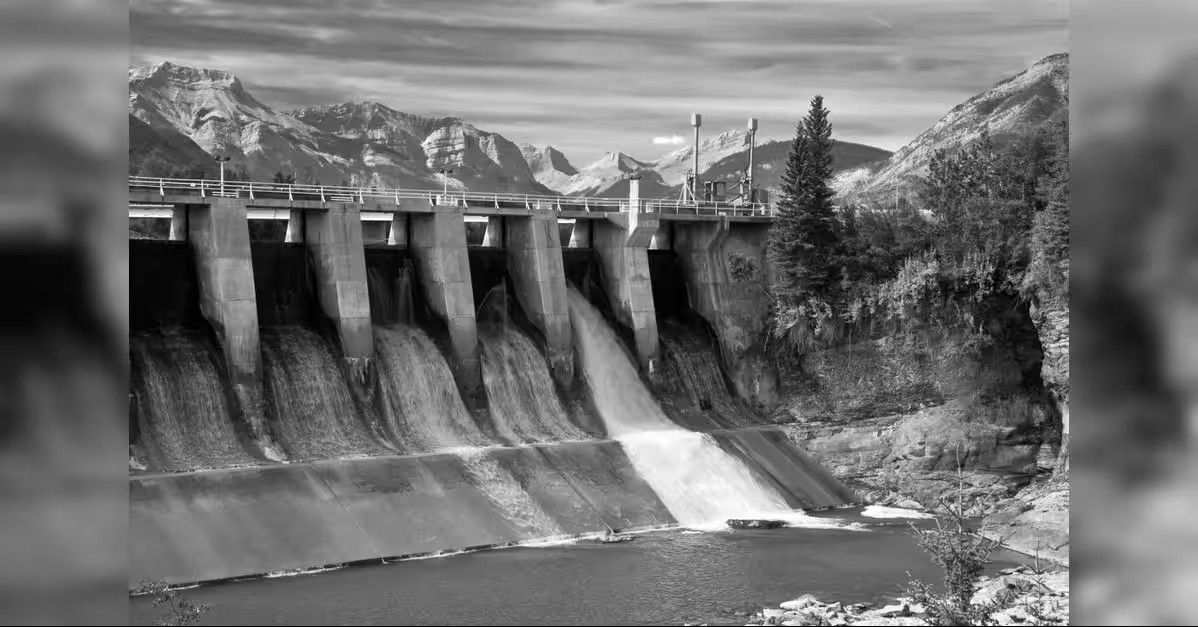
J&K’s Hydropower Expansion: Why Delays, Clearances and Transmission Could Hold Back the 2035 Goal
Jammu and Kashmir’s ambitious plan to raise hydropower capacity to nearly 11,000 MW by 2035 faces significant execution, environmental and infrastructure challenges. The Union Territory has 3,540.15 MW installed, meaning the roadmap requires capacity to more than triple within nine years.
Project delays remain a major concern. Four key Chenab Basin projects—Pakal Dul, Kiru, Kwar and Ratle—were reported in July 2026 to face a combined ₹5,737-crore cost overrun and an average delay of about 3.5 years. Pakal Dul alone has faced a prolonged schedule, while delays in early projects could disrupt the phased capacity-addition plan.
The projects involve difficult Himalayan terrain, including tunnels, underground powerhouses, dams and construction sites. Landslides, geological uncertainties, harsh weather and difficult access can increase costs and slow construction.
Environmental concerns present another challenge. Large hydropower projects can require forest diversion, tree felling and changes to river ecosystems, while also raising concerns over biodiversity, sediment flows and impacts on local communities. Environmental clearances and mitigation requirements can therefore affect project timelines.
Land acquisition, rehabilitation and resettlement can create additional delays where communities or affected landowners raise objections. Ensuring compensation and consultation will be important as construction expands.
Transmission infrastructure is an equally critical bottleneck. New generating capacity is useful only if electricity can be evacuated efficiently to consumers and the grid. The transmission scheme for evacuating power from the 850-MW Rattle and 624-MW Kiru projects had achieved only 1.7% physical progress by July 2026, despite a targeted completion date of June 2027.
Operational risks could also affect output. Recent shutdowns of Baglihar Stage-I and Salal for silt-flushing caused power shortages, highlighting the vulnerability of hydropower assets to sediment accumulation. Extreme rainfall, floods and landslides could pose further risks.
Finally, financing, contractor capacity and engineering resources will be crucial. The success of the 2035 target will depend on controlling costs, accelerating construction, strengthening transmission and balancing development with environmental safeguards. If these bottlenecks persist, commissioning schedules could slip, making the 10,969.65-MW goal harder to achieve.