
J&K Administration Reviews Key Bottlenecks to Expedite Jhelum Water Transport Project
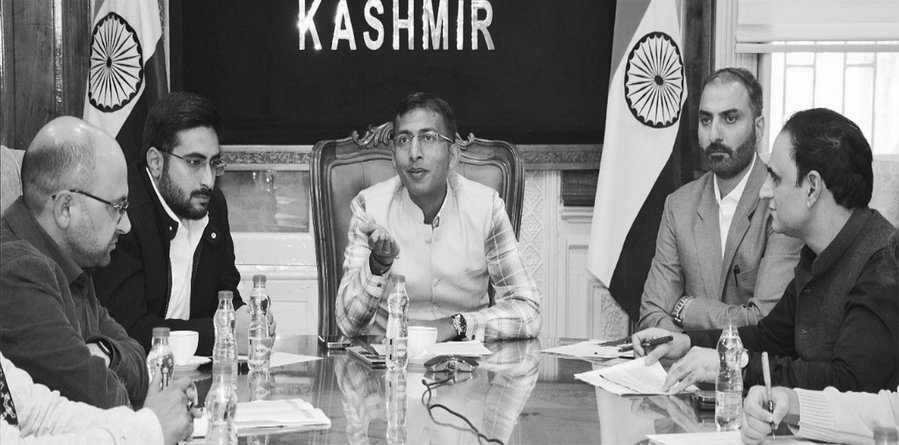
The Jammu and Kashmir administration is stepping up efforts to accelerate the Jhelum Water Transport Project, with Kashmir Divisional Commissioner Anshul Garg reviewing several pending infrastructure issues on Wednesday, including road widening, shifting of electrical utilities and houseboats, and disposal of treated wastewater.
The meeting was convened to assess the bottlenecks affecting the project being implemented by the Inland Waterways Authority of India (IWAI) and ensure coordinated efforts among various departments for its timely execution, an official spokesperson said.
Garg reviewed several infrastructure-related challenges requiring urgent intervention, including road widening and tree removal at Gund Parang, disposal of treated wastewater, and the provision of electricity connections and water supply at eight identified locations to support water transport operations.
He also assessed the progress of shifting electrical utilities at Maharaj Gunj and Pantha Chowk, emphasising the need to complete the work without further delays.
The meeting also discussed the development and improvement of approach roads at Sumbal and Sangam, removal of barricading at Amira Kadal, and relocation of houseboats wherever necessary to ensure smooth movement and operation of water transport facilities along the river.
Other issues included the renovation of the Chattabal Navigational Lock and relocation of stone-chiselling units and dress vendors operating at Pantha Chowk to prevent obstruction to the project's progress.
The meeting was attended by the Commissioner of Srinagar Municipal Corporation, Deputy Commissioners of Srinagar and Bandipora, Regional Transport Officer Kashmir, IWAI representatives and officials from the Public Health Engineering, Irrigation and Flood Control, and Urban Environmental Engineering departments.
Taking stock of the progress, Garg issued directions to the concerned departments to resolve pending issues on priority. He stressed the importance of inter-departmental coordination and called for a result-oriented approach to remove the identified bottlenecks within the shortest possible time.